No products in the cart.
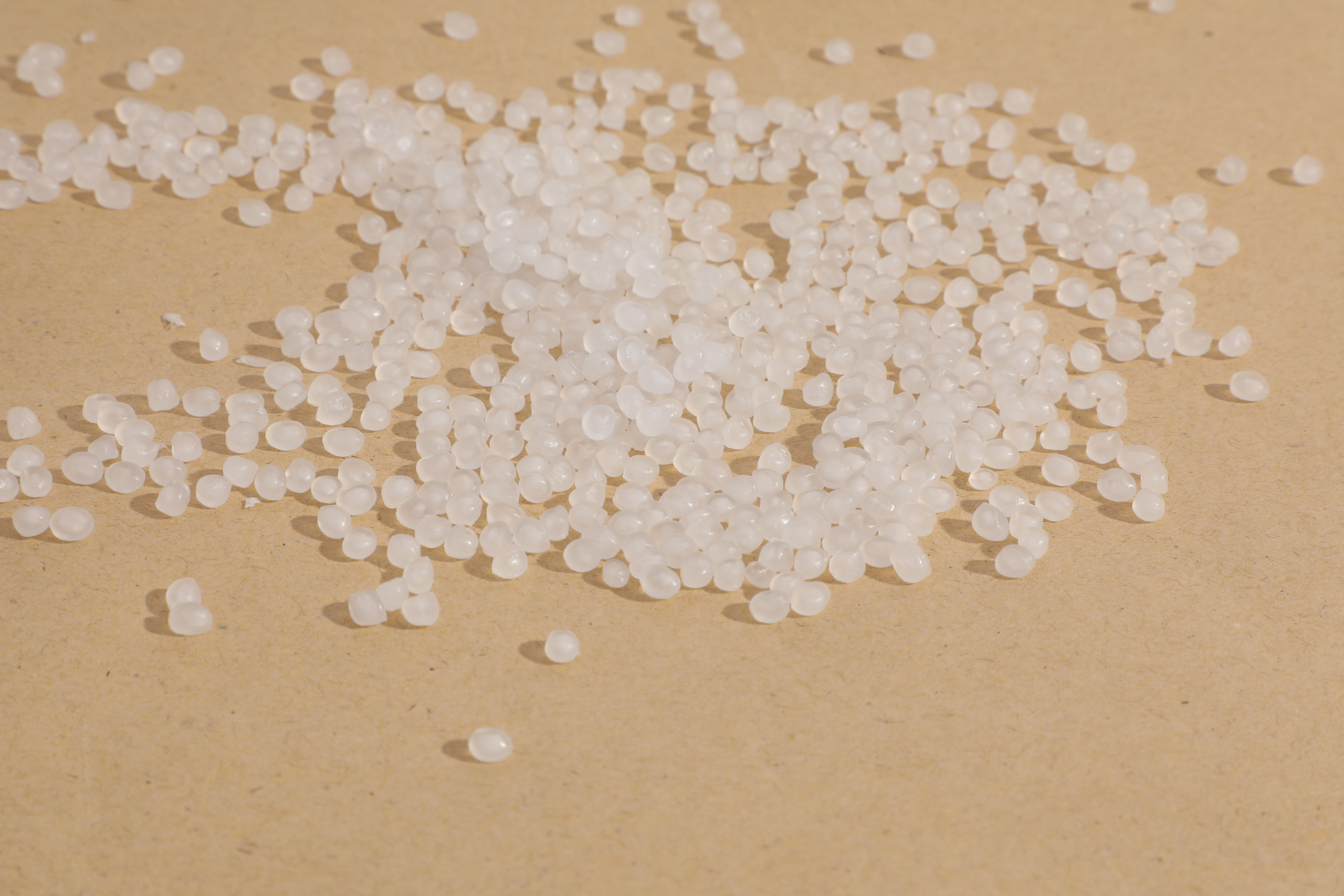
Before we reach for a glue bottle, we need to understand why PP resists bonding so aggressively. The answer lies in surface energy, a concept borrowed from physics that describes how willing a solid surface is to be “wetted” by a liquid.
High surface energy materials (like metals, glass, and many engineering plastics) allow adhesives to spread evenly and form strong mechanical or chemical bonds. Think of water beading on a clean glass surface versus spreading flat on a greasy one.
PP is a low surface energy (LSE) material. Its surface energy typically ranges between 29–31 dynes/cm. Most common cyanoacrylates (super glues) and epoxies require a surface energy of at least 38–40 dynes/cm to wet the surface properly. The result? The adhesive “beads up” instead of spreading, forming a weak, discontinuous layer that cannot grip the PP molecules.
This is not a defect in the PP; it is an inherent property of its non-polar molecular structure. Polypropylene is a hydrocarbon polymer with no polar functional groups (like -OH or -COOH) on its backbone. Without these reactive sites, conventional adhesives have nothing to chemically “hold onto.” The bond is purely mechanical—and on a smooth, low-energy surface, that is rarely enough.
Walk into any hardware store and you will find “plastic glues” labeled as “for PP.” Most of these fall into two categories:
Cyanoacrylate-based “super glues” with a primer. The primer is typically a volatile solvent that lightly etches or swells the PP surface, creating temporary roughness. The cyanoacrylate then cures quickly. Result: The bond is brittle, degrades under UV or heat, and often fails within weeks, especially under mechanical stress or temperature cycling.
Two-part epoxy systems with “plastic bonder” claims. These rely on a reactive hardener that is supposed to penetrate the PP surface. Result: The adhesion is better than CA glue, but still poor on pure, untreated PP. The bond strength is often insufficient for load-bearing applications, and the long cure time (often 24+ hours) is impractical for quick repairs.
The most effective tool-free approach to bonding PP is not about the glue itself—it is about surface preparation with a common household solvent. The trick is to use a solvent that swells the PP surface microscopically, creating a “scratch” pattern at the molecular level. Isopropyl alcohol (rubbing alcohol) is too mild; acetone works better but evaporates too quickly. The practical answer is xylene or toluene, which are available in hardware stores as paint thinners. Follow these steps:Clean the PP surface thoroughly with isopropyl alcohol to remove grease.
Apply a thin coat of xylene to both surfaces using a cotton swab. Wait 30–60 seconds for the solvent to swell the plastic.
Apply a high-strength cyanoacrylate (not general-purpose gel, but a “low-viscosity” liquid) immediately onto the swollen surface.
Clamp the parts firmly for at least 2 minutes.
Why it works: The xylene temporarily disrupts the non-polar PP surface, creating microscopic porous channels. The low-viscosity cyanoacrylate wicks into these channels and polymerizes, forming a mechanical interlock that is far stronger than a surface-only bond.
Limitation: This method works for small repairs (like a broken PP chair leg) but is not reliable for parts exposed to sustained temperatures above 60°C, constant moisture, or chemical attack. For those applications, you need a different class of material entirely—which brings us to the world of high-performance engineering thermoplastics.
While PP is the poster child for difficult bonding, it is far from the only material that demands special handling. The aerospace, automotive, electronics, and medical device industries routinely work with high-temperature engineering plastics that have even lower surface energy, higher stiffness, and vastly superior thermal stability.
One material in particular—polyetherimide (PEI)—has emerged as the go-to replacement for metals and other conventional plastics in applications where bonding reliability is non-negotiable.
PEI resins (sold commercially as SABIC Ultem™, and available as cost-effective alternatives like Valiant PEI from CISKO New Material) possess a unique combination of properties:
Inherent flame retardancy: UL94 V-0 at thicknesses as low as 0.25 mm—without halogenated additives. This is a huge advantage for aerospace and electronics, where fire safety regulations are strict.
Continuous use temperature up to 170°C: PP starts softening at around 100°C; PEI maintains structural integrity well above 200°C.
Excellent electrical insulation: Stable dielectric constant across 5G frequencies (1–10 GHz), making it ideal for high-frequency connectors and antenna housings.
But here is the bonding secret: Unlike PP, PEI has a surface energy of approximately 45–50 dynes/cm—well within the wettability range of common structural adhesives (epoxies, acrylics, polyurethanes). This means you can bond PEI with the same two-part epoxies and acrylics that work on metals and polycarbonate, without any special surface treatment or primer.
Consider a real-world case from the aerospace industry. A European tier-1 supplier needed to replace a CNC-machined aluminum seat mounting bracket with a lighter, injection-molded alternative. The new part had to pass the FAR 25.853 vertical burn test (12-second self-extinguishing), maintain structural integrity under repeated loading, and achieve at least 40% weight reduction without increasing unit cost.
The solution was Ultem™ PEI 2300-7301 (30% glass fiber reinforced polyetherimide), supplied through CISKO New Material. The bracket was injection-molded, then bonded to a metal insert using a standard structural epoxy. No special tools, no surface treatment, no primer.
Key performance data from that application:
Tensile strength: 175 MPa (equivalent to some aluminum alloys)
HDT: 210°C at 1.82 MPa—well above any PP-based alternative
Bond strength: The epoxy (standard 3M DP420) achieved lap shear strength of 18–22 MPa on the PEI surface, compared to less than 2 MPa on untreated PP
Weight reduction: 45% versus the original aluminum bracket.
This is not a theoretical exercise; it is a commercially applied solution in one of the most regulated industries on earth. The takeaway: If you need a bond that can handle heat, fire, and mechanical load, you should not be fighting with PP. You should be designing with PEI.
Let’s be honest: sometimes you cannot avoid PP. It is everywhere—from automotive coolant overflow tanks to outdoor furniture. Here is a no-nonsense, tool-free workflow that maximizes your chances of success:
Is the part PP? Drop a small piece in water. PP floats (density ~0.9 g/cm³). Most engineering plastics sink.
Is the part exposed to heat above 80°C? If yes, PP is probably the wrong material for the application. Consider redesigning with PEI or PSU.
Is the part exposed to hydrocarbons (gasoline, oil, solvents)? PP is resistant to many, but the swelling effect will destroy any adhesive bond over time. Use a mechanically fastened design or upgrade to a fluoropolymer.
Required items: Isopropyl alcohol (70% or higher), xylene or toluene paint thinner, clean cotton cloths, a small brush or cotton swab, and a hair dryer (optional).

Degrease: Wipe the PP surface thoroughly with isopropyl alcohol. Let it evaporate completely (2–3 minutes).
Swelling treatment: Apply a thin, even coat of xylene to both surfaces using a brush or swab. Do not flood the surface; just enough to wet it. Wait 45–60 seconds.
Tack-off: Blow with a hair dryer (low heat) or use a clean cloth to remove any excess solvent that has not evaporated. The surface should look slightly “frosted” or swollen.
Apply adhesive: Use a low-viscosity cyanoacrylate (Loctite 401 or similar). Apply a thin layer to one surface only.
Clamp: Press the parts together firmly. Apply pressure for at least 2 minutes. For larger assemblies, clamping for 10 minutes is recommended.
Cure: Allow 24 hours at room temperature for full cure.
What to expect: A bond that holds under light-to-moderate tensile load (2–5 MPa lap shear). Good for non-structural repairs like fixing a broken PP container lid or reattaching a PP trim piece.
If you need a PP bond that will survive 100°C, constant moisture, or dynamic loading, the tool-free method will fail. Here is your realistic alternative:
Use a two-part epoxy designed for LSE plastics (e.g., 3M DP8005 or MasterBond EP21TP). These adhesives contain special wetting agents that improve adhesion to PP.
But be prepared: Even these specialized epoxies achieve only 5–7 MPa on untreated PP, and the bond degrades above 80°C.
Honest advice: If your application demands reliability, redesign with a material that actually accepts adhesive bonding. PEI (Valiant PEI or Ultem™) is the most cost-effective upgrade.
The trend across automotive, aerospace, and industrial design is clear: replace heavy metals and low-performance plastics with lightweight, high-temperature thermoplastics that can be adhesively bonded without specialized tools or surface treatments. PEI is the material that makes this possible.
| Property | PP (Unfilled) | PEI (Unfilled/Glass-filled) |
|---|---|---|
| Surface energy (dynes/cm) | 29–31 | 45–50 |
| Bond strength (epoxy) | 2–5 MPa | 18–25 MPa |
| Continuous use temp | 80–100°C | 170°C |
| UL94 flame rating | HB (usually) | V-0 at 0.25 mm |
| Chemical resistance | Good (non-polar) | Excellent (embedded aromatic structure) |
| Cost per kg | ~$1.5–3 | ~$8–15 (Valiant PEI: lower) |
The cost gap is shrinking. With the availability of cost-effective domestic alternatives like Valiant PEI from CISKO New Material, the incremental price premium for PEI over PP is now justified by the elimination of surface treatment costs, reduced scrap rates, and longer product life.
In the 5G infrastructure boom, antenna housings and connector bodies are increasingly specified in PEI rather than PP or PVC. The reason? Electrical performance. PEI’s low and stable dielectric constant (3.0–3.2 across 1–10 GHz) minimizes signal loss in millimeter-wave frequencies. And because PEI can be bonded with standard structural adhesives, assembly lines do not need to add plasma or corona treatment steps—saving both capital and labor.
Result: Faster time-to-market, lower manufacturing complexity, and a more reliable final product.
For engineers and procurement professionals evaluating PP-to-PEI conversions, working with a distributor that understands both material science and logistics is critical. CISKO New Material supplies the full portfolio of SABIC Ultem™ PEI and their own Valiant PEI series, offering:
Complete regulatory documentation (TDS, SDS, COA, REACH, RoHS) with every batch—no more missing paperwork that slows down audits.
Expert technical support on molding parameters, adhesive selection, and bond line design—eliminating the trial-and-error phase.
Flexible inventory and short lead times, reducing the need to hold expensive safety stock.
This level of service is especially valuable for mid-size manufacturers who cannot afford the overhead of direct supplier relationships with the big resin producers (SABIC, Solvay, BASF) but still demand genuine, traceable materials.
Gluing PP plastic without special tools is possible, but it requires a specific chemistry trick (solvent swelling + low-viscosity cyanoacrylate) and comes with strict performance limits. For the vast majority of real-world applications—especially those involving heat, flame, chemical exposure, or dynamic stress—PP is simply the wrong material for adhesive bonding.
The smarter path is to select a material that inherently accepts adhesives (like PEI) and thereby eliminates the need for specialized tools, primers, or surface treatments. With cost-effective options like Valiant PEI available from specialist suppliers like CISKO New Material, the price barrier to upgrading from PP is lower than ever.
Three actionable takeaways:
For DIY repairs on household PP items: Use the xylene-swelling + cyanoacrylate method. It will work for small, low-stress fixes.
For engineered products that require bond reliability: Specify a high-surface-energy thermoplastic like PEI (Ultem™ or Valiant PEI) from your start. The elimination of surface treatment steps will simplify your assembly line.
For supply chain managers: Partner with a distributor that offers genuine materials, full documentation, and application support—not just a price list. Companies like CISKO New Material provide the technical bridge between raw resin performance and real-world assembly.
The future of plastic assembly is not about finding clever ways to trick PP into bonding. It is about designing with materials that make bonding easy—and PEI leads that evolution.
Note: Data points and case studies referenced in this article are based on published industry reports and documented application examples from CISKO New Material’s customer projects. Individual results may vary depending on specific application conditions and adhesive selection.


Leave a comment