No products in the cart.
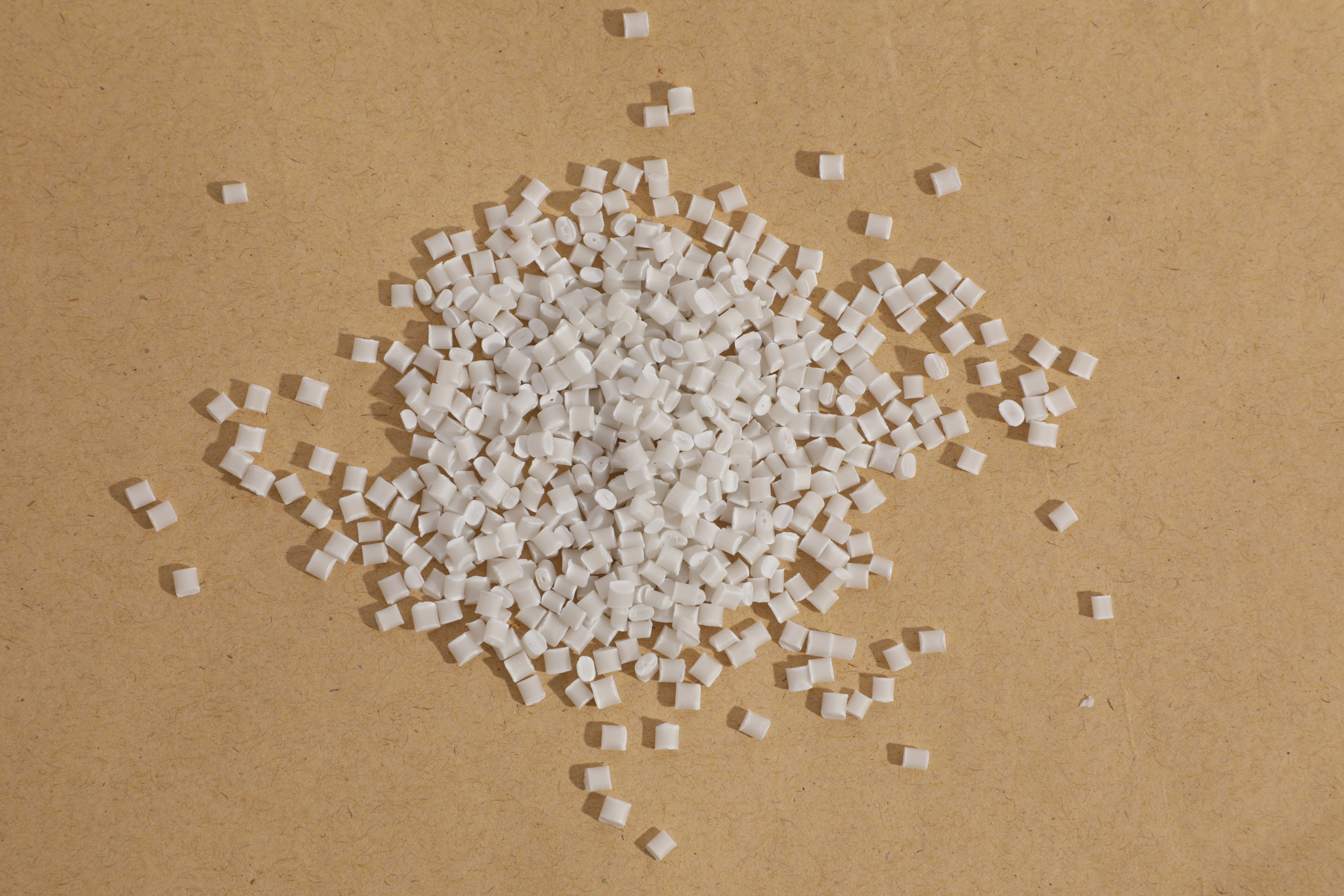

In this article, we will explore three unexpected, high-value use cases for PP T40 plastic—applications that may change how you think about material selection. We will also examine the technical properties that make these applications possible, and why partnering with a specialized engineering plastics supplier like CISKO New Material can help you unlock the full potential of this versatile compound.
Before diving into the surprising applications, it’s worth clarifying what PP T40 actually is.
Polypropylene T40 is a mineral-filled polypropylene compound containing approximately 40% by weight of talc (a soft magnesium silicate mineral). The talc particles are uniformly dispersed into a polypropylene homopolymer or copolymer matrix through a compounding process. This reinforcement dramatically changes the base material’s properties:
| Property | Unfilled PP | PP T40 (40% Talc) |
|---|---|---|
| Flexural Modulus (MPa) | ~1,200–1,600 | ~3,800–4,500 |
| Tensile Strength (MPa) | ~25–35 | ~30–38 |
| Heat Deflection Temperature (°C @ 0.45 MPa) | ~95–110 | ~130–145 |
| Dimensional Stability | Low | High (low warpage and shrinkage) |
| Surface Hardness | Soft | Semi-rigid |
The key takeaway? PP T40 offers a significant jump in stiffness and heat resistance compared to unfilled PP, while maintaining the excellent chemical resistance, low moisture absorption, and processability that polypropylene is known for. This unique combination is exactly what enables the surprising applications we are about to discuss.
At CISKO New Material, we supply high-quality PP T40 compounds under our Hanwha TotalEnergies partnership, sourced directly from the manufacturer. Every batch is certified with full TDS, COA, and REACH/RoHS compliance documentation—critical for customers who cannot afford material inconsistencies.
“Medical-grade polypropylene” might sound like a contradiction to the uninitiated. After all, polypropylene is not typically associated with the high-performance, sterilizable materials used in operating rooms. However, PP T40 is quietly gaining traction in the medical rehabilitation and assistive device market—specifically for structural components that require rigidity, impact resistance, and long-term dimensional stability at a lower cost than engineering thermoplastics like ABS, polycarbonate, or PEI.
Consider an external knee brace used for post-surgery recovery. The frame must be stiff enough to support the patient’s weight during walking, yet lightweight and comfortable for daily wear. It must also resist repeated cleaning with alcohol-based wipes and tolerate exposure to body oils and sweat without swelling or chemical degradation.
Traditionally, such braces are moulded from glass-filled nylon (PA6/6,6) or, in premium cases, polyetherimide (PEI) for its outstanding creep resistance and chemical resistance. But these materials drive up cost and processing complexity. PP T40 offers a compelling middle ground:
Adequate stiffness (4,000 MPa flexural modulus) ensures the brace does not flex excessively under load.
Excellent chemical resistance to disinfectants, alcohol, and bodily fluids—far better than ABS or PC.
Low moisture absorption (< 0.05% by weight) —no swelling or warpage after repeated cleaning, unlike nylon which can absorb up to 3% moisture and lose dimensional control.
Light weight (density ~1.24 g/cm³) —lighter than aluminium and far lighter than steel.
A leading German medical device manufacturer reportedly adopted PP T40 for the load-bearing frame of a new walking boot product. By switching from a glass-filled nylon compound to a talc-filled polypropylene T40, they achieved a 30% reduction in part cost while maintaining mechanical performance above design limits.
One often overlooked feature of PP T40 is its excellent flowability compared to glass-filled alternatives. For medical braces that require thin-wall sections (1.5 mm to 2.5 mm) for patient comfort, the high melt flow rate (typically MFR 12–35 g/10 min depending on the specific grade) allows the material to fill long, intricate cavities without excessive injection pressure. This translates to lower tool wear and faster cycle times.
For manufacturers seeking validated resin solutions in this space, CISKO New Material offers both standard PP T40 grades and custom formulations tailored to medical device requirements. As a dedicated supplier to the medical and aerospace sectors, CISKO provides complete regulatory documentation—ensuring smoother audits and faster time-to-market.
Water is polypropylene’s enemy? Not quite. While it is true that polypropylene has poor UV resistance without stabilization, its hydrolytic stability—the ability to resist chemical breakdown in the presence of moisture at elevated temperatures—is surprisingly good. PP T40, in particular, is finding unexpected use in marine and aquatic applications where traditional metals or glass-filled nylons fail.
A bilge pump sits in the lowest point of a boat hull, submerged in brackish or salt water for extended periods. The housing must withstand continuous water pressure, minor impact from floating debris, and occasional exposure to diesel fuel or engine oil. And importantly, it must not corrode.
Metals (brass, stainless steel) corrode over time. Glass-filled nylons absorb moisture, swell, and lose mechanical strength—sometimes catastrophically after months of immersion. PP T40 offers an attractive alternative:
Zero moisture absorption—mechanical properties remain stable even after years of underwater service. Laboratory immersion tests show that PP T40 retains over 95% of its flexural strength after 1,000 hours in 70°C water. Glass-filled nylon grades often lose 30–40% under the same conditions.
Excellent chemical resistance to marine fuels, hydraulic fluids, and antifouling coatings.
High stiffness for pressure containment—the 40% talc filler provides the rigidity needed to resist deformation under constant hydrostatic pressure.
Easy moulding into complex shapes—pump impellers, volutes, and end caps can be integrated without secondary machining.
A real-world example: A Taiwanese manufacturer of submersible aquaculture pumps recently replaced a glass-filled PBT housing with PP T40. The switch reduced material cost by approximately 25% and eliminated a recurring issue of housing cracking after 6 months of immersion. The talc-filled PP’s consistent modulus and lower internal stress allowed the pump to perform reliably through two full years of continuous operation.
PP T40 requires careful attention to mould temperature management and gate placement to ensure uniform shrinkage. For underwater applications, maintaining tight tolerances on seal surfaces is critical. CISKO New Material supports customers with process optimization guidance, including recommended mould temperatures (typically 40–60°C) and melt temperature windows (220–260°C) to achieve the best balance of mechanical properties and cosmetic surface finish.

“PP T40 in a smartphone?” It sounds improbable. High-end consumer electronics typically rely on polycarbonate (PC), PC/ABS blends, or even PPS (polyphenylene sulphide) and PEI (polyetherimide) for internal structural parts. But PP T40 is quietly entering this space—not as an external housing material, but as a cost-effective internal structural carrier for mid-range to premium devices.
Consider a smart speaker or a wireless earbud case. Inside, there are multiple PCB assemblies, batteries, and audio transducers that must be precisely located and held in place. The structural carrier—the plastic frame that positions these components—needs to be stiff, dimensionally stable (low creep), insulating, and non-corrosive. It must also not outgas volatile organic compounds (VOCs) that could contaminate sensitive optical or acoustic surfaces.
Why PP T40 instead of PC or ABS?
Lower dielectric constant (approximately 2.4–2.6 at 1 MHz) compared to PC (~3.0). For audio devices, this means less capacitive interference with antenna performance and signal transmission.
Better creep resistance than ABS. Over a device’s lifetime (3–5 years), the carrier must hold the battery and speaker in precise alignment without plastic deformation. PP T40’s high mineral content provides excellent creep resistance even under constant spring-loaded pressure.
Lower cost per part—often 10–20% cheaper than a comparable PC/ABS grade.
Naturally lubricious surface—allows for easy assembly of flexible cables and connectors without added lubricants or wear.
A prominent consumer electronics OEM in South Korea reportedly uses a modified PP T40 compound as the internal chassis in a popular smart speaker line. The material provides the necessary stiffness to support a 5,000 mAh battery and dual 50 mm woofers, while maintaining acoustic dampening qualities superior to glass-filled alternatives. The use of CISKO-supplied Hanwha TotalEnergies PP T40 was credited with reducing the overall BOM cost by 8% without compromising vibration resistance.
For electronics applications, warpage control is paramount. PP T40’s talc filler content inherently reduces shrinkage and anisotropy (directional shrinkage differences), but precise process control is still required. CISKO New Material provides detailed moulding guidelines and can help customers select the optimal melt flow grade (e.g., MFR 20 vs. MFR 35) to match the geometry’s wall thickness and flow length requirements.
At this point, you may be thinking, “PP T40 is a standard commodity material. Can’t I just buy it from any plastics trader?”
The short answer is: Yes and no.
While PP T40 is widely produced, there is enormous variation in talc quality, particle size distribution, dispersion quality, and base resin consistency between different producers. A poorly compounded PP T40 can cause:
Inconsistent shrinkage leading to warped parts and high scrap rates.
Poor surface finish (streaks, sinks, or “orange peel” effect).
Batch-to-batch mechanical variation—the parts that passed testing last month may fail this month.
This is where CISKO New Material differentiates itself. As the authorized distributor of Hanwha TotalEnergies PP compounds in South China, CISKO guarantees:
Direct-from-manufacturer supply – No grey-market sourcing. Every shipment has a traceable chain of custody back to a top-tier global producer (Hanwha TotalEnergies, SABIC, BASF, Victrex).
Complete documentation – TDS, SDS, COA, REACH, RoHS—every batch certified. This is critical for passing OEM audits in automotive, medical, and electronics supply chains.
Application-specific technical support – CISKO’s engineers can help you select the right PP T40 grade (e.g., heat-stabilized for underwater use, UV-stabilized for outdoor equipment, or high-flow for thin-wall electronics) and optimize your moulding parameters.

Cost-competitive pricing – By sourcing directly and maintaining in-Warehouse stock in Shenzhen, CISKO reduces lead times (often 7–14 days) and eliminates unpredictable spot-market surcharges.
CISKO also offers a complementary portfolio of high-temperature engineering plastics—including Valiant PEI, SABIC Ultem™ PEI, Victrex PEEK, and Solvay PPSU—so you can scale from standard PP applications to high-performance requirements without juggling multiple suppliers.
PP T40 plastic has come a long way from its humble roots in dashboard panels and fan blades. The three examples we explored—medical rehabilitation braces, underwater pump housings, and consumer electronics internal carriers—demonstrate that this “commodity” material can deliver genuine innovation when paired with informed material selection and proper processing.
Looking forward, we expect to see further diversification of PP T40 applications in:
5G telecommunications infrastructure – where its low dielectric loss and thermal stability (HDT up to 145°C) make it a candidate for antenna housings and RF connectors.
Electric vehicle (EV) battery components – where its electrical insulation and flame retardancy (when modified with halogen-free additives) can support busbar covers and cooling channel manifolds.
Sustainable packaging and logistics – where lightweight, reusable collapsible containers can benefit from PP T40’s high stiffness-to-weight ratio.
The key takeaway? Don’t underestimate polypropylene T40. With the right supplier and technical support, this versatile compound can solve problems in places you never imagined.
Interested in exploring PP T40 for your next project? Contact the engineering plastics specialists at CISKO New Material. Whether you need a standard grade or a custom formulated variant, they have the expertise and supply chain to help you succeed.
This article was brought to you by CISKO New Material – your trusted partner for high-performance engineering plastics, including PEI, PES, PPSU, PEEK, and Hanwha TotalEnergies PP compounds. From concept to production, we deliver quality, traceability, and performance.


Leave a comment