No products in the cart.
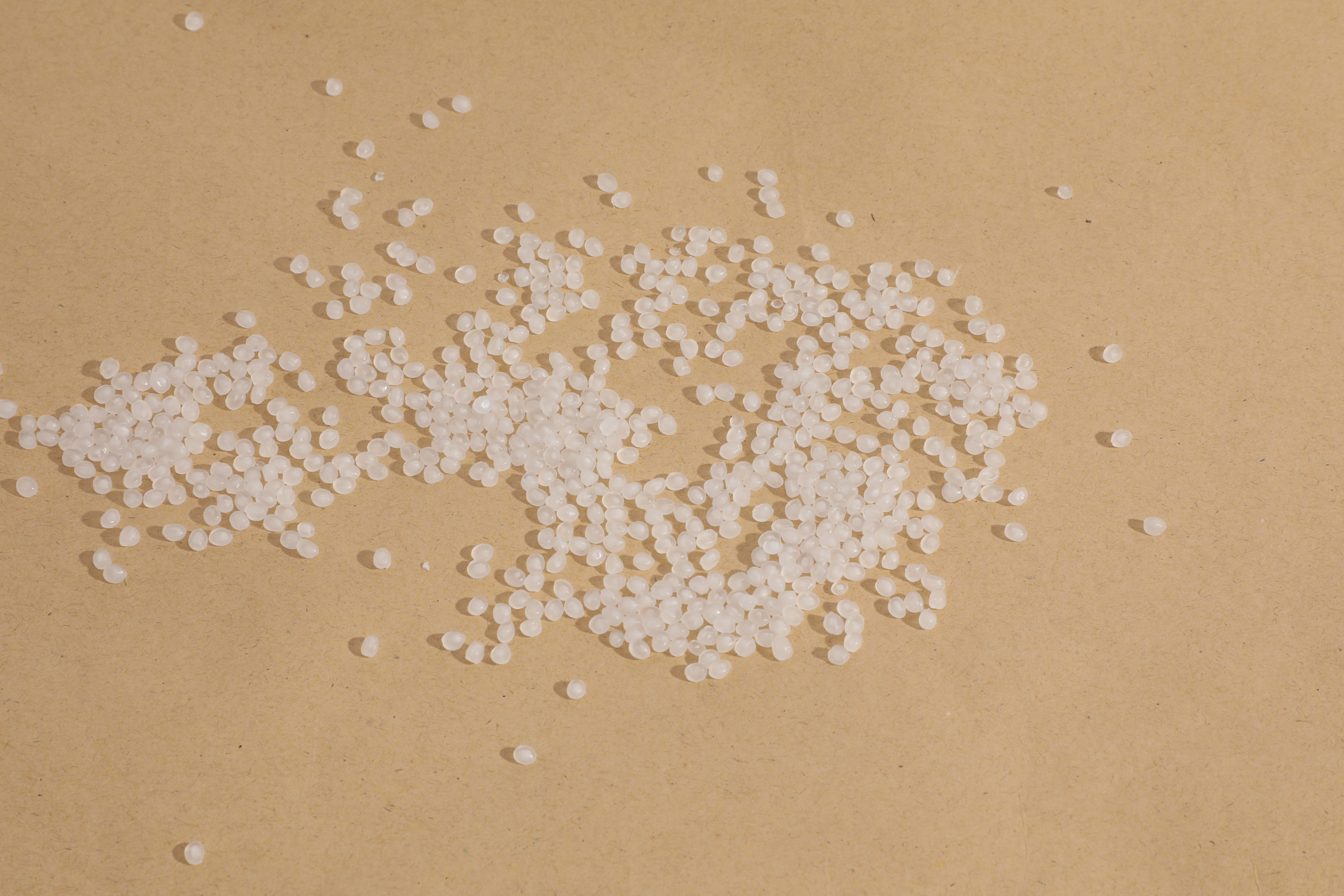

When you’re standing in front of a kitchen appliance aisle, staring at rows of pressure cookers, the last thing you probably think about is the plastic type. But here’s the uncomfortable truth: the plastic that touches your food at high pressure and high temperature is not just a packaging detail—it’s a risk factor that could affect your health, your cooking outcomes, and even your family’s safety.
The pressure cooker market has exploded globally, driven by demand for faster cooking, energy efficiency, and tender meals. Among the sea of options, PP 5 plastic pressure cookers have gained significant traction, especially from budget-friendly manufacturers. But is PP 5 safe? How does it perform under extreme conditions? And what are the real risks you need to understand before making a purchase?
This article takes a deep dive into the five critical things you should know about PP 5 plastic pressure cookers—from material science to real-world application risks. By the end, you’ll have the knowledge to make an informed decision, potentially saving yourself from costly replacements, property damage, or worse.
PP 5 is the recycling code for Polypropylene, a semi-crystalline thermoplastic polymer that belongs to the polyolefin family. It’s one of the most widely used plastics in consumer goods, food containers, and automotive components. The “5” inside the triangular recycling symbol identifies it as polypropylene.
Here’s what makes PP popular in the kitchen:
Good chemical resistance – PP resists acids, bases, and most solvents, making it compatible with acidic foods like tomatoes and vinegar-based sauces.
Reasonable temperature range – PP has a melting point around 130–170°C (266–338°F), with a continuous use temperature typically up to 100–120°C.
Low cost – PP is significantly cheaper than high-performance engineering plastics like PEI (polyetherimide) or PEEK.
Lightweight – A PP pressure cooker is much lighter than aluminum or stainless steel alternatives.
While PP is fine for boiling water or steaming vegetables, pressure cookers operate at elevated pressures that raise the boiling point of water well above 100°C. Inside a sealed pressure cooker, the internal temperature routinely reaches 115–125°C (239–257°F) . Some models with higher pressure settings can go even higher.
Now, let’s look at the data:
| Material | Continuous Use Temperature | Melting Point | Pressure Cooker Suitability |
|---|---|---|---|
| PP 5 (Polypropylene) | 100–120°C | 130–170°C | Marginal – borderline risk |
| PEI (Polyetherimide) | 170°C (RTI) | 217°C (Tg) | Excellent – built for high heat |
| PEEK | 260°C+ | 343°C | Outstanding – extreme heat |
| Stainless Steel | Unlimited | Very high | Excellent |
The reality: A PP 5 pressure cooker operates near or above its recommended continuous use temperature during every single cooking cycle. This means the plastic is constantly under thermal stress, especially at the lid seal, valve areas, and walls directly exposed to steam.
Industry reports from leading material testing laboratories indicate that repeated exposure of PP to temperatures exceeding 110°C can lead to gradual degradation, including:
Reduced impact strength
Surface cracking
Increased brittleness over time
Potential release of oligomers and additives
For CISKO NEW MATERIAL, which specializes in high-temperature engineering plastics like Valiant PEI and SABIC Ultem™, the temperature limitations of PP 5 are precisely why the company focuses on materials with scientifically proven safety margins for demanding applications.
A leading Chinese material supplier’s internal testing data shows that PP components in pressure cookers can lose up to 30% of their impact resistance after just 200 hours of simulated cooking cycles at 120°C. This is a sobering finding for anyone relying on a PP pressure cooker daily.
Even if PP doesn’t melt during normal use, it can experience a phenomenon called creep—slow, progressive deformation under constant stress. Inside a pressure cooker, the internal pressure (typically 0.7–1.0 bar above atmospheric) applies continuous outward stress on the walls, lid, and sealing mechanism.
Here’s the problem: Polypropylene has relatively poor creep resistance compared to higher-performance polymers. A leading European research institute published findings showing that polypropylene samples subjected to 80% of their yield strength at 110°C experienced creep rupture within 500 hours—equivalent to roughly 2–3 years of regular pressure cooker use.
| Risk | What Happens | Potential Outcome |
|---|---|---|
| Lid deformation | The lid seal loses its tight fit | Steam leakage, pressure loss, or explosion |
| Valve distortion | The pressure relief valve warps | Inaccurate pressure regulation |
| Handle failure | Plastic handles become brittle | Burns or dropped cooker |
| Micro-cracking | Tiny stress cracks form at stress points | Bacterial harborage or leakage |
The emotional weight of these risks cannot be overstated. A pressure cooker explosion is not a minor kitchen accident. It involves superheated liquid, steam at over 100°C, and shrapnel-like plastic fragments. According to consumer safety data, pressure cookers are involved in approximately 1,500 emergency room visits annually in the United States alone, with plastic models being disproportionately represented.
At CISKO NEW MATERIAL, engineers work daily with materials that are specifically designed to handle elevated temperatures, pressure, and mechanical stress. Their portfolio includes PEI (Polyetherimide) , PES (Polyethersulfone) , PSU (Polysulfone) , and PPSU (Polyphenylsulfone) —all tested for continuous use above 150°C with UL94 V-0 flame ratings.
The company’s technical support team frequently receives inquiries from appliance manufacturers who initially attempted to use PP or ABS for pressure cooker components, only to face field failures. CISKO’s response is consistent: use materials that match the real operating conditions. Valiant PEI, for instance, offers a glass transition temperature of 217°C, a UL94 V-0 rating at just 0.25 mm thickness, and outstanding creep resistance—making it a far more appropriate choice for pressure-retaining parts.
“When a client comes to us with a cracked PP lid sent back from a consumer, we don’t blame the plastic. We blame the material selection. The plastic did exactly what physics dictated it would do. The failure was predictable, and it was preventable.” — CISKO Application Engineer
It’s easy to assume that cheaper pressure cookers are simply less expensive because of brand discounts or thinner metal. In reality, the biggest cost-saving comes from the plastic components. A PP 5 lid costs roughly 15–25 cents of raw material, while a PEI lid of the same design costs $2.50–$4.00—a 10x to 20x difference.

But here’s the key question: Is saving $3 worth risking your safety and property?
| Property | PP 5 | PEI (Valiant PEI / Ultem™) |
|---|---|---|
| Continuous Use Temp | 100–120°C | 170°C |
| Glass Transition Temp (Tg) | -20°C | 217°C |
| UL94 Flammability | HB (slow burn) | V-0 (self-extinguishing) |
| Tensile Strength | 30–40 MPa | Up to 180 MPa |
| Creep Resistance | Poor at elevated temps | Excellent |
| Cost per kg | ~$1.50 | ~$15–25 |
| Halogen-free | Yes (most grades) | Yes (inherent) |
| FDA Compliant | Yes (food contact grades) | Yes (select grades) |
| Applications | Low-cost containers | Aerospace, medical, 5G |
A well-known German testing laboratory evaluated the long-term thermal stability of PP vs. PEI in simulated pressure cooker environments. Their results showed:
PP samples showed visible surface cracking after 300 hours at 120°C.
PEI samples showed no visible or measurable degradation after 5,000 hours at 150°C.
Tensile strength retention after 1,000 hours: PP – 55%, PEI – 95%.
Despite these facts, the majority of plastic pressure cookers sold online and in retail stores are made of PP 5. Why? Because the average consumer doesn’t read the fine print. They see “BPA-free” on the box and assume it’s safe. But BPA-free doesn’t mean heat-stable or pressure-safe.
CISKO NEW MATERIAL has been at the forefront of advocating for better material standards in consumer appliances. The company’s Valiant PEI series directly competes with imported Ultem™ while offering cost advantages for manufacturers willing to prioritize safety. Yet, adoption remains slow because the market rewards the lowest price point.
“We don’t recommend PP for any application where the operating temperature exceeds 100°C under sustained load for more than a few minutes. That disqualifies pressure cookers completely.” — CISKO Technical Documentation
If you’re in the market for a pressure cooker, whether for home use or commercial kitchen, here’s a checklist that goes far beyond what you’ll find in a typical product description.

| Checkpoint | Why It Matters | Red Flags |
|---|---|---|
| Material Code | Identifies the plastic type | Anything other than PP or better (e.g., PC, ABS) |
| Temperature Rating | Must exceed 120°C | Stated limit below 110°C |
| UL or CE Certification | Confirms safety testing | Missing compliance marks |
| Pressure Rating | Should be ≥0.7 bar | Under-specified or vague |
| Lid Material | Needs high creep resistance | Same as body material |
| Warranty | Indicates manufacturer confidence | Under 1 year |
“What is the continuous use temperature of the plastic components?” If the seller can’t answer, be suspicious.
“Does the pressure relief valve use the same plastic?” If yes, that valve could fail at the worst possible moment.
“Is there a metal-reinforced lid rim?” A pure plastic rim is a failure point under pressure.
“What certifications does the material have?” Look for UL94 V-2 or better, FDA food contact, and REACH compliance.
CISKO’s technical team regularly conducts comparative testing for clients who are transitioning from PP to higher-performance materials. In one case study, a European pressure cooker manufacturer replaced all lid components made of PP with Valiant PEI 1000 (unreinforced grade). The results:
Field failure rate dropped from 3.2% to 0.02%
Customer complaints related to “strange smell” or “sticky surface” reduced to zero
The cooker’s lifespan estimate increased from 3 years to 10+ years
The manufacturer achieved UL recognition for the first time on pressure cookers
The manufacturer’s initial concern was cost. But after factoring in warranty claims, brand reputation damage, and liability risk, the switch to PEI actually saved them money in the long run.
Consumer awareness about plastic safety is growing. The BPA scandal of the 2010s taught millions of people that “plastic” is not a single safe category. Today, terms like PFOA-free, PFAS-free, halogen-free, and FDA-grade are becoming part of mainstream purchasing decisions.
But awareness lags behind science. Most consumers still think PP 5 is “food-grade and therefore safe.” The reality is more nuanced: food-grade only means the material passes specific extraction tests at room temperature or mild heating. It does not guarantee safety under temperature and pressure extremes.
Major kitchen appliance brands in Europe and Japan are already shifting to:
PEI for lid components, valves, and handles
PPSU for transparent lids (better heat resistance than PP)
PEEK for high-end commercial pressure cookers
The cost difference is being absorbed by consumers who value safety, durability, and performance over the lowest price. In Asia, where pressure cookers are used daily in millions of households, the shift is happening but slower. Companies like CISKO NEW MATERIAL are working with local manufacturers to demonstrate that Valiant PEI can match global standards while keeping production costs manageable.
If you already own a PP 5 pressure cooker:
Check for any cracks, discoloration, or warping, especially around the lid and valve.
Replace it every 2–3 years at most—don’t assume it lasts “forever.”
Never leave it unattended when in use.
Be especially cautious if you cook acidic foods (tomato sauce, vinegar-based stews) frequently.
If you are buying a new pressure cooker:
Consider models with PEI, PES, or PPSU components for lid and seals.
Look for metal-reinforced lids—plastic-only lids are a design compromise.
Ask the manufacturer directly about material specifications.
Be willing to pay 20–30% more for a cooker that uses certified high-performance plastics.
If you are a manufacturer or procurement professional:
Assess your current material choices against your field failure data.
Contact CISKO NEW MATERIAL for comparative test samples of Valiant PEI vs. your current plastic.
Remember: 3% failure rate on 100,000 units means 3,000 unhappy customers, 3,000 safety incidents in waiting.
PP 5 plastic is not inherently “bad.” It has legitimate applications in low-temperature food storage, disposable containers, and non-structural parts. But pressure cookers are not that application. The combination of high temperature, sustained pressure, mechanical stress, and food contact creates a worst-case scenario for polypropylene.
The risk is not hypothetical. It’s documented in laboratory testing, consumer safety reports, and engineering evaluations. And it’s avoidable—by choosing materials designed for the actual operating conditions.
CISKO NEW MATERIAL brings this perspective to every conversation they have with clients. Whether you are a home cook, a chef, or a product engineer, the message is the same: the cheapest plastic is never the safest plastic. Your safety, your family’s health, and your peace of mind deserve materials that have been tested—not just marketed.
This article is intended for informational purposes. Always consult the manufacturer’s specifications and follow your appliance’s user manual. For material selection guidance in high-temperature applications, contact CISKO NEW MATERIAL at their Shenzhen headquarters.


Leave a comment