No products in the cart.
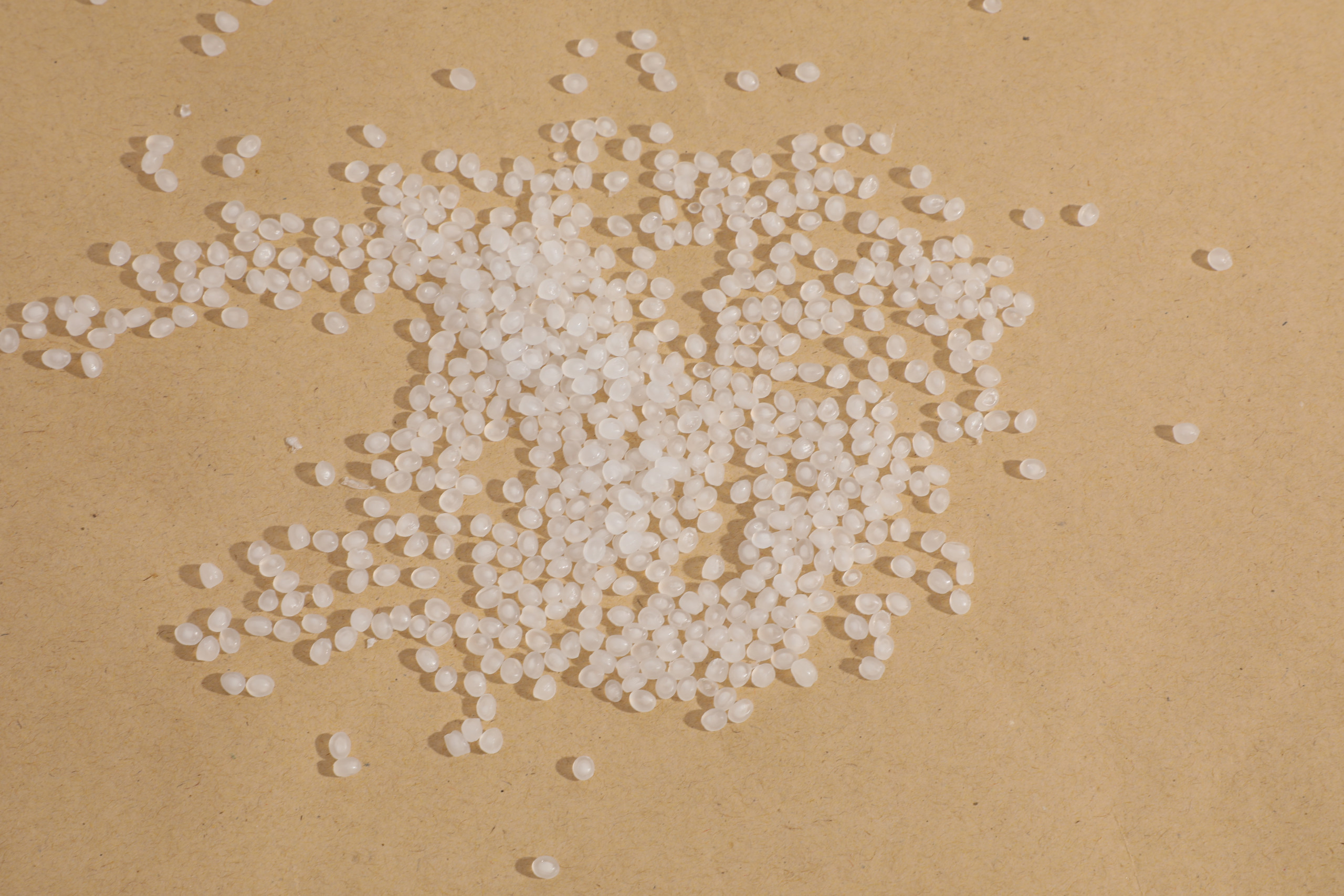

When engineers and product designers evaluate materials for a new application, one of the first questions they ask is: “How hot can this plastic get before it starts to fail?” For polypropylene (PP) – one of the most widely used commodity thermoplastics in the world – the answer is more nuanced than a single number. Understanding the temperature limits of PP is essential for ensuring part performance, safety, and longevity across industries ranging from automotive components to medical devices and consumer goods.
In this comprehensive analysis, we’ll explore not only the melting point of PP but also its continuous service temperature, the factors that influence its heat resistance, and how PP compares to other engineering plastics when thermal demands increase. More importantly, we’ll examine real-world scenarios where standard PP reaches its limits – and what alternatives, such as high-performance polymers like PEI (polyetherimide) from CISKO NEW MATERIAL, offer a viable path forward.
Polypropylene (PP) is a semi-crystalline thermoplastic polymer belonging to the polyolefin family. It is produced through the polymerization of propylene monomers and is characterized by its excellent chemical resistance, low density, good mechanical properties, and relatively low cost. These attributes make PP a go-to material for countless applications, from food containers and packaging to automotive bumpers, battery cases, and medical syringes.
But when we talk about how hot PP can get without melting, we must distinguish between several key thermal parameters:
The crystalline regions within PP have a defined melting point. For isotactic polypropylene – the most common commercial grade – the melting point typically ranges from 160°C to 170°C (320°F to 338°F). This is the temperature at which the ordered crystalline structure breaks down and the polymer transitions from a solid to a viscous liquid.
However, melting is not an instantaneous event. It occurs over a temperature range, and the exact value depends on the polymer’s molecular weight, crystallinity, and the presence of any additives or fillers.
Equally important for engineering applications is the glass transition temperature, which for PP is approximately -10°C to 0°C (14°F to 32°F). This is the temperature below which the amorphous regions of the polymer become brittle and glass-like. Above Tg, the material becomes more flexible and ductile. For PP, Tg is well below room temperature, meaning it behaves as a tough, ductile material under most ambient conditions.
This is a more practical measure for engineers. HDT indicates the temperature at which a plastic sample deflects by a specified amount under a given load (typically 0.45 MPa or 1.82 MPa). For unfilled PP, the HDT at 0.45 MPa is about 100°C to 110°C (212°F to 230°F). Under the higher 1.82 MPa load, the HDT drops to around 50°C to 60°C (122°F to 140°F). These values are significantly lower than the melting point because HDT measures the material’s ability to maintain its shape under load as temperature increases – not just the onset of melting.
The Relative Temperature Index (RTI) – sometimes called the continuous service temperature – is perhaps the most critical parameter for long-term applications. RTI represents the maximum temperature at which a material can be used continuously (typically 100,000 hours) without losing more than 50% of its original mechanical property. For standard PP, this is around 80°C to 100°C (176°F to 212°F), depending on the specific grade and the property being evaluated (tensile strength, impact resistance, etc.).
What does this mean in practice? A polypropylene part can technically survive brief exposure to temperatures above 100°C without immediately melting, but its mechanical integrity will degrade over time. For example, a PP automotive under-hood component might withstand engine bay heat for a few hours, but after thousands of thermal cycles, it will become brittle, crack, or creep under load.
Now that we’ve covered the theoretical parameters, let’s examine specific scenarios where PP is pushed to its thermal limits:
PP is often used for plumbing and hot water distribution, especially in the form of PP-R (random copolymer polypropylene). PP-R pipes are rated for continuous use at up to 70°C (158°F) at 10 bar pressure, with short-term peaks up to 95°C (203°F). At these temperatures, the material remains dimensionally stable and retains sufficient mechanical strength. However, if the water temperature consistently exceeds 95°C – for example, in a poorly designed heating system – the pipe will begin to soften, creep, and eventually burst.
Polypropylene food containers are widely marketed as microwave-safe. This is because PP can withstand short-term exposure to microwave heating, where localized temperatures can reach 100°C to 120°C (212°F to 248°F) due to steam and hot food contact. The key is thermal mass and time – a thin-walled PP container with a small volume of food will heat and cool quickly, preventing the polymer from reaching its melting point. However, repeated microwaving or prolonged heating of fatty foods (which can reach higher temperatures than water) will eventually degrade the material.
Under-hood temperatures in modern vehicles can range from 80°C to 150°C (176°F to 302°F), depending on location and engine type. Standard unfilled PP cannot survive in these environments for extended periods. Even glass-reinforced PP grades, which have higher HDT values (up to 140°C at 0.45 MPa), still fall short for critical components near the exhaust manifold or turbocharger. This is why many under-hood parts – such as cooling fan shrouds, air intake manifolds, and electrical connectors – are now made from higher-performance materials like polyamide (PA) or polyphenylene sulfide (PPS), or in some cases, polyetherimide (PEI) from suppliers like CISKO NEW MATERIAL.
LED lighting generates significant heat at the junction, and housing materials must dissipate that heat while maintaining structural integrity. Standard PP housings may work for low-power LED bulbs, but high-lumen commercial fixtures can produce temperatures exceeding 100°C at the housing surface. Over time, PP will yellow, become brittle, and lose its dimensional stability – a phenomenon known as thermal aging.
It’s important to note that not all PP is created equal. By adding glass fibers, mineral fillers, or talc, the heat deflection temperature of PP can be substantially improved:
| PP Grade | Melting Point (°C) | HDT at 0.45 MPa (°C) | HDT at 1.82 MPa (°C) | Continuous Service (°C) |
|---|---|---|---|---|
| Unfilled PP (homopolymer) | 160–165 | 100–110 | 50–60 | 80–90 |
| Unfilled PP (copolymer) | 155–165 | 85–95 | 45–55 | 75–85 |
| 20% Glass-filled PP | 160–165 | 140–150 | 90–110 | 100–110 |
| 30% Glass-filled PP | 160–165 | 150–160 | 100–120 | 110–120 |
Even with 30% glass reinforcement, PP cannot match the thermal performance of true high-temperature engineering plastics. The melting point remains essentially unchanged because the crystalline structure of the polymer itself is unaffected by fillers – the improvement comes from the reinforcement’s ability to carry load at elevated temperatures.
There comes a point in many applications where the thermal performance of polypropylene – even the most heavily reinforced grades – is simply insufficient. This is particularly true in industries facing stringent regulatory requirements, miniaturization trends, or exposure to aggressive chemical environments combined with heat.
A leading aerospace component manufacturer recently faced a design dilemma. Their new-generation seat-back connector system needed to operate reliably at continuous temperatures of 125°C (257°F), with intermittent spikes up to 160°C (320°F) during sterilization cycles. Standard PP would soften and creep well before reaching these conditions. Even glass-filled PBT (polybutylene terephthalate) and PA66 (nylon 66) fell short due to moisture absorption issues and insufficient flame retardancy.
The solution came in the form of polyetherimide (PEI) resin, specifically SABIC’s Ultem™ 1000 series. PEI offers a glass transition temperature of 217°C, continuous service temperature of 170°C, and inherent flame retardancy (UL94 V-0) without halogenated additives. For this particular project, CISKO NEW MATERIAL provided technical support in selecting the optimal grade – Ultem™ 1000-7101 – which delivered the required combination of thermal stability, electrical insulation, and dimensional precision.
This case illustrates a broader industry trend: as thermal and regulatory demands increase, designers are increasingly turning to amorphous high-temperature polymers like PEI, PES (polyethersulfone), and PPSU (polyphenylsulfone) as drop-in replacements for over-stressed polyolefins.
In medical device manufacturing, sterilization compatibility is often the limiting factor for material selection. Autoclave sterilization at 121°C to 134°C (250°F to 273°F) is routine for surgical instruments and their packaging. Standard PP trays and containers will deform after repeated autoclave cycles, losing their seal integrity and risking contamination of sterile contents.
Polysulfone (PSU) and polyphenylsulfone (PPSU) have become the materials of choice for reusable sterilization trays, offering continuous service temperatures above 160°C and exceptional hydrolytic stability. These materials, available through CISKO NEW MATERIAL, maintain their mechanical properties through hundreds of autoclave cycles, providing a significantly longer service life than PP alternatives.
For engineers evaluating material options, here’s a side-by-side comparison of PP against three common upgrade paths:
| Property | Unfilled PP | Glass-Filled PP | SABIC Ultem™ PEI | PES (Polyethersulfone) | PPSU (Polyphenylsulfone) |
|---|---|---|---|---|---|
| Melting/Tg | 160°C (Tm) | 160°C (Tm) | 217°C (Tg) | 225°C (Tg) | 220°C (Tg) |
| Continuous Use | 80–100°C | 100–120°C | 170°C | 180°C | 160°C |
| HDT (1.82 MPa) | 55°C | 100°C | 200°C | 203°C | 207°C |
| UL94 Rating | HB (with FR additives) | HB/V-2 typically | V-0 (inherent) | V-0 (inherent) | V-0 (inherent) |
| Chemical Resistance | Excellent | Excellent | Very Good | Good | Excellent |
| Moisture Absorption | <0.1% | <0.1% | 0.25% (affects processing) | 0.8% | 0.4% |
| Relative Cost | Low | Low-Medium | High | Very High | High |
The decision to move from PP to a high-performance thermoplastic should be driven by specific application requirements:
Temperature threshold: If your application requires continuous operation above 120°C (248°F), PP – even glass-filled – is no longer viable. PEI or PES are the next logical step.
Flame retardancy: PP can be made flame retardant with additives, but these often compromise mechanical properties and may face regulatory restrictions (e.g., halogen-free requirements). PEI is inherently flame retardant without additives, making it ideal for aerospace, rail, and electronics applications.
Dimensional stability under load: At temperatures above 100°C, PP undergoes significant creep. For parts that must maintain tight tolerances under continuous stress – such as electrical connectors, bearing cages, or pump impellers – amorphous thermoplastics like PSU or PEI offer superior creep resistance.
Sterilization compatibility: For medical devices requiring repeated autoclave, gamma, or ethylene oxide sterilization, PPSU and PEI are the gold standards. PP is typically limited to single-use or limited-cycle applications.
Polyetherimide (PEI) has emerged as one of the most versatile high-performance alternatives for applications where polypropylene falls short. Available in both the industry-standard SABIC Ultem™ series and cost-effective domestic alternatives like Valiant PEI (supplied by CISKO NEW MATERIAL), PEI offers several distinct advantages:
With a glass transition temperature of 217°C and a continuous service temperature (RTI) of 170°C, PEI can operate in environments where PP would fail within minutes. This makes it suitable for 5G telecommunications infrastructure, semiconductor manufacturing equipment, and advanced automotive electronics.
PEI achieves a UL94 V-0 rating at thicknesses as low as 0.25 mm (for glass-filled grades) without the use of halogenated flame retardants. This is increasingly important as global regulations (such as the European Union’s RoHS and REACH directives) restrict the use of certain chemical additives.
At 5G frequencies (1–10 GHz), PEI maintains a stable dielectric constant and low dissipation factor, ensuring signal integrity in high-speed data transmission applications. This is a clear advantage over PP, which has higher dielectric loss at microwave frequencies.
PEI can be injection molded, extruded, and thermoformed using conventional equipment with appropriate modifications (higher barrel temperatures, 360–400°C, and adequate drying). This means existing PP mold tools can often be adapted for PEI production with minimal investment.
The straightforward answer to “How hot can PP plastic get without melting?” is that its melting point is around 160–170°C, but its practical temperature limit for long-term engineering applications is much lower – typically 80–100°C for continuous use, with glass-filled grades extending to about 120°C. Beyond these thresholds, the material loses mechanical integrity through softening, creep, and thermal degradation.

However, the more important question for product designers and engineers is: “When should I consider moving beyond PP?” The answer is becoming clearer as industry demands evolve. Miniaturization of electronics, higher power densities in automotive systems, stricter fire safety regulations, and the shift toward lead-free soldering in electronics assembly are all pushing thermal requirements upward.
For applications requiring:

Continuous service above 120°C
Inherent flame retardancy without additives
Dimensional stability under load at elevated temperatures
Repeated sterilization cycles
Long-term reliability in harsh environments
The upgrade from PP to a high-performance thermoplastic like PEI, PES, or PPSU is not just a material change – it is a strategic investment in product reliability and regulatory compliance.
CISKO NEW MATERIAL offers a comprehensive portfolio of high-temperature engineering plastics, including SABIC Ultem™ PEI and Valiant PEI, alongside PES, PSU, PPSU, and PEEK resins. With authorized distribution partnerships, full regulatory documentation (TDS, SDS, COA, REACH, RoHS, UL), and application-specific technical support, CISKO helps engineers navigate the transition from commodity to high-performance materials with confidence.
Whether you are redesigning a connector for 5G base stations, upgrading medical sterilization trays, or developing the next generation of electric vehicle components, understanding the thermal limits of your material is the first step toward making a smarter, more reliable choice. And when polypropylene reaches its ceiling, the world of high-performance polymers is ready to take you higher.
For more information on material selection, processing guidelines, or to request samples for your specific application, contact the technical team at CISKO NEW MATERIAL – your partner in engineering plastic solutions.


Leave a comment