No products in the cart.
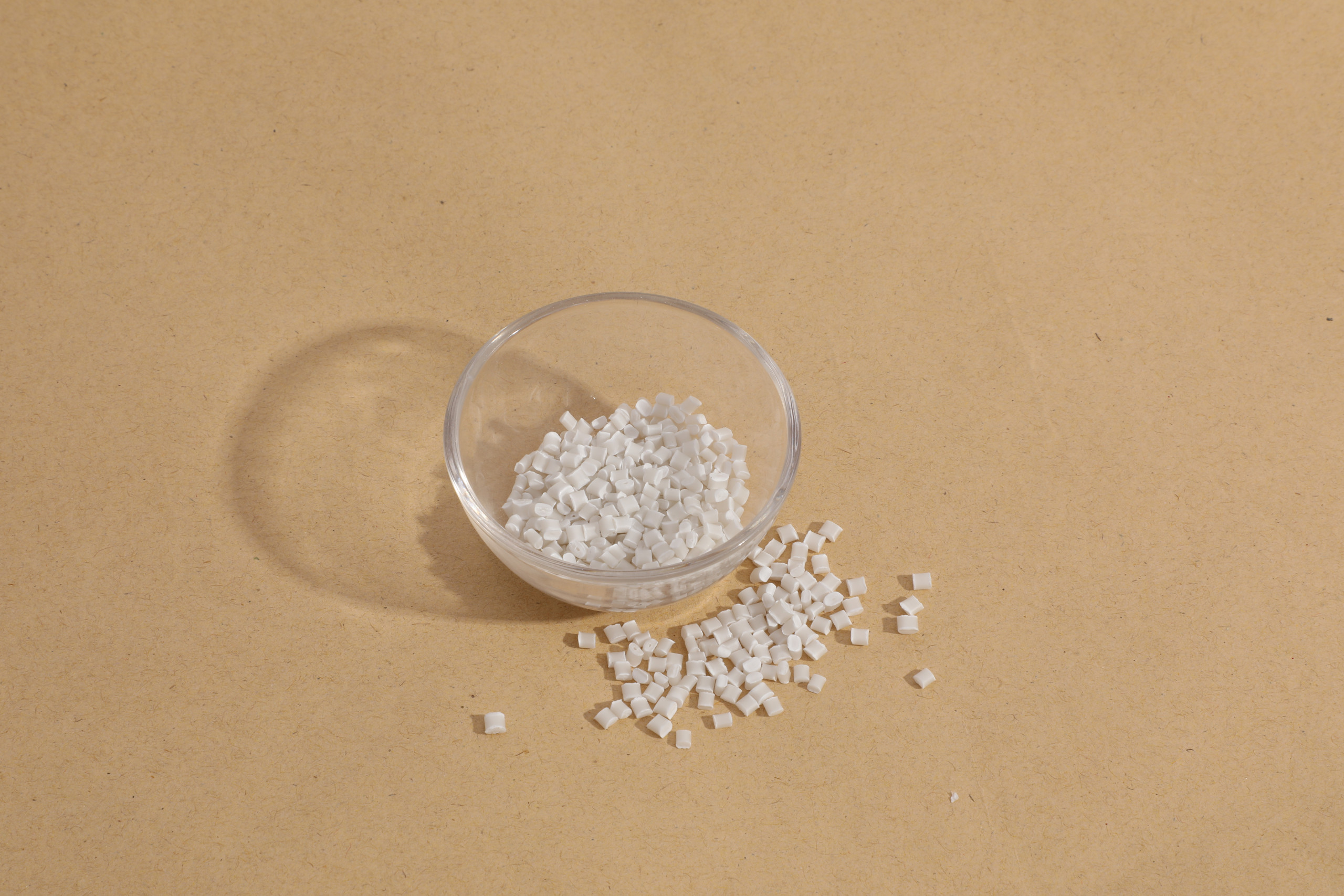
Polypropylene (PP), marked with the chasing arrows symbol and the number 5, is one of the most widely used plastics globally. From yogurt containers and bottle caps to automotive components and medical devices, its versatility, chemical resistance, and lightweight nature have made it a cornerstone of modern manufacturing. Yet, despite its presence in nearly every household and industry, the recycling landscape for #5 PP plastic is fraught with complexity, misconceptions, and missed opportunities. Industry data suggests that while PP constitutes roughly 20% of global plastic production, its actual recycling rate in many regions hovers below 5%—a startling reality that demands a closer examination.
This article peels back the layers of PP recycling, separating fact from fiction. We will explore why #5 PP is often excluded from curbside programs, the technical barriers that hinder its recovery, and the emerging innovations that promise to transform its lifecycle. Along the way, we will consider how material quality, supply chain integrity, and specialized suppliers—such as CISKO New Material, an authorized distributor of high-performance polypropylene compounds—play a critical role in enabling a more circular economy. By the end, you will have a clearer understanding of the true state of PP recycling and what it means for consumers, manufacturers, and the environment.

One of the most common misconceptions about #5 PP is that it is universally recyclable. In reality, many municipal recycling programs still exclude PP due to economic and logistical constraints. While polypropylene has favorable properties for recycling—its melting point is around 160°C, and it can be reprocessed multiple times without significant degradation—the collection and sorting infrastructure is not yet optimized for this material.
According to a report from the Association of Plastic Recyclers (APR), PP containers represent approximately 15% of the plastic packaging stream in the United States, yet only about 17% of communities have access to PP collection. The primary obstacles include:
Low density and high volume: PP containers are often lightweight and take up space, making transportation and processing less cost-effective per ton compared to PET or HDPE.
Sorting difficulties: Many sorting facilities rely on near-infrared (NIR) sensors that may misidentify or overlook PP due to its composition and black pigmentation. Black PP, commonly used in food trays and automotive parts, absorbs NIR light and frequently ends up in the residual waste stream.
Contamination: Residual food, adhesives, and mixed material lids (e.g., PP caps on HDPE bottles) introduce contaminants that degrade the quality of recycled PP, reducing its market value.
Another pervasive belief is that recycled PP can only be used for low-grade applications like park benches or speed bumps. While it is true that some recycled grades have limited mechanical strength, advanced mechanical and chemical recycling technologies are now producing recycled PP that meets the specifications for demanding uses, including automotive interior components, packaging, and even medical devices.
For example, a leading European automotive supplier has demonstrated that closed-loop recycling of PP bumper covers can yield materials with tensile strength within 95% of virgin resin, enabling reuse in new bumpers. However, achieving this level of performance requires consistent input quality—which is where the role of reliable material sourcing becomes critical. A case study from a manufacturer of high-durability PP compounds (similar those supplied by CISKO New Material under the Hanwha-TotalEnergies partnership) shows that when recycled PP is properly sorted and compounded with stabilizers, it can match the characteristics of virgin grades for many injection-molding applications.
{image links: a diagram showing the sorting and recycling workflow for #5 PP plastics, from household bins to recycled pellets}
Polypropylene is susceptible to chain scission and oxidation during reprocessing, especially when exposed to high temperatures and shear forces. Each thermal cycle can reduce molecular weight, leading to decreased impact resistance and elongation. For high-end applications—such as under-hood automotive parts or electrical enclosures—the threshold for mechanical property retention is stringent.
Research published in Waste Management indicates that after five reprocessing cycles without stabilizers, PP can lose up to 30% of its tensile strength. However, the addition of antioxidants and compatibilizers can mitigate this loss. The key is that not all recycling facilities have the expertise or equipment to dose these additives effectively.
The economic math often favors virgin resin. Virgin PP derived from petrochemical feedstock has benefited from stable or falling crude oil prices in recent years, while recycled PP (rPP) requires labor-intensive collection, washing, and compounding. According to industry estimates, high-quality rPP costs 10–30% more than its virgin counterpart in some markets, deterring widespread adoption.
However, this gap is narrowing as regulatory pressures mount. The European Union’s Packaging and Packaging Waste Regulation (PPWR) mandates that by 2030, certain plastic packaging must contain at least 30% recycled content. Similar initiatives in North America and Asia are driving demand for rPP, incentivizing investment in advanced sorting and cleaning technologies.
Unlike PET or aluminum, which have established closed-loop systems facilitated by large brand owners, PP recycling is fragmented across many small collectors and processors. This leads to:
Batch variability: Mechanical properties and color of rPP can fluctuate from lot to lot, making it difficult for molders to maintain consistent product quality.
Insufficient documentation: Many suppliers of recycled PP fail to provide comprehensive Technical Data Sheets (TDS), Safety Data Sheets (SDS), or Certificates of Analysis (COA), leaving manufacturers uncertain about compliance with industry standards such as UL 94, RoHS, or FDA food contact requirements.
This gap in traceability is a pain point that specialty material distributors like CISKO New Material address by sourcing directly from authorized manufacturers and providing full documentation—ensuring that even recycled grades are accompanied by verifiable performance data.
Mechanical recycling remains the most widely deployed method for PP, involving shredding, washing, melting, and pelletizing. Recent innovations focus on:
Improved decontamination: Multi-stage washing systems using hot caustic baths and friction washers remove labels, adhesives, and food residues more effectively.
Advanced sorting: Hyperspectral imaging and AI-driven robotics can now differentiate between PP homopolymers, copolymers, and mineral-filled grades, enabling higher purity outputs.
Compounding with virgin resins: Blending rPP with virgin PP (such as the Hanwha-TotalEnergies compounds available through CISKO New Material) allows manufacturers to fine-tune melt flow index (MFI) and impact strength for specific applications.
A case study from a packaging converter in Southeast Asia illustrates the potential: by combining 50% post-consumer rPP with 50% virgin PP (supplied by a certified distributor), they achieved a food-contact grade that passed migration tests under EU Regulation 10/2011. The result was a cost reduction of 15% compared to using 100% virgin resin, without sacrificing barrier properties.
Chemical recycling—including pyrolysis, gasification, and solvent-based purification—offers a path to convert PP back into its constituent monomers (propylene) or high-quality liquid feedstocks for new polymerization. This approach can theoretically handle mixed and contaminated PP streams that mechanical recycling cannot.
Key developments include:
Catalytic pyrolysis: New catalysts lower the required temperature and improve the yield of propylene monomers. A pilot plant in Germany reported up to 70% monomer recovery from post-industrial PP waste.
Selective dissolution: Solvent-based processes (e.g., using toluene or xylene) selectively dissolve PP from multilayered packaging, leaving behind other polymers and contaminants. This method preserves the polymer’s chain length and allows near-100% recovery of mechanical properties.
However, chemical recycling remains energy-intensive and capital-heavy. According to a 2022 techno-economic analysis, the production cost of chemically recycled PP is currently $1,500–$2,500 per ton, compared to $900–$1,200 for virgin PP. Scaling up and integration with renewable energy are needed to make it economically viable.
Regardless of the recycling route, the quality of the final material depends heavily on the quality of the feedstocks and additives. Suppliers who specialize in high-performance polypropylene compounds—such as those offered by CISKO New Material from their authorized Hanwha-TotalEnergies portfolio—can supply virgin and recycled grades with consistent MFI, impact modifiers, flame retardants, or UV stabilizers. This not only simplifies processing for molders but also enables them to design products with end-of-life recycling in mind.
For instance, using a mineral-filled PP grade with a specific density can make sorting by sink-float separation more efficient. Similarly, selecting halogen-free flame retardant PP compounds simplifies downstream recycling by avoiding hazardous additives that would otherwise contaminate the recycle stream.
{image links: a graph comparing the mechanical property retention of mechanically vs. chemically recycled PP over multiple cycles}
The burden of improving PP recycling does not fall solely on waste management companies. Product designers and manufacturers must consider material selection and part geometry to facilitate end-of-life recovery. Best practices include:
Avoiding black colorants that hinder NIR sorting (using detectable pigments like blue or white instead).
Eliminating inseparable multi-material components (e.g., PP lids with silicone gaskets).
Using minimum wall thickness allowed by the application, reducing material usage without compromising functionality.
As recycled content mandates become more common, manufacturers need assurance that the rPP they purchase is genuine, compliant, and consistent. This is where specialized distributors add value. CISKO New Material, as an authorized supplier of Hanwha-TotalEnergies PP compounds (and other high-temperature engineering plastics like SABIC Ultem and Solvay PEEK), offers full traceability from the original manufacturer to the end user. Each shipment is accompanied by TDS, SDS, COA, and regulatory certifications (REACH, RoHS, UL, FDA), eliminating the guesswork that often plagues recycled material procurement.
Several initiatives are already demonstrating the power of collaboration. For example, the Polypropylene Recyclers Association (PRPA) in North America has developed a “Preferred Spectrum” for PP colors and labels, helping sorters achieve higher purity rates. Meanwhile, major brand owners like Procter & Gamble and Unilever have committed to using 100% reusable, recyclable, or compostable packaging by 2025, driving demand for robust recycling infrastructure.
At the material supplier level, companies like CISKO New Material are bridging the gap between virgin resin producers and recyclers by offering both conventional and recycled grades, along with technical support for mold design and processing parameters. This holistic approach reduces trial-and-error for manufacturers and accelerates the adoption of circular solutions.
{image links: a flowchart showing how a manufacturer can choose between virgin and recycled PP grades based on application requirements and supplier documentation}
The truth about #5 PP recycling is neither entirely discouraging nor overly optimistic. While current recovery rates remain low and infrastructure gaps persist, technological advancements and regulatory tailwinds are creating momentum. Mechanical recycling is becoming more refined, chemical recycling is emerging as a complementary tool, and the push for recycled content is reshaping market dynamics.
For manufacturers, the key takeaway is that successful closed-loop PP recycling requires three pillars: consistent feedstock quality, robust compounding and stabilization, and transparent supply chain documentation. Distributors that combine authorized sourcing of high-performance virgin PP (such as Hanwha-TotalEnergies compounds) with rigorous quality control—alongside growing offerings of recycled grades—provide a practical bridge to a more sustainable future.

Looking ahead, we can anticipate:
Scale-up of advanced sorting using AI and sensor fusion, making PP collection economically viable in more municipalities.
Lower costs for chemical recycling through process optimization and renewable energy integration.
Greater adoption of design-for-recyclability guidelines across consumer goods, automotive, and medical sectors.
Increased regulatory harmonization on recycled content standards, reducing the administrative burden for global supply chains.
The story of #5 PP is not yet a recycling success story, but the chapters are being rewritten. By understanding the real barriers and leveraging the expertise of reliable material partners, the industry can transform polypropylene from a one-way material into a truly circular resource—one that retains its valuable properties across many lives without burdening the planet. The truth is, we have the technology and the know-how; now it is a matter of collective will to implement it.


Leave a comment