No products in the cart.
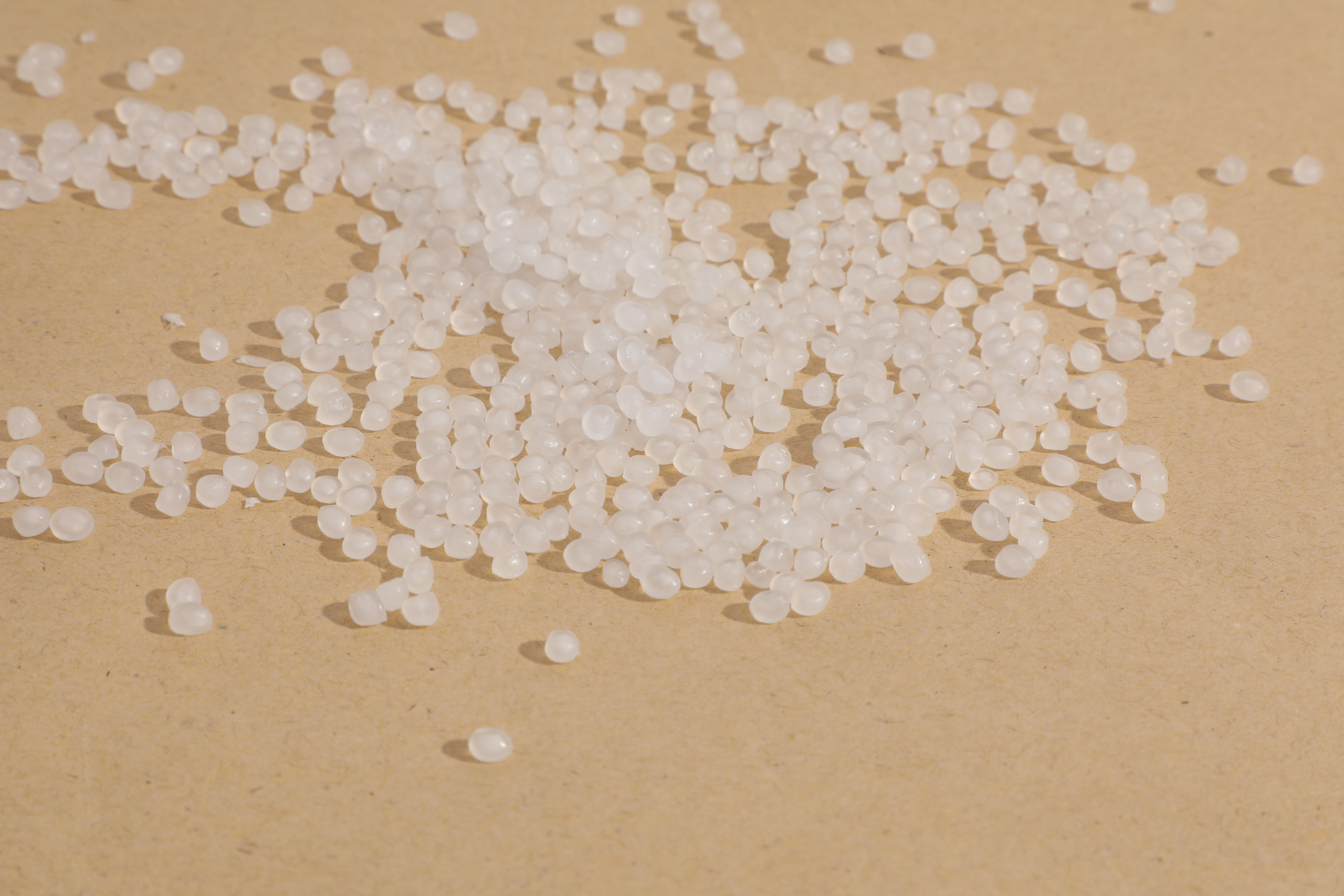

In the world of skincare packaging, the humble jar often gets overlooked. Consumers focus on the formula inside—the active ingredients, the texture, the scent—but the container that houses these precious creams plays a critical role in preserving efficacy, ensuring safety, and enhancing user experience. Among the myriad of packaging materials available, polypropylene (PP) plastic cream jars have emerged as a preferred choice for many brands and consumers alike. But what makes PP so special? This article will explore the technical advantages, practical benefits, and industry insights behind PP plastic cream jars, helping you understand why they might be the perfect choice for your skincare routine.
We’ll dive into the material science, compare PP with other common packaging materials, examine real-world applications through case studies, and look at the future of sustainable packaging. Throughout the discussion, we’ll highlight how a reliable material supplier like CISKO plays a key role in ensuring the quality and performance of PP packaging solutions. Let’s begin by understanding the foundation: the material itself.
To truly appreciate why PP plastic cream jars are so effective, we need to understand the material’s inherent properties. Polypropylene is a thermoplastic polymer, meaning it can be melted and reshaped multiple times without significant degradation. This characteristic alone makes it highly versatile for manufacturing. But its value goes far beyond processability.
One of the most critical properties for any skincare packaging is chemical inertness. The material should not react with the product it contains. Many active ingredients in skincare—such as retinol, vitamin C, hyaluronic acid, and various peptides—can be sensitive to their environment. They can degrade when exposed to certain metals, plastics, or even oxygen.
PP is inherently resistant to a wide range of chemicals, including acids, bases, and organic solvents commonly found in cosmetic formulations. This means the packaging will not leach harmful substances into your cream, nor will it absorb or react with the active ingredients. This inertness is a significant advantage over some other plastics, like low-density polyethylene (LDPE), which can be more permeable to certain gases and chemicals. For brands that prioritize product stability and longevity, PP is a reliable choice.
Skincare products, especially water-based creams, are susceptible to microbial growth and oxidation. A good packaging material must act as an effective barrier against moisture loss and oxygen ingress. PP has a low moisture vapor transmission rate (MVTR), meaning it effectively prevents water from escaping the container and prevents external moisture from entering. This helps maintain the cream’s intended consistency and prevents it from drying out.
While PP is not as impermeable as glass or aluminum to oxygen, it offers a significantly better barrier than many other common plastics, such as polystyrene (PS) or general-purpose polyethylene. For formulations that are particularly sensitive to oxidation, additional measures like incorporating oxygen scavengers or using multi-layer structures can be employed. However, for the vast majority of skincare creams, a well-designed PP jar with a properly sealing lid provides an excellent balance of protection and practicality. An industry report from a leading packaging materials association indicates that PP-based containers can reduce product weight loss by up to 40% compared to some alternative plastics over a 12-month shelf life.
Unlike glass, which can shatter into sharp, dangerous shards, or some other plastics that can crack or deform under stress, PP is known for its excellent impact resistance and toughness. This makes PP cream jars a significantly safer option for use in bathrooms, travel bags, or gym lockers. A drop from a countertop is unlikely to cause a catastrophic failure, reducing the risk of product loss and potential injury.
Furthermore, PP is resistant to a wide range of temperatures. It can withstand high temperatures (up to around 120°C) without deforming, making it suitable for hot-fill processes where products are filled while still warm. This thermal stability also means the jars can be safely used in environments where they might be exposed to sunlight or heat, though prolonged direct sunlight should still be avoided. PP is also inherently safe for food contact and cosmetic use, and materials supplied by compliant partners like CISKO come with full REACH and RoHS certifications, ensuring they meet stringent global safety standards.
From a manufacturing perspective, PP is a dream material. It can be easily molded into complex shapes, allowing for a wide variety of jar designs—from sleek, minimalist cylinders to more decorative, custom shapes. The material can be produced in a range of colors, from transparent to opaque, and can accept various surface finishes, including matte, gloss, or soft-touch textures.
This design flexibility is a major advantage for skincare brands that want to create a distinctive visual identity. A cream jar is often the first physical touchpoint a consumer has with a brand, and a well-designed, high-quality jar can significantly enhance perceived value. PP allows brands to achieve this aesthetic sophistication without compromising on the functional requirements of durability and product protection.
While the material science is compelling, the real-world benefits of PP plastic cream jars are what make them a favorite among consumers. Here’s a look at how these properties translate into a better daily experience.
One of the most immediate advantages of PP over glass is its weight. A 50ml PP cream jar is significantly lighter than a 50ml glass jar. This makes a substantial difference in a daily skincare routine—for example, carrying it in a bag or taking it on a trip. It reduces the overall weight of your cosmetic bag, making travel more convenient. From a brand perspective, lighter packaging reduces shipping costs and the carbon footprint associated with transportation, which is a growing consideration for environmentally conscious companies.
The durability of PP translates directly to safety. As mentioned, PP does not shatter like glass. This is a massive advantage in a bathroom, where sinks, tiles, and hard floors are common. A dropped PP jar might bounce or scuff but is unlikely to break open and spill its contents. This is especially important for products used near water, where slipping is a concern. For parents with young children or elderly individuals, the shatter-proof nature of PP offers peace of mind.
There’s a common misconception that plastic is inherently bad for the environment, while glass is automatically good. The reality is far more nuanced. While glass is infinitely recyclable, it is very heavy and energy-intensive to produce and transport. Its high weight means more fuel is consumed during shipping, leading to a higher carbon footprint.
PP, on the other hand, is widely recycled. The recycling code for PP is #5 (PP). It can be reprocessed into new products, including plastic lumber, automotive parts, and even new packaging. The lifecycle carbon footprint of a PP jar is often lower than that of a glass jar, especially when the transportation energy is factored in. Furthermore, PP can be manufactured using post-consumer recycled (PCR) content, creating a circular economy. Many brands are now moving toward packaging that incorporates a percentage of PCR-PP, reducing the demand for virgin plastic. A study from a sustainability-focused materials institute shows that switching a standard 100ml face cream jar from glass to PP can reduce its overall carbon footprint by approximately 35-45%.
The flexibility of PP also allows for the incorporation of user-friendly features that enhance the application experience. These include:
Controlled Dispensing: PP jars can be designed with tight-sealing, easy-to-open lids that maintain product freshness.
Spatula Compatibility: The wide mouth of a cream jar allows for the use of a spatula, which is a hygienic way to dispense product without introducing bacteria from fingers.
Ergonomic Shapes: The material can be molded into shapes that fit comfortably in the hand, making it easier to grip and open, even with wet or slippery fingers.
To make an informed choice, it’s helpful to see how PP stacks up against other common packaging materials. The following table provides a concise comparison:
| Feature | PP Plastic | Glass | Acrylic (PMMA) | ABS Plastic |
|---|---|---|---|---|
| Weight | Very Light | Heavy | Light | Light |
| Break-Resistance | Excellent (Shatter-proof) | Poor (Shatters) | Good (Can crack) | Good |
| Chemical Inertness | Excellent | Excellent | Good | Moderate |
| Moisture Barrier | Good | Excellent | Moderate | Good |
| Oxygen Barrier | Moderate | Excellent | Poor | Moderate |
| Design Flexibility | Excellent (Complex shapes) | Moderate (Simple shapes) | Good | Good |
| Recyclability | Widely Recycled (#5) | Infinitely Recyclable | Less Widely Recycled | Less Widely Recycled |
| Cost | Low to Moderate | Low to Moderate | Moderate to High | Moderate |
| Aesthetic Feel | Versatile (Matte, Gloss) | Premium, Heavy Feel | Premium, Glass-like | Plastic-y Feel |
Analysis:
PP vs. Glass: Glass offers superior barrier properties and a premium feel, but it is heavy, fragile, and more expensive to transport. PP wins hands down for safety, portability, and overall lifecycle carbon impact. For brands that prioritize a luxurious in-hand feel, glass is still the king. However, for many everyday creams and lotions, PP provides a more practical and sustainable solution.
PP vs. Acrylic (PMMA): Acrylic is often used for its high clarity and glass-like appearance. However, it is more brittle than PP, has a weaker moisture barrier, and is less chemically inert. For formulations containing oils or certain active ingredients, PP is a safer choice. Acrylic also has a higher cost.
PP vs. ABS: ABS is a strong, durable plastic, but it is more expensive than PP and has a higher environmental impact. ABS is often used for higher-end cosmetic packaging components, but its chemical resistance is not as broad as PP.
Verdict: For a typical skincare cream, PP offers the best balance of performance, safety, cost, and sustainability. It’s the workhorse of the packaging world. This is why many leading skincare brands, including those that prioritize performance and value, now rely on PP jars. A reliable material supplier like CISKO, which provides high-quality PP compounds, ensures that the final packaging meets the highest standards for strength, purity, and aesthetic quality.
Let’s look at two hypothetical but realistic case studies to see how brands benefit from using PP cream jars, with insights drawn from the material supply and technical support ecosystem that companies like CISKO provide.
Challenge: Earth & Glow is a new skincare brand focused on natural, organic ingredients. They want a packaging solution that is sustainable, affordable, and reflects their brand’s values of simplicity and nature. They are launching a line of moisturizers and face creams. Glass seems too heavy and risky for shipping, but they are hesitant about plastic’s environmental reputation.
Solution: Earth & Glow partners with a packaging manufacturer that uses certified post-consumer recycled (PCR) PP resin. They choose a simple, matte-finish PP jar with a recycled-content PP lid. The jar is produced locally, reducing transportation emissions.
Result:
Sustainability: The PCR-PP jar significantly reduces their reliance on virgin plastic. They can clearly communicate the recycled content to their customers, aligning with their brand values.
Cost-Effectiveness: The cost of the PCR-PP jar is comparable to virgin PP, allowing them to keep their product prices competitive.
Practicality: The jar is durable enough for shipping and travel, reducing breakage and waste. The lightweight nature also lowers shipping costs.
Brand Perception: The matte finish and simple design of the PP jar feel modern and minimalist, perfectly matching their natural aesthetic.
Key Takeaway: For start-ups, PP (especially PCR-PP) offers a cost-effective, sustainable, and practical way to create a professional, appealing package without the risk and expense of glass.
Challenge: DermaTech Labs is a dermatologist-recommended brand. They are reformulating their popular “Retinol Night Cream” and need packaging that protects the highly unstable active ingredient from air, light, and moisture. They also require a material that is compatible with a high-viscosity formula and can be filled using a hot-fill process.
Solution: The brand works closely with their packaging supplier, who recommends a multi-layer PP jar with an integrated inner seal and an aluminium oxide-lined PP cap for superior oxygen and UV protection. The base material is a high-melt-strength PP grade that can withstand the hot-fill process without warping.
Result:

Product Stability: The multi-layer barrier structure maintains the efficacy of the retinol for the product’s entire shelf life, preventing oxidation and degradation.
Manufacturing Efficiency: The hot-fill process is streamlined, as the PP jar can be filled immediately after formulation without needing a cooling step, saving time and energy.
User Safety: The jar is shatter-proof and safe for use in any room.
Hygiene: The inner seal provides an extra layer of protection and tamper evidence for the consumer.
Key Takeaway: For high-performance, sensitive formulas, PP can be engineered with advanced barrier properties to offer protection comparable to glass, while providing the practical benefits of plastic. The technical support from material experts like CISKO is crucial in selecting the right PP grade for these demanding applications.
The role of PP in skincare packaging is set to evolve further, driven by consumer demand for sustainability and technological innovation.
One of the biggest trends in packaging is the move toward monomaterial solutions. Many current packages are made of multiple materials (e.g., a PP jar with a silicone seal, an aluminum lid, and a paper label), making them difficult to recycle. The future is about designing a jar that is 100% PP—including the lid, seal, and even the label. This simplifies the recycling process and increases the recyclability rate. Companies are already developing PP-based labels and liners that can be recycled with the rest of the container.
The plastics industry is investing heavily in advanced recycling technologies, such as chemical recycling, which can break down PP back into its original building blocks, creating virgin-quality material again and again. This overcomes the limitations of mechanical recycling, where the material can lose quality over multiple cycles. Furthermore, bio-based PP, made from renewable sources like sugarcane or corn, is emerging as a way to reduce the carbon footprint of virgin plastic. These innovations will likely make PP an even more sustainable option in the future.
PP’s versatility makes it a suitable substrate for printing near-field communication (NFC) tags or QR codes, enabling smart packaging features. This allows brands to provide consumers with authenticated product information, usage instructions, or promotional content, creating a more engaging user experience.

In this evolving landscape, the role of material suppliers is becoming more critical. Companies like CISKO are at the forefront, providing not just standard PP but high-performance grades, including PCR-PP, UV-stabilized PP, and specialty PP compounds for barrier protection. They also offer critical technical support, helping brands and manufacturers select the right material for their specific formula and application. By ensuring a consistent, high-quality supply of raw materials, they enable the entire ecosystem to innovate.
Choosing a PP plastic cream jar for your skincare routine is a decision backed by sound science and practical benefits. It offers an exceptional balance of product protection, user safety, portability, and cost-effectiveness. While glass holds an aesthetic premium, PP has closed the gap in many areas, particularly in sustainability and performance. It is a material that respects both the formula inside and the planet outside.
As we look ahead, the future of PP packaging is bright. Driven by the push for a circular economy and technological advancements, the next generation of PP jars will be even more sustainable, intelligent, and tailored to specific product needs. For the consumer, this means you can feel confident choosing a product in a high-quality PP jar, knowing it is a well-designed, safe, and increasingly eco-conscious option. The next time you reach for your moisturizer, take a moment to appreciate the humble PP jar—it’s a small but mighty partner in your daily skincare ritual.


Leave a comment