No products in the cart.
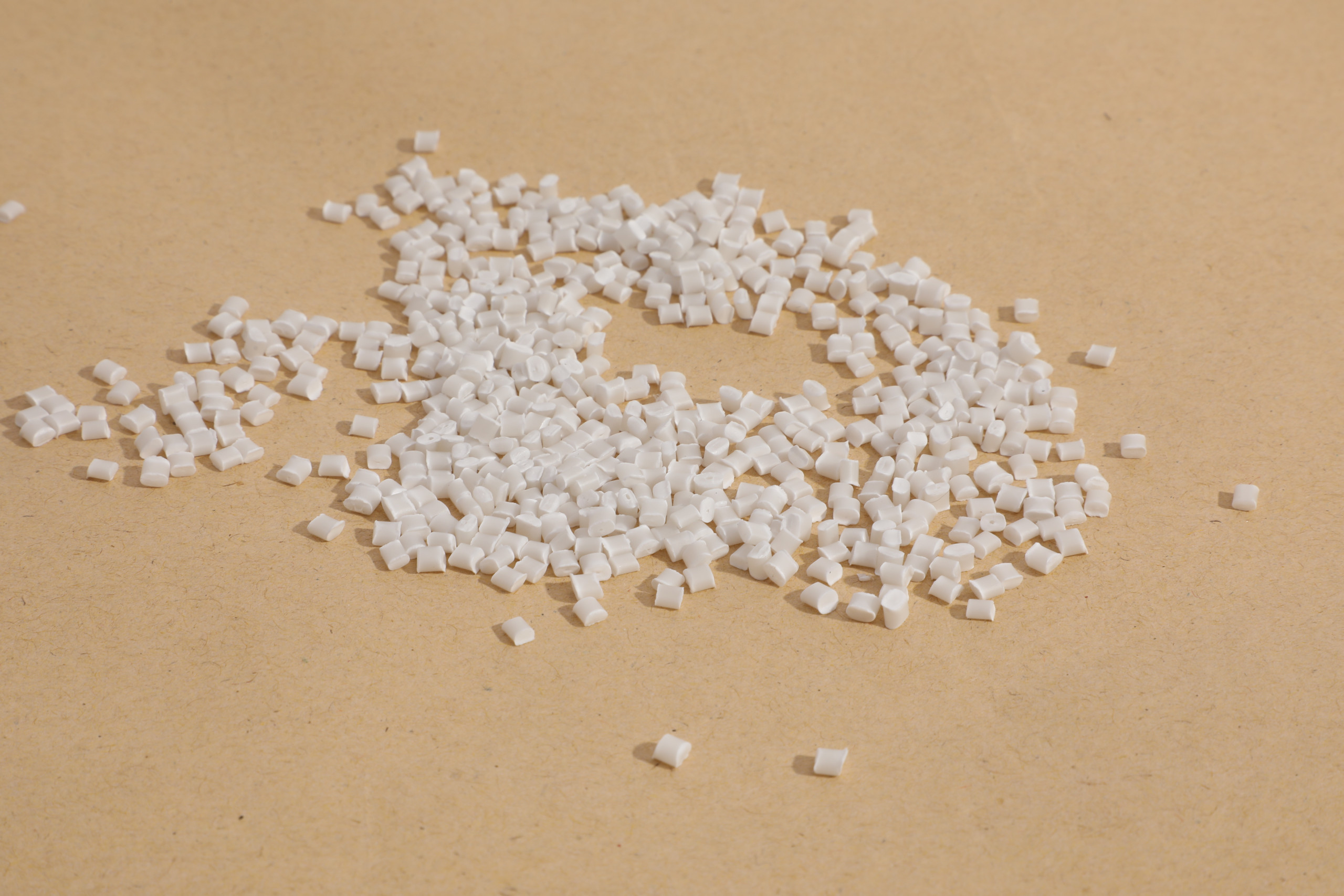

The Philippine manufacturing and construction sectors are experiencing a significant uptick in demand for lightweight, durable, and cost-effective plastic materials. Among the most sought-after items is the standard 4×8 PP (Polypropylene) board. However, for procurement managers, engineers, and business owners, finding a transparent and reliable price point for a “4×8 PP board” in the Philippines can be a complex task. The market is characterized by a wide variance in quality, supply chain volatility, and hidden costs that can derail project budgets.
This article aims to demystify the pricing landscape for 4×8 PP boards in the Philippines. We will break down the core factors influencing cost, compare different material grades, and provide a strategic framework for procurement. Our goal is to help you move beyond simply asking “how much?” to understanding “what is the total value and performance I am getting?” In this context, we will also explore the role of high-performance alternatives that offer superior longevity and functionality for demanding applications.
Historically, the Philippine industrial sector relied heavily on imported wood, metal, and traditional plastics for applications ranging from signage and partitioning to jigs and fixtures. However, the volatility of raw material costs, combined with a growing emphasis on sustainability and corrosion resistance, has propelled Polypropylene (PP) boards into the spotlight.
A standard 4×8 foot PP board (typically 1220mm x 2440mm) offers several inherent advantages:
Water and Chemical Resistance: Ideal for wet environments, food processing plants, and chemical storage areas.
Lightweight: Significantly reduces transportation and handling costs compared to plywood or metal.
Impact Resistance: Excellent durability for reusable packaging and protective covers.
Weldability: Can be easily fabricated and welded for complex shapes.
When you search for “4×8 PP board price Philippines,” you will find figures ranging from a few hundred pesos to over two thousand pesos per sheet. This massive discrepancy is not arbitrary. The price is fundamentally tied to the specific grade and performance characteristics of the material. The market is flooded with general-purpose, recycled, or thin-walled boards that are suitable for temporary or low-stress applications. However, for projects requiring structural integrity, high thermal resistance, or flame retardancy, these cheaper options quickly become liabilities.

A common procurement pitfall is focusing solely on the initial purchase price. A low-cost 4×8 PP board may exhibit the following problems:
Warping and Deformation: Under moderate heat or load, the board can buckle, leading to structural failure.
Poor Impact Resistance: Cracking or chipping during handling, increasing waste and replacement costs.
Inconsistent Thickness: This leads to fabrication issues and poor fitment in machinery or frames.
UV Degradation: If used outdoors, the board may become brittle and fade within months.
These issues translate directly into increased downtime, higher waste disposal, and frustrated end-users. Therefore, understanding the material’s performance profile is as important as the price itself.
To make an informed decision, you must evaluate the following parameters that dictate the price of a 4×8 PP board in the Philippine market.
Virgin PP (Polypropylene): This is the purest form, offering consistent mechanical properties, high impact strength, and excellent color consistency. Boards made from virgin PP command a premium but deliver reliable performance over a longer lifespan.
Recycled PP (Post-Consumer or Post-Industrial): These are cheaper because the polymer chains may have degraded. While suitable for non-critical applications like simple dividers or temporary covers, they have lower tensile strength and can be more brittle.
Market Insight: A leading materials supplier in the region noted that projects in the automotive and food packaging sectors mandate the use of virgin-grade PP to meet industry safety and hygiene standards.
The thickness of a 4×8 PP board is a primary cost driver. Common thicknesses include 2mm, 3mm, 5mm, 6mm, and 10mm. However, the density of the board is equally important. A low-density board feels lighter and may be softer, leading to easier deformation. A high-density board, while heavier, offers superior stiffness and impact resistance.
Standard Density (0.90-0.91 g/cm³): Common for general purpose.
High Density (Modified): Often used for industrial applications where load-bearing capacity is critical. This type of board will be noticeably more expensive per sheet.
This is where the price can jump significantly. To meet specific industrial requirements, manufacturers incorporate additives into the PP resin.
UV Stabilizers: Essential for outdoor signage and roofing applications. The cost increases by 15-30%.
Flame Retardants (FR): Mandatory for construction, electrical enclosures, and public transport interiors. FR-grade PP can be 50-100% more expensive than standard grade.
Antistatic Agents: Required for electronics manufacturing environments to prevent dust attraction and static discharge.
Example: A standard 5mm 4×8 virgin PP board might cost PHP 1,200. A 5mm flame-retardant version could be PHP 2,000 or more.
The Philippines relies heavily on imported PP resins and finished boards. The final price of a 4×8 PP board is heavily influenced by:
Global Crude Oil Prices: PP is a petrochemical product. Fluctuations in oil prices directly affect raw material costs.
Shipping and Freight: Congestion at major ports like Manila can delay shipments and increase container costs.
Exchange Rates: The PHP-USD exchange rate directly impacts the landed cost of imported boards.
The source of your purchase dramatically impacts the price. A local hardware store will have a 20-40% markup compared to a direct distributor. An authorized distributor or a specialized material supplier, like CISKO, offers not just a product but a service package that includes technical data sheets (TDS), safety data sheets (SDS), and application support. While their price per sheet may be slightly higher than an online marketplace, the total cost of ownership is often lower.
| Material Grade | Typical Thickness | Price Range (PHP per Sheet) | Primary Applications |
|---|---|---|---|
| Standard Recycled PP | 3mm – 5mm | 300 – 600 | Temporary fencing, cheap dividers |
| Standard Virgin PP | 3mm – 5mm | 600 – 1,200 | General signage, corrosion-resistant covers |
| High-Density Virgin PP | 5mm – 10mm | 1,200 – 2,500 | Industrial jigs, chemical tanks, robust fixtures |
| Flame Retardant (FR) PP | 5mm – 8mm | 2,000 – 3,800 | Electrical enclosures, construction panels |
| UV Stabilized PP | 4mm – 6mm | 1,500 – 2,500 | Outdoor signs, agricultural screens |
Note: Prices are indicative and subject to change based on market conditions.
To truly understand the value proposition, we must examine scenarios where a cheaper 4×8 PP board becomes a costly mistake.
A mid-sized electronics assembly plant in Laguna bought 100 sheets of cheap 4×8 PP boards (3mm) from an online supplier for building transport jigs. Within three months, over 30% of the jigs developed cracks at the weld joints. The board had degraded due to the slight heat from the soldering process and the constant flexing. The plant had to halt production for 48 hours to replace all jigs, costing them over PHP 200,000 in lost output. They subsequently sourced a high-density, virgin-grade PP board from a specialized distributor, which cost 40% more per sheet but lasted over two years without failure.
Polypropylene can be susceptible to Environmental Stress Cracking (ESC) when exposed to certain chemicals and mechanical stress simultaneously. A standard board is more prone to this. A specialized, stress-crack resistant grade, often supplied by companies like CISKO New Material through their Valiant PEI or high-performance polymer portfolio, ensures that components used in chemical processing do not fail prematurely. This is a classic case where the initial “price” is irrelevant compared to the “cost of failure.”
Instead of searching for the lowest “4×8 PP board price Philippines,” adopt a value-based procurement strategy.
Write a simple brief:

What is the environment? (Indoor/Outdoor, Temperature range, Chemical exposure)
What is the mechanical load? (Static, Dynamic, Impact potential)
Are there regulatory requirements? (Flame retardancy, Food contact safety, FDA compliance)
What is the expected lifespan? (Temporary use: 1 year | Semi-permanent: 3-5 years | Permanent: 10+ years)
A reputable supplier will provide a Technical Datasheet (TDS) . Look for:
Melt Flow Index (MFI): Indicates the material’s processing characteristics.
Tensile Strength and Flexural Modulus: Measures of strength and stiffness.
IZOD Impact Strength: Measures toughness and resistance to cracking.
Heat Deflection Temperature (HDT): The temperature at which the board deforms under a specified load.
TCO = (Initial Cost of Board / Expected Lifespan in Months) + (Downtime Cost + Replacement Labor Cost + Disposal Cost)
For a critical industrial component, a board costing PHP 2,500 with a lifespan of 36 months has a monthly cost of ~PHP 70. A board costing PHP 800 with a lifespan of 6 months has a monthly cost of ~PHP 133. The more expensive board is actually cheaper and more reliable.
While PP is a fantastic material, certain applications in the Philippines (e.g., high-temperature automotive under-hood components, demanding electrical insulators in high-humidity environments) require performance far beyond what standard PP can offer. This is where advanced engineering plastics come into play.
For instance, Polyetherimide (PEI) , such as the SABIC Ultem™ series or the cost-effective Valiant PEI from CISKO New Material, offers a completely different value proposition. While a 4×8 sheet of PEI is significantly more expensive than PP, it provides:
Continuous Use Temperature (RTI) of 170°C: Incomparable thermal stability.
Inherent Flame Retardancy: UL94 V-0 down to 0.25mm, without halogenated additives.
Superior Dimensional Stability: Maintains shape and strength under extreme conditions.
For a manufacturing plant in the Philippines that needs to replace a metal part with a lighter plastic one, but the environment exceeds the limits of PP, moving to a PEI-based solution is not a cost increase; it is an enabling investment. The initial “price” of a 4×8 PEI board is high, but the “value” lies in its ability to solve a problem that PP cannot, such as passing a stringent flame spread test for an aerospace interior or maintaining signal integrity in a 5G telecommunications antenna housing.
Navigating the price of a “4×8 PP board” in the Philippines requires a shift in perspective. The low-cost option, often found through quick online searches, is a trap for critical applications. The real value lies in understanding the material science behind the board.
By focusing on the application requirements, demanding technical documentation, and calculating the Total Cost of Ownership, you can make a decision that saves money and prevents operational headaches down the line. For the vast majority of projects, a standard, high-quality virgin PP board from a reliable distributor will provide the best balance of cost and performance.
However, when your project demands the next level of thermal, mechanical, or flame-retardant performance, be prepared to explore advanced materials like Polyetherimide (PEI) . While the initial 4×8 sheet price will be higher, the solution it provides in a demanding environment can represent a breakthrough in product reliability and operational efficiency, ultimately offering a lower total cost of ownership. The future of industrial materials in the Philippines is not just about finding the cheapest piece of plastic; it is about engineering the smartest solution.


Leave a comment