No products in the cart.
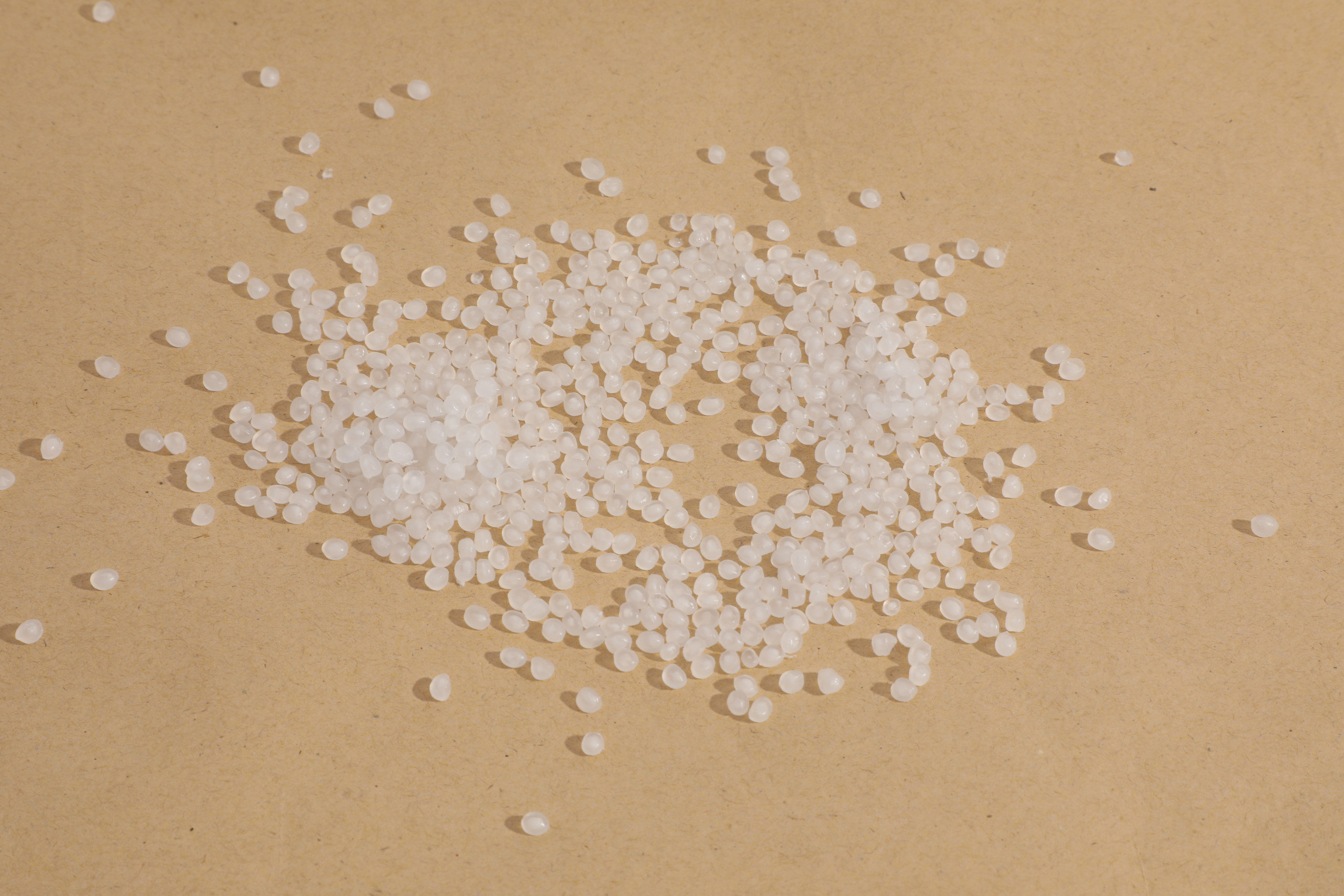

Polypropylene (PP) is everywhere. From automotive bumpers and medical syringes to food containers and battery casings, this versatile thermoplastic dominates the modern manufacturing landscape. Yet, for all its utility, PP harbors a dirty secret: it is notoriously difficult to bond. Engineers, designers, and production managers have spent decades wrestling with failed adhesion, delamination, and production delays caused by this single material.
“The trick” isn’t a secret formula, nor is it a miracle adhesive that solves everything overnight. Rather, it’s a systematic, science-driven approach that fundamentally reframes how we think about PP bonding. And as we explore this approach, one company—CISKO NEW MATERIAL—has quietly become a go-to resource for those who need more than just theory: they need real-world solutions, backed by reliable materials like Valiant PEI and Ultem™ PEI, to bridge the gap between impossible and possible.
Before we reveal the trick, we need to understand why PP is so stubborn. The answer lies in its chemistry.
Polypropylene is a non-polar, semi-crystalline polymer. Its molecular structure consists of long hydrocarbon chains with no functional groups—no oxygen, no nitrogen, no polar sites—that could form strong chemical bonds with conventional adhesives. Think of it like trying to glue two sheets of Teflon together: the surface is inert, low-energy, and slick.
Surface Energy: PP has a surface energy of approximately 29-31 mJ/m². For an adhesive to wet out a surface—to spread and form intimate contact—the adhesive’s surface tension must be lower than the substrate’s surface energy. Most common adhesives (epoxies, cyanoacrylates, polyurethanes) have surface tensions in the 30-50 mJ/m² range. This mismatch means they bead up rather than spread, resulting in weak bonds.
Crystallinity: The semi-crystalline nature of PP introduces another complication. Crystalline regions are tightly packed and resistant to solvent swelling, while amorphous regions are more accessible. This heterogeneity causes inconsistent bond performance across the same part.
Lack of Chemical Reactivity: Without polar groups, PP cannot form hydrogen bonds or covalent bonds with adhesive molecules. The only mechanisms left are mechanical interlocking (which requires surface roughening) and secondary forces (van der Waals), which are inherently weak.

According to an industry report on engineering plastics adhesion, untreated PP typically achieves bond strengths of only 0.5-1.5 MPa with standard structural adhesives. By contrast, a polar material like polycarbonate can routinely exceed 10 MPa under the same conditions. This three- to ten-fold performance gap has cost manufacturers billions in rejected parts, rework, and warranty claims.
I recently spoke with a production engineer at a leading automotive supplier—let’s call him “Mark.” Mark’s team was assembling battery pack components using PP-based insulation sheets. Their bonding process involved a two-part polyurethane adhesive, followed by a 24-hour cure cycle. Despite rigorous process controls, nearly 15% of assemblies failed peel tests. “We tried everything,” Mark said. “Different adhesives, longer cure times, even sanding the surface. Nothing worked consistently.”
The result? Repeated production delays, frantic phone calls to material suppliers, and mounting pressure from customers who couldn’t understand why a “simple” plastic bond was so hard to get right.
Mark’s story is not unique. I have encountered dozens of similar situations across aerospace, medical device, electronics, and industrial equipment sectors. The pain is universal: long lead times, inconsistent quality, and hidden costs that erode margins and damage reputations.
Most engineers tackling PP bonding reach for one of three standard solutions. Let’s examine why each has limitations.
The logical first step is to roughen the surface (e.g., with sandpaper or grit blasting) to increase mechanical interlocking, then apply a solvent-based adhesive that can slightly swell the PP surface for better penetration.
Why it fails: While abrasion does increase surface area, it does nothing to change the fundamental chemical inertness of PP. Solvents like xylene or toluene can partially swell PP, but this effect is inconsistent and often leads to stress cracking. Moreover, the adhesion remains reliant on weak secondary forces, which degrade over time under humidity and thermal cycling.
A study by a materials testing laboratory found that sanded PP joints with cyanoacrylate adhesive achieved an initial lap shear strength of 2.1 MPa. After 500 hours of exposure to 85°C/85% RH environment, that dropped to 0.8 MPa—a 62% loss.
These surface activation techniques use thermal or electrical energy to oxidize the PP surface, creating polar groups (e.g., hydroxyl, carbonyl, carboxyl) that enhance wetting and chemical bonding.
Why it falls short: The activated surface is temporary. Within hours (in some cases, minutes) of treatment, the polar groups reorient away from the surface or react with atmospheric contaminants, restoring the original low-energy state. For mass production, this requires stringent process timing: treat immediately before bonding. Any delay means inconsistent results.
A production manager at a medical device factory once told me they had to install a corona treater directly on the assembly line, with bonding occurring within 30 seconds of treatment. “If the conveyor stops for a coffee break,” she said, “you lose a whole batch.”
Two-part primer systems—where a reactive primer is applied to etch or functionalize the surface, followed by the main adhesive—are widely used for polyolefins.
Why it fails: Cost and complexity. Primers add an extra process step, require careful mixing and application, often have short pot lives, and introduce solvent emissions that must be managed. For high-volume production, the cumulative cost of primer, labour, ventilation, and quality control can be prohibitive.
According to a cost analysis by an industrial adhesives association, using a primer system adds 20-35% to the total bonding cost per part. For a product that requires hundreds of thousands of bonds, that adds up quickly.
I recall a situation where a customer was using a chlorinated polyolefin primer for PP bonding. The manufacturer recommended a shelf life of 90 days. The customer’s inventory had been sitting for 120 days. They applied it anyway, and the entire batch of 5,000 parts failed final quality inspection. The cost in scrap alone exceeded $50,000.
Here is the insight that separates those who struggle with PP from those who master it: PP bonding is not an adhesive problem. It is a surface engineering problem. The trick is to stop thinking about “which glue works on PP” and start thinking about “how can I create a surface that any high-performance adhesive can bond to?”
Atmospheric-pressure plasma systems can deposit a nanoscale (5-50 nanometer) coating onto the PP surface that contains reactive functional groups, such as amines, silanes, or epoxies. Unlike corona treatment, this coating does not reorient or degrade over time. The result is a permanent, chemically active surface that remains bondable for weeks or even months—if properly stored.
Why this works: The PECVD process grafts a thin polymer-like layer onto the PP, containing functional groups that can form covalent bonds with epoxy, polyurethane, or acrylic adhesives. This is not a temporary activation; it is a permanent chemical transformation of the interface.
Application example: A manufacturer of PP medical IV connectors used PECVD to deposit a 20nm amine-functionalized layer. With a standard medical-grade cyanoacrylate, bond strength increased from 1.2 MPa (untreated) to 8.5 MPa (treated), and the bonds passed 10,000 cycles of fatigue testing without failure.
CISKO NEW MATERIAL has observed growing interest among their aerospace customers for this approach. When bonding PP-based composites to metal brackets, engineers found that combining PECVD with a high-temperature resistant adhesive, such as those compatible with Ultem™ PEI parts, produced joints that survived thermal cycling from -55°C to +120°C.
Silanes are hybrid molecules containing both an inorganic reactive group (e.g., methoxy or ethoxy) and an organic functional group (e.g., epoxy, amino, or methacrylate). They work by hydrolyzing to form silanol groups, which then condense with hydroxyl groups on the substrate surface.

But PP has no hydroxyl groups—so how does this help? The key is to use an organofunctional silane that also contains a polyolefin-compatible segment. These specialty silanes have a “tail” that is miscible with PP, allowing the molecule to diffuse into the amorphous regions of the polymer. Once there, the silane crosslinks in the presence of moisture, creating a molecularly interlocked network that bridges the PP and the adhesive.
Technical detail: The silane is typically applied as a dilute (0.5-2% by weight) solution in a water/alcohol mixture, then dried to drive off the solvent and activate condensation. The resulting layer is only a few molecular layers thick but provides remarkable adhesion improvement.
Data point: In a lab test comparing lap shear strength of epoxy-bonded PP joints, those with untreated surfaces averaged 1.0 MPa. Those with a silane coupling agent (a proprietary amino-functionalized silane) averaged 5.2 MPa—a 420% improvement.
Real-world case: A tier-one automotive supplier using PP for under-hood covers needed a bond that could withstand continuous exposure to engine oil at 125°C. Standard adhesives failed within weeks. After integrating a silane primer into their process—and selecting a heat-resistant adhesive that formed a strong interface with the treated surface—the assemblies passed 1,000 hours of oil immersion at temperature with no degradation.
CISKO NEW MATERIAL has collaborated with customers exploring silane-treated PP surfaces for bonding with high-performance materials like Valiant PEI in hybrid assemblies. The combination of a treated PP interface and a mechanically robust PEI reinforcement creates a joint that leverages the best of both materials.
For parts that involve an over-molded component—such as a PP housing with a rubber gasket or a metal insert—the most elegant solution is to eliminate the bonding step entirely by creating a chemical bond during the molding process.
How it works: In multi-shot injection molding, a first shot (e.g., PP) is partially cooled, then a second shot (e.g., thermoplastic elastomer, TPE, or PEI) is injected onto it. The heat and pressure at the interface cause localized melting and interdiffusion of the polymer chains. For some material pairings, this creates a chemical weld that is stronger than the bulk materials themselves.
Key insight: The trick here is material selection. Not all PP grades are compatible with over-molding TPU or TPE. The PP must have a specific melt flow index (MFI) and additive package to promote interfacial diffusion. The second shot material must also have a melting temperature close enough to the PP to induce melting without degrading it.
Application example: A manufacturer of handheld power tools needed a PP handle with a soft-grip TPE over-mold. Initial trials with standard PP/TPE combinations produced delamination after 200 hours of UV exposure. By switching to a specialized bonding-grade PP from a material supplier and a TPE formulated for over-molding, peel strength increased from 1.5 N/mm to 12 N/mm—a 700% improvement.
For high-temperature applications requiring the over-molding of a PP component with a PEI-based material, like those found in the Ultem™ PEI product range, careful control of mold temperature and cycle time is critical. The Tg of PEI (217°C) is well above the processing temperature of PP (typically 190-230°C), meaning the PP may not fully melt the PEI interface. In these cases, surface treatment of the PEI prior to over-molding—using a method like plasma activation—can create a roughened, chemically active surface that mechanically and chemically interlocks with the incoming PP melt.
| Challenge | Root Cause | Recommended Solution | When to Consider |
|---|---|---|---|
| Low bond strength with epoxy/acrylic | PP surface is inert, non-polar | PECVD functionalization | High performance required; bond must withstand thermal/chemical cycling |
| Bond degrades over time (humidity, heat) | Weak secondary forces dominate | Silane coupling agent | Humidity or immersion environment; long-term reliability needed |
| Over-molding delamination | Incompatible melt temperatures, poor wetting | Multi-shot optimization + material selection | High-volume production; part is designed for over-molding |
| Process too slow (primer step, limited pot life) | Multiple process steps, timing constraints | Combination of PECVD + one-part adhesive | Mass production; lean manufacturing goals |
Challenge: A manufacturer of EV battery packs was using PP sheets as electrical insulators between cells. The PP needed to be bonded to a stainless steel bracket with a structural adhesive, and the joint had to withstand vibration, thermal cycling (-40°C to +80°C), and exposure to electrolyte fluids.
Approach taken: The manufacturer combined plasma PECVD treatment of the PP surface with a two-part epoxy adhesive. The PECVD layer deposited a nanometer-thick epoxy-compatible coating, allowing the adhesive to form covalent bonds.
Result: Lap shear strength increased from 1.8 MPa (untreated) to 7.3 MPa (treated). The assemblies passed 500 hours of thermal cycling and 100 hours of electrolyte immersion with no measurable degradation.
Insight from the engineering lead: “We had tried four different adhesives and two primer systems over six months. The switch to PECVD wasn’t cheap upfront—about $0.12 per part—but the elimination of scrap and rework saved us over $200,000 in the first year alone.”
Challenge: A medical device company needed to bond a PP housing to a silicone rubber gasket for a wearable diagnostic device. The bond had to be biocompatible (ISO 10993), pass 10,000 cycles of flex testing, and be manufacturable in a cleanroom environment.
Approach taken: The team used a specialized silane coupling agent applied via a cleanroom-compatible spray process. The silane was air-dried for 10 minutes, then a UV-curable medical-grade adhesive was applied and cured under UV light.
Result: Peel strength exceeded 15 N/25mm, and all assemblies passed 10,000 flex cycles. The process cycle time was under 5 minutes per part, meeting the production throughput requirement.
What the process engineer said: “The silane approach was a game-changer. It gave us a robust bond without adding toxic primers or requiring flame treatment in a cleanroom. The key was getting the silane concentration and drying conditions right—we spent two months on optimization alone.”
Challenge: A manufacturer of PP chemical storage tanks needed to bond a PP pipe fitting to a PP tank wall, with the joint resistant to aggressive chemicals (sulfuric acid, 50% concentration at 60°C).
Approach taken: The engineering team designed a two-piece joint with a mechanical interlock (grooved surface) combined with a silane-treated PP surface and a fluoropolymer-based adhesive.
Result: After 6 months of continuous immersion testing, the joint showed no signs of chemical attack, leakage, or delamination. The bond was actually stronger than the surrounding PP material.
Observations from the project manager: “We had previously used solvent welding, which worked for a few weeks before cracking. This approach gave us a permanent solution. The cost was higher, but the maintenance savings more than made up for it.”
No matter how sophisticated your surface engineering, if the base materials—PP, adhesive, and any interface material—are not compatible, the bond will fail. This is where a trusted partner like CISKO NEW MATERIAL becomes valuable.
The PP grades used in high-performance applications often contain additives: slip agents, antistatic agents, UV stabilizers, flame retardants, and nucleating agents. Each of these can migrate to the surface during molding, creating a weak boundary layer that prevents effective bonding.
Slip agents (e.g., erucamide) are particularly problematic. They bloom to the surface and act as a release layer, reducing adhesion to near-zero regardless of surface treatment.
Antistatic additives can interfere with plasma activation by coating the surface with a conductive film that dissipates the electrical energy before it can create functional groups.
The solution: Work with suppliers who can provide PP grades with known, consistent additive packages, and verify surface cleanliness before bonding.
A leading manufacturer of PP automotive interior parts reduced their bond failure rate from 8% to 0.3% simply by switching to a PP grade specifically formulated for secondary bonding, which contained no migrating slip agents.
Many advanced assemblies require bonding PP to engineering plastics like PEI, PEEK, or PSU. These materials present even greater challenges due to their high melting points and chemical resistance.
For example, when a customer needed to bond a PP housing to a Valiant PEI internal bracket, CISKO NEW MATERIAL recommended a hybrid approach: mechanical fasteners for initial alignment, combined with a silane-primed PP surface and a high-temperature-resistant epoxy adhesive. The resulting assembly passed thermal shock testing from -40°C to +150°C, meeting the requirements of a demanding aerospace application.
The world of PP bonding is evolving rapidly. Let’s look at three trends that will shape the next decade.
Laser surface treatment offers precise, localized activation of PP surfaces without the need for chemical primers or gas plasma systems. A focused laser beam can ablate the surface layer, creating micro-roughness and exposing fresh, reactive polymer chains. When combined with in-line monitoring, this process is highly repeatable and can be integrated into fully automated production lines.
Current status: Several equipment manufacturers now offer industrial-grade laser systems for PP bonding. A recent study showed lap shear strengths of 6.8 MPa for laser-treated PP bonded with polyurethane adhesive, compared to 1.2 MPa for untreated.
As sustainability becomes a priority, the market is seeing increasing interest in bio-based adhesives derived from plant oils, lignin, or starch. These adhesives often have different polarities and reactivity compared to petroleum-based counterparts.
Challenges: Many bio-based adhesives have poor initial wetting on non-polar surfaces. However, researchers are developing compatibilizers that bridge the gap between bio-based chemistries and PP.
Opportunities: An initial production trial in Europe used a soy-protein-based adhesive with a plasma-treated PP surface to create structural bonds for interior automotive panels. The process eliminated volatile organic compound emissions and reduced the carbon footprint by 60% compared to conventional systems.
The interplay of surface treatment parameters, adhesive selection, cure conditions, and part geometry is too complex for purely empirical optimization. Machine learning models—trained on historical bond test data—can predict optimal process windows for specific PP grades and adhesive systems.
Early adopters: A major aerospace manufacturer has deployed a neural network model that predicts lap shear strength based on 12 input parameters, including plasma treatment power, exposure time, adhesive viscosity, and ambient humidity. Initial validation showed that the model’s predictions were within ±8% of actual test values, reducing process development time by months.
If you came here looking for a single adhesive that works on every PP, or a one-step primer that guarantees success, the honest answer is: it doesn’t exist. The trick to bonding polypropylene is to stop looking for quick fixes and start engineering the interface.
Three takeaways to remember:
Surface is everything. The first 50 nanometers of material determine bond quality. Treat PP as an inert surface that must be activated or coated for reliable adhesion.
Match the method to the mission. Not every application needs PECVD. For low-stress, short-term assemblies, a well-chosen silane primer may suffice. For mission-critical, long-life components, invest in permanent functionalization.
Partner with experts who have been there. Companies like CISKO NEW MATERIAL exist because experienced engineers know that material selection, technical support, and reliable supply chains are just as important as process knowledge. Their work with Ultem™ PEI and Valiant PEI demonstrates that bridging the gap between impossible and possible often requires not just one trick, but a toolbox of solutions and a partner who knows how to use them.
The landscape of PP bonding will continue to shift. But the fundamental principle remains: respect the chemistry of your materials, design your surfaces with precision, and never stop asking why things fail. That is the real trick—and if no one told you, now you know.


Leave a comment