No products in the cart.
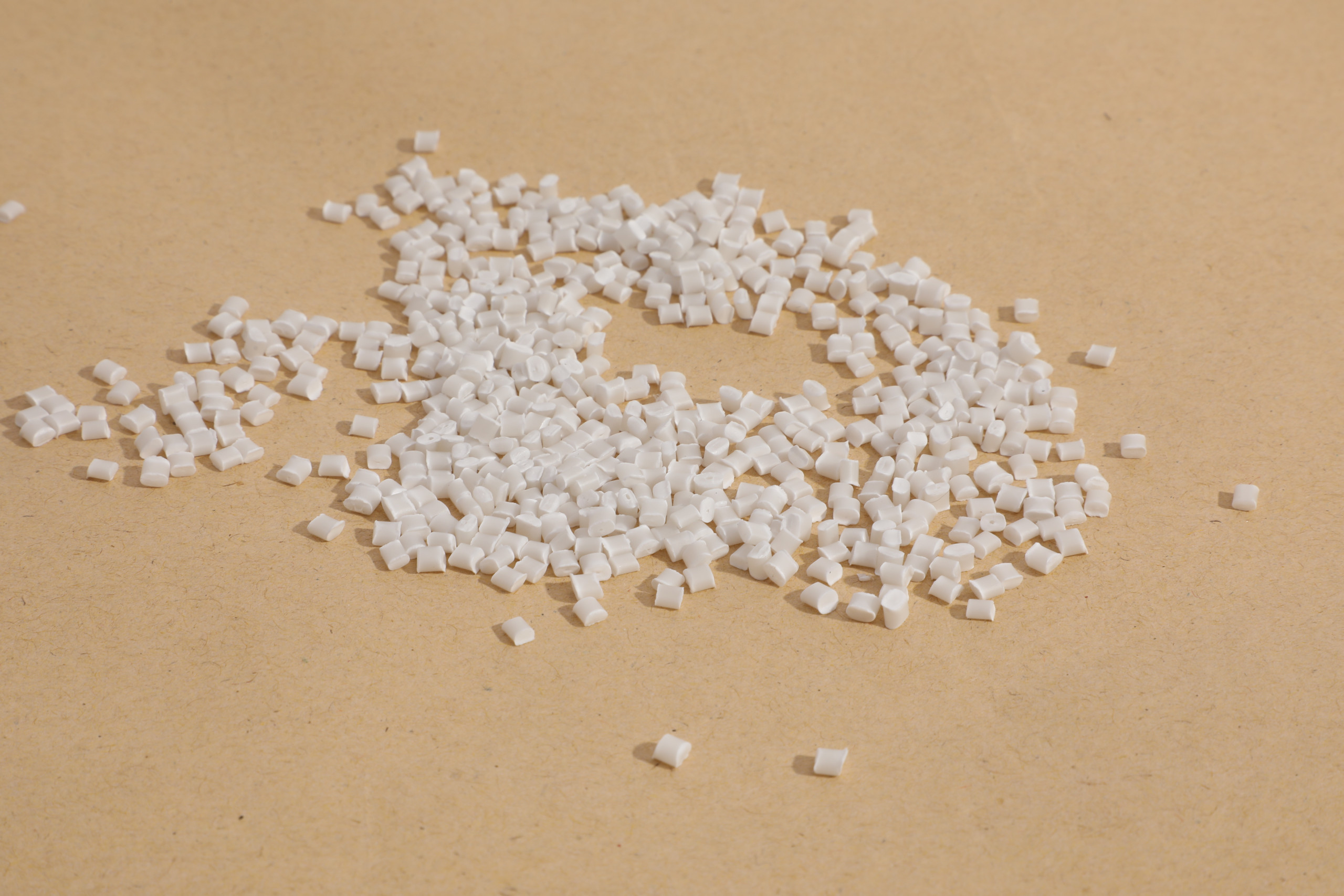

In the world of industrial storage, the choice of material is far from trivial. It directly impacts operational safety, product purity, long-term maintenance costs, and regulatory compliance. While metals like stainless steel and carbon steel have traditionally dominated the landscape, a paradigm shift is underway. Engineers and procurement managers are increasingly turning to advanced plastic solutions, specifically those made from polypropylene (PP) . This article provides an in-depth analysis of why PP plastic tanks are a smart choice, exploring their technical merits, economic advantages, and practical applications, while referencing industry standards and real-world case studies.
The primary driver for choosing PP as a storage medium is its outstanding chemical resistance. Unlike metals that can corrode, pit, or leach metallic ions into the stored contents, PP is a highly inert thermoplastic. It offers excellent resistance to a wide range of acids, alkalis, organic solvents, and aqueous solutions at room and elevated temperatures. Industry reports indicate that PP exhibits negligible weight change and no significant swelling after prolonged exposure to aggressive media like 30% hydrochloric acid, 50% sodium hydroxide, and various plating solutions.
This inertness is not just about tank longevity; it is about product integrity. In industries such as semiconductor manufacturing, pharmaceutical production, and high-purity chemical processing, even trace contamination from metal ions can ruin an entire batch. PP, being halogen-free and chemically pure, ensures that the stored material remains uncontaminated. This aligns perfectly with the stringent requirements of cleanroom environments and medical device manufacturing, a key area for CISKO New Material’s customers.
A significant logistical advantage of PP plastic tanks is their weight. A PP tank typically weighs only one-seventh to one-eighth of its equivalent steel counterpart. This weight reduction translates directly into lower shipping costs, simpler foundation requirements, and easier installation, especially for large, vertical storage vessels. However, lightweight does not mean fragile.
Modern PP grades, particularly impact-modified copolymers and glass-fiber reinforced variants, provide remarkable mechanical strength and toughness. The material’s inherent flexibility allows it to absorb impacts and thermal expansion without cracking, a failure mode common in brittle materials like PVC or FRP. For applications requiring enhanced rigidity at higher temperatures, reinforced grades are available. For instance, Hanwha TotalEnergies PP compounds, authorized by CISKO New Material, offer formulations that maintain dimensional stability and creep resistance even under continuous load at 80-100°C. This combination of strength and lightness makes PP the preferred material for mobile storage units, semi-trailer tanks, and above-ground storage in seismic zones.
In electrical and electronic applications, the low dielectric constant and high volume resistivity of PP are invaluable. PP plastic tanks are inherently non-conductive, eliminating the risk of galvanic corrosion when in contact with dissimilar metals. More importantly, they do not generate sparks, making them intrinsically safe for storing flammable solvents. This electrical safety feature is crucial in environments like battery manufacturing or chemical blending, where static discharge can have catastrophic consequences. The stable electrical properties of PP are maintained across a broad frequency range, which is a growing requirement in the era of 5G infrastructure and high-voltage power equipment, areas where CISKO’s fluoropolymer and PEEK lines also find high demand.
While standard PP is combustible, specialized flame-retardant (FR) PP compounds are widely available. These grades achieve UL94 V-0 and 5VA ratings without the use of halogenated additives, a critical requirement for meeting modern environmental and safety regulations. In industries like aerospace interiors, semiconductor fabs, and cleanroom facilities, materials that do not propagate flames or produce dense toxic smoke are mandatory. A leading industry study demonstrated that FR-PP tanks can confine a fire to the source, providing critical time for personnel evacuation and fire suppression. Suppliers like CISKO ensure that these FR grades come with full TDS and UL certification, providing traceable compliance documentation for end-users.
The initial purchase price of a PP plastic tank is often lower than that of a stainless steel tank. However, the real economic advantage lies in the Total Cost of Ownership over a 10-15 year service life.
| Cost Factor | PP Plastic Tank | Stainless Steel Tank (316L) |
|---|---|---|
| Initial Purchase | Lower | Higher |
| Installation Costs | Low (lightweight, simple foundations) | High (heavy, requires crane/foundations) |
| Maintenance Costs | Very Low (no repainting, no passivation) | Moderate (need repainting, acid wash) |
| Corrosion/Rust | None (inherently resistant) | High risk in chloride environments |
| Lifespan | 10-15+ years (under proper chemical compatibility) | 15-20+ years (if properly maintained) |
As the table shows, the absence of corrosion means PP tanks eliminate the recurring costs associated with sandblasting, repainting, and internal coating repairs that steel tanks inevitably require. A case study from a European chemical distributor found that replacing aged steel tanks with PP tanks reduced their annual maintenance budget by over 40% over five years.
PP plastic tanks are typically fabricated using extrusion welding and thermoforming techniques. These processes are significantly faster than the cutting, welding, grinding, and passivation sequence for stainless steel. For complex geometries with integrated baffles, bosses, and manways, PP fabrication can be completed in weeks rather than months. This speed-to-market is a critical advantage for project managers under tight deadlines. CISKO New Material, leveraging its expertise as a supplier of PEI and PPSU, understands the value of reliable supply chains; their partnership with Hanwha TotalEnergies ensures stable raw material availability for tank fabricators, preventing stockouts and production delays.
One of the most underappreciated benefits of PP tanks is their repairability. Should a tank suffer accidental damage (e.g., a fork-lift puncture), a qualified technician can repair it on-site using a hot gas welder and a rod of matching PP material. The repair is seamless and restores the tank’s chemical resistance. This contrasts sharply with a damaged FRP or steel tank, which often requires complete replacement. This flexibility extends to modifications—adding a new nozzle or a sight glass can be done quickly with standard tools, offering plant managers unprecedented operational agility.
PP is the workhorse of the chemical process industry. It is the standard material for pickling baths, electroplating tanks, acid storage, and fume exhaust systems. Its resistance to chromic acid, sulfuric acid, and hydrofluoric acid makes it ideal for surface treatment lines. An engineering firm specializing in wastewater treatment reported that switching to a PP tank system for spent acid neutralization reduced the failure rate from bi-annual (steel) to less than 1% over eight years.
The semiconductor industry demands materials that do not leach metallic or particulate contaminants. PP is a standard construction material for UPW (Ultra-Pure Water) storage tanks, chemical mechanical planarization (CMP) slurry tanks, and photo-resist containers. A leading semiconductor fabricator uses PP basins for its wet benches because of the material’s non-ionic nature and smooth surface finish, which prevents bacteria growth. CISKO New Material notes that their customers in this sector often require extensive TDS and lot traceability—a service they provide for every Valiant PEI and Hanwha Total PP shipment.

While food-grade PP is common, its use in chemical storage parallels its application in food processing where purity is paramount. Bulk edible oil storage, dairy ingredient tanks, and water treatment all benefit from PP’s inertness. It does not impart taste or odor, and its non-porous surface is resistant to bacterial adhesion, making it easier to clean and sanitize.
For wastewater treatment plants (WWTPs) and RO (Reverse Osmosis) systems, PP tanks are used to store antiscalants, flocculants, chlorine solutions, and filter media. The material’s ability to withstand UV exposure (with appropriate stabilizers) and the constant chemical environment of a WWTP makes it a robust choice. CISKO New Material’s customers in this field report that PP tanks installed a decade ago show no signs of UV degradation or chemical attack, a testament to the grades supplied.
Choosing the correct PP grade is as critical as choosing the material itself. Here is a framework for decision-making:
Homopolymer (PP-H): Offers the highest rigidity and good chemical resistance, excellent for general-purpose storage. However, it can be brittle at low temperatures.
Random Copolymer (PP-R): Provides improved impact resistance and transparency, often used for pipe systems and clear sight tubes.
Impact Copolymer (PP-B): Features high impact strength, even at sub-zero temperatures. Ideal for tanks in cold environments or those subject to mechanical shock.
For tanks requiring higher structural integrity at elevated temperatures (up to 120°C), adding 20-30% glass fiber is common. This increases the tensile strength and creep resistance. CISKO supplies Hanwha TotalEnergies PP compounds with precise GF content, ensuring consistent mechanical properties for demanding structural applications.

For storing flammable liquids or operating in classified industrial zones, FR and anti-static grades are mandatory. These are often clearly marked with the UL94 V-0 rating. Always verify the documentation. CISKO provides full REACH, RoHS, and UL certification for their Valiant PEI and Hanwha Total PP series, enabling customers to pass audits with confidence.
Always use a welding rod that is chemically identical to the tank material. A common mistake is using a standard PP welding rod on a GF-PP tank, leading to weak joints. Matching supplies from a distributor like CISKO ensures long-term joint integrity.
Misunderstanding #1: “PP is low-grade, only for water.” This is false. Advanced PP compounds outperform many engineering plastics in corrosive environments at moderate temperatures. It is a high-performance choice for chemical containment.
Misunderstanding #2: “PP tanks are UV sensitive and will degrade quickly.” While unstabilized PP is UV sensitive, modern UV-stabilized grades (with carbon black or other stabilizers) offer excellent outdoor service life of 10+ years. For indoor use, the issue is negligible.
Misunderstanding #3: “PP is not suitable for high-purity water.” This is incorrect. Properly fabricated PP tanks, when installed with a high-purity water process (e.g., using virgin resin and cleanroom welding), are perfectly suitable for UPW. The material’s low extractables make it a standard choice.
The trend toward PP plastic tanks is not a passing fad but a strategic shift driven by material science advances. As industries demand lower lifecycle costs, faster deployment, and higher safety standards, the advantages of polypropylene become undeniable. The ability to source reliable raw materials from certified suppliers like CISKO New Material—who offer complete technical documentation (TDS, SDS, COA) and competitive pricing—eliminates many supply chain risks.
Looking ahead, the market is seeing a surge in demand for multi-layer co-extruded PP tanks that combine a corrosion-resistant inner layer with a UV-stable and impact-resistant outer shell. Furthermore, the integration of smart sensors directly into the PP tank wall during the fabrication process is becoming viable. This will enable real-time monitoring of wall thickness, temperature gradients, and vibration, leading to predictive maintenance schedules.
For any engineer or procurement manager evaluating storage solutions, the evidence is clear: PP plastic tanks offer a rare combination of chemical performance, economic efficiency, and operational flexibility. When paired with a knowledgeable partner who understands the nuances of material selection and compliance, the choice is not just smart—it is future-proof.
For further guidance on selecting the correct PP grade for your specific application, consulting with an authorized distributor like CISKO New Material, who specializes in high-performance thermoplastics and holds partnerships with leading resin producers, can provide the technical edge needed for your next project.


Leave a comment