No products in the cart.
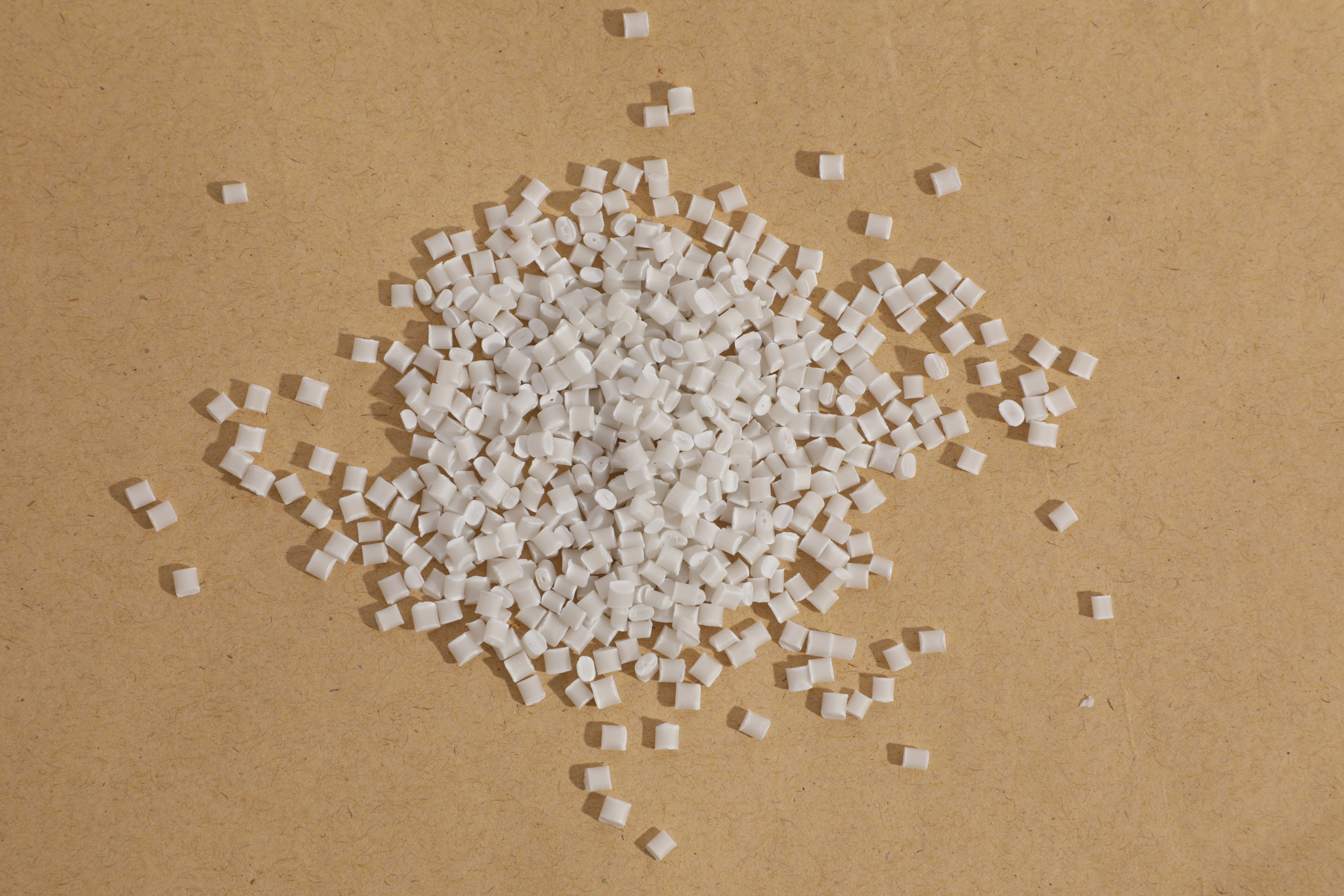

Walk into any supermarket, automotive factory, medical device manufacturing facility, or electronics assembly line, and you will encounter one material that has quietly become the backbone of modern manufacturing: polypropylene (PP). From your child’s lunchbox to the bumper of your car, from surgical masks to food packaging, PP plastic has achieved a level of ubiquity that few other materials can match.
But why exactly is PP everywhere? And more importantly, why should you, as an engineer, designer, procurement professional, or business owner, pay attention to this seemingly humble thermoplastic?
This article takes a deep dive into the world of polypropylene, exploring its unique material properties, manufacturing advantages, diverse applications, and the environmental challenges it faces. We will also examine how the industry is evolving, including the development of advanced PP compounds and the role of specialized suppliers like CISKO NEW MATERIAL in providing high-performance alternatives. By the end, you will understand not just why PP plastic dominates the market, but also the critical considerations for selecting the right material for your specific application.
To understand why PP plastic is everywhere, we must first understand what makes it tick at the molecular level.
Polypropylene is a thermoplastic polymer belonging to the polyolefin family, which also includes polyethylene (PE). Its chemical structure is relatively simple: a long chain of carbon atoms, with each carbon bonded to two hydrogen atoms and a methyl group (-CH₃) attached to every other carbon. This methyl group is the key difference between PP and polyethylene, giving PP its unique properties.

The arrangement of these methyl groups along the polymer chain determines the type of PP:
Isotactic PP: All methyl groups are on the same side of the chain. This structure is highly crystalline, giving the material excellent stiffness, strength, and heat resistance.
Atactic PP: Methyl groups are randomly arranged, resulting in an amorphous, rubbery material with lower strength and heat resistance.
Syndiotactic PP: Methyl groups alternate sides, producing a material with intermediate properties.
Most commercial PP is isotactic, accounting for about 95% of global production.
The widespread use of PP is no accident. It offers a combination of properties that make it uniquely suited to a vast range of applications:
1. Excellent Chemical Resistance – PP is highly resistant to many chemicals, including acids, bases, and organic solvents. This makes it ideal for containers holding laboratory reagents, automotive fluids, and household cleaners.
2. Low Density – With a density of only 0.905 g/cm³, PP is the lightest commodity plastic. This translates directly to lower transportation costs and lighter end products, a critical advantage in automotive and packaging industries.
3. High Melting Point – PP has a melting point of approximately 160–170°C, significantly higher than polyethylene. This allows it to withstand hot-fill packaging processes and be used in applications with moderate thermal exposure.
4. Excellent Fatigue Resistance – PP can withstand repeated bending and flexing without breaking. This is why the living hinge on a bottle cap or a food container works reliably thousands of times without failure.
5. Good Electrical Insulation – PP has excellent dielectric properties, making it suitable for electrical and electronic applications, including capacitors and cable insulation.
6. Ease of Processing – PP can be processed using virtually all thermoplastic manufacturing methods: injection molding, extrusion, blow molding, thermoforming, and 3D printing. This versatility is a major driver of its ubiquity.
7. Cost-Effectiveness – Perhaps most importantly, PP is one of the cheapest plastics to produce. The raw materials (propylene monomer) are derived from petroleum refining and natural gas processing, and the polymerization process is well-established and efficient.

However, PP is not without its limitations. Its continuous use temperature (RTI – Relative Thermal Index) is typically around 90–120°C, which means it cannot match the high-temperature performance of engineering plastics like polyetherimide (PEI) or polyetheretherketone (PEEK). This is a critical consideration for applications involving sustained exposure to temperatures above 100°C, such as under-hood automotive components or medical sterilization equipment.
For those demanding higher performance, materials like PEI (such as SABIC Ultem™ or Valiant PEI from CISKO NEW MATERIAL) become necessary, offering continuous use up to 170°C and an inherent UL94 V-0 flame rating.
The true testament to PP’s versatility is its presence across virtually every industry. Let us break down the major application domains.
The packaging industry accounts for nearly 40% of global PP consumption. This dominance is driven by several factors:
Food Packaging: PP’s resistance to moisture, oils, and chemicals makes it ideal for food containers. It is also FDA-compliant for direct food contact. Common examples include yogurt cups, margarine tubs, ketchup bottles, and microwaveable meal trays.
Flexible Packaging: PP films, particularly biaxially oriented polypropylene (BOPP), are widely used for snack packaging, candy wrappers, and cigarette packaging. BOPP films offer excellent clarity, printability, and moisture barrier.
Rigid Packaging: PP is used for bottle caps, closures, and large containers. The living hinge capability of PP is the reason single-piece caps work so reliably.
The automotive industry has increasingly turned to PP as a lightweight alternative to metals and more expensive engineering plastics.
Interior Components: Dashboard panels, door trims, pillar covers, and seat structures are often made from PP compounds. Mineral-filled PP grades provide the necessary stiffness and dimensional stability.
Exterior Components: Bumpers, front-end modules, and wheel arch liners are commonly molded from PP impact copolymers, which offer excellent impact resistance even at low temperatures.
Under-the-Hood: While PP cannot match the thermal performance of PEI or PEEK, it is used in battery cases, cooling system components, and air intake manifolds where temperatures remain within its range.
PP is one of the few plastics that can be sterilized by steam autoclaving (at 121°C), making it suitable for medical devices and laboratory equipment.
Syringes and IV Components: Disposable syringes are almost universally made from PP because of its clarity, stiffness, and resistance to chemical degradation.
Medical Trays and Containers: Surgical instrument trays, specimen cups, and sterilization wraps are commonly made from PP.
Textile Applications: PP fibers are used in surgical masks, gowns, and non-woven fabrics due to their low cost and resistance to bacterial growth.
Luggage and Storage: PP is used for storage bins, toolboxes, and luggage shells due to its impact resistance and low weight.
Furniture: Outdoor furniture, garden chairs, and storage units often use PP because of its UV resistance and weather durability.
Toys and Housewares: Children’s toys, kitchen utensils, and cleaning supplies are frequently made from PP.
While PP is less common in high-heat electronics (where PEI or PEEK are preferred), it does find use in:
Battery housings: For portable electronics and power tools.
Washing machine components: Pump housings and detergent dispensers.
Air conditioning units: Fan blades and grills.
As diverse as pure PP is, the material’s full potential is realized through compounding and blending. Modern PP compounds are engineered to overcome the material’s inherent limitations and open up new applications.
Mineral-Filled PP: Adding talc, calcium carbonate, or mica increases stiffness, dimensional stability, and heat deflection temperature. These compounds are widely used in automotive interior panels and appliance housings.
Glass-Fiber Reinforced PP: Adding glass fibers dramatically increases tensile strength and modulus, allowing PP to compete with more expensive materials in structural applications.
Impact-Modified PP: Elastomeric modifiers (e.g., EPDM rubber) are added to improve impact resistance, making PP suitable for bumpers and other parts subject to impact.
Companies like Hanwha TotalEnergies (one of CISKO NEW MATERIAL’s authorized partners) produce specialized PP compounds tailored to specific industry needs, including automotive exterior grades with excellent weather resistance, food-contact grades meeting global regulatory standards, and flame-retardant grades for electrical applications.
When comparing suppliers, it is important to note that while major global producers like Hanwha TotalEnergies, LyondellBasell, Borealis, and SABIC dominate the market, specialized distributors like CISKO NEW MATERIAL play a critical role in providing application-specific grades, technical support, and cost-effective alternatives. For example, CISKO’s portfolio includes both premium SABIC PEI and cost-competitive Valiant PEI, allowing customers to balance performance and cost. Similarly, their access to Hanwha PP compounds gives customers a reliable source for high-quality PP materials with documented compliance.
To understand PP’s position in the plastics landscape, it is helpful to compare it with other commonly used materials:
| Property | Polypropylene (PP) | Polyethylene (PE) | ABS | Polyamide (PA/Nylon) | Polyetherimide (PEI) |
|---|---|---|---|---|---|
| Density (g/cm³) | 0.90–0.91 | 0.92–0.96 | 1.04–1.06 | 1.02–1.14 | 1.27–1.30 |
| Tensile Strength (MPa) | 20–40 | 10–30 | 30–50 | 60–120 | 100–180 |
| Continuous Use Temp (°C) | 90–120 | 50–80 | 80–100 | 120–180 | 170–200 |
| Chemical Resistance | Excellent | Excellent | Fair | Good | Excellent |
| Cost (per kg) | Low | Low | Medium | Medium-High | High |
PP occupies the “sweet spot” of low cost, good performance, and easy processing. However, when application requirements exceed PP’s capabilities—especially in terms of thermal stability, flame resistance, or mechanical strength—engineers must look to higher-performance materials like PEI, PEEK, or polysulfones.
With such pervasive use comes significant environmental responsibility. PP plastic, like all plastics, faces mounting scrutiny regarding its environmental impact.
PP is technically recyclable, and it carries a recycling code #5. However, the reality is that only a small fraction of PP waste is currently recycled. According to industry reports, the global recycling rate for PP is only around 1–5%, far lower than that of PET or HDPE.
The challenges include:
Contamination: PP is often used in packaging that comes into contact with food, making cleaning and sorting difficult.
Degradation: Each recycling cycle degrades the polymer chains, reducing mechanical properties. Therefore, recycled PP is often “downcycled” into less demanding applications.
Economic Viability: Virgin PP is so cheap that recycled grades often struggle to compete on cost, particularly when sorting and cleaning costs are factored in.
The industry is actively developing alternatives to reduce PP’s environmental footprint:
Bio-PP: Polypropylene made from renewable biomass (e.g., sugarcane or corn) rather than fossil fuels. Major producers like LyondellBasell and Braskem are investing in bio-based PP production.
PP Blends with Bioplastics: Combining PP with biodegradable polymers to improve compostability, though this often compromises mechanical properties.
Advanced Mechanical Recycling: Technologies like solvent-based purification and melt filtration are improving the quality of recycled PP.
In applications where PP’s performance is insufficient, engineers may consider materials with longer service lives, reducing overall material consumption. For example, switching from a PP component that fails after 2 years to a PEI component lasting 10+ years reduces waste and replacement costs over the product lifecycle. This is particularly relevant in industrial equipment, aerospace, and medical devices, where reliability and longevity are paramount.
CISKO NEW MATERIAL, as a supplier of both commodity PP and high-performance PEI, PES, and PSU, helps customers evaluate the total cost of ownership—not just the initial material price, but also performance, durability, and end-of-life considerations.
Looking ahead, several trends will shape the future of PP plastic.
As the automotive industry transitions to electric vehicles (EVs), PP will continue to play a significant role. Battery housings, charging infrastructure components, and interior parts will still require PP’s lightweight and cost-effective properties. However, new standards for thermal management and flame resistance (e.g., UL 94 V-0 at thinner sections) may drive the adoption of more advanced PP compounds or engineering plastics like PEI in specific EV applications.
Governments worldwide are tightening regulations on single-use plastics and mandating higher recycled content in products. The European Union’s Packaging and Packaging Waste Regulation and similar policies in North America and Asia will push PP processors to incorporate more post-consumer recycled (PCR) PP.
Research continues into:
Higher heat PP: Advanced catalysts and polymerization techniques are pushing PP’s continuous use temperature toward 140–150°C.
Improved flame retardancy: Halogen-free flame retardant PP grades are becoming more common.
Nanocomposites: Adding nanofillers (e.g., clay or carbon nanotubes) to PP can achieve dramatic improvements in strength and barrier properties without adding significant weight.
Global disruptions (COVID-19, trade tensions, shipping delays) have highlighted the fragility of long supply chains. Companies are increasingly looking for reliable local suppliers who can provide consistent quality, rapid delivery, and application support. This is where specialized distributors like CISKO NEW MATERIAL differentiate themselves—by maintaining local inventory of critical grades (PP compounds, PEI, PPSU, etc.) and offering documented traceability through TDS, SDS, COA, and compliance with REACH, RoHS, FDA, and UL.
Polypropylene plastic is everywhere because it delivers an unmatched combination of properties—low density, chemical resistance, fatigue durability, easy processability, and low cost. It serves as the foundation material for industries as diverse as packaging, automotive, medical, consumer goods, and electronics. Yet its very ubiquity brings challenges: environmental concerns, recycling limitations, and the constant push to meet higher performance requirements.
For engineers and procurement professionals, the key takeaway is clear: PP is an excellent general-purpose material, but it is not a one-size-fits-all solution. When your application demands higher temperature resistance, inherent flame retardancy, or superior mechanical strength, you must look beyond PP to engineering plastics like polyetherimide (PEI), polyethersulfone (PES), or polyphenylsulfone (PPSU).
Whether you choose PP for cost-sensitive applications or advanced thermoplastics for demanding environments, partnering with a knowledgeable supplier makes all the difference. CISKO NEW MATERIAL, with its deep product portfolio spanning from Hanwha PP compounds to high-performance PEI, PES, PSU, and PEEK, offers the technical expertise and supply chain reliability needed to navigate today’s complex material landscape. By understanding the full spectrum of available materials—from commodity to specialist—you can make informed decisions that balance performance, cost, and sustainability.
Polypropylene may be everywhere, but the wisest engineers know exactly where to find it—and when to choose something better.


Leave a comment