No products in the cart.
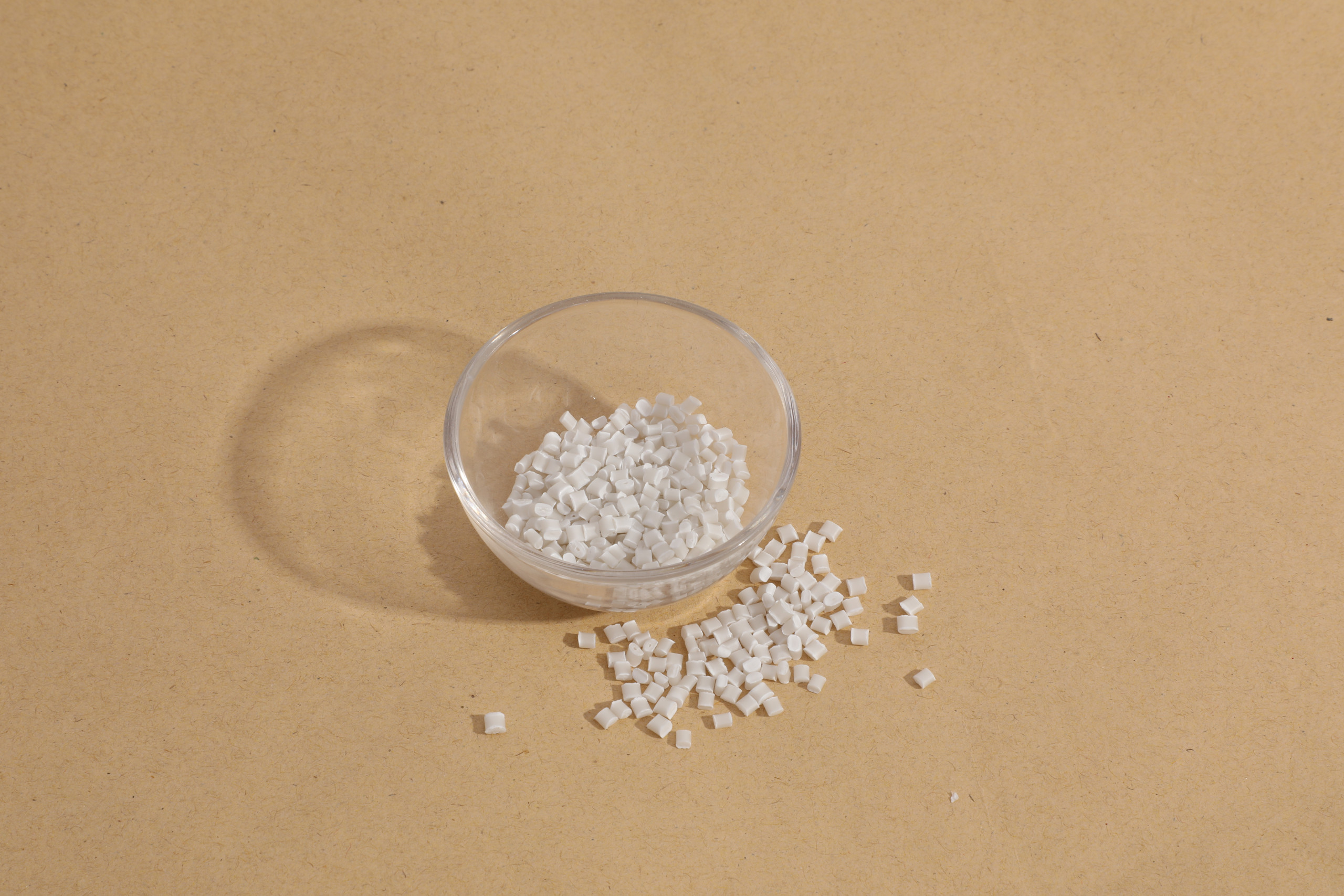

The global furniture industry is undergoing a profound transformation. Driven by tightening environmental regulations, shifting consumer preferences, and corporate sustainability pledges, manufacturers are increasingly turning to recycled materials. Among the most significant developments is IKEA’s ambitious use of recycled polypropylene (PP) plastic in its furniture lines. The Swedish giant has committed to using only renewable and recycled materials by 2030, and recycled PP plastic plays a central role in this vision.
But what makes recycled PP plastic suitable for furniture? How does IKEA ensure quality and performance in products made from post-consumer and post-industrial waste? And what does this mean for the broader engineering plastics industry, particularly for companies that supply high-performance materials for demanding applications?
This article provides an in-depth analysis of IKEA’s recycled PP plastic strategy, examining the material science, supply chain implications, and the lessons for manufacturers worldwide. We will also explore how the shift toward sustainable materials is reshaping the landscape for engineering plastics suppliers, including specialized distributors like CISKO New Material, who serve industries where material performance is non-negotiable.
Polypropylene (PP) is a thermoplastic polymer that has become ubiquitous in modern manufacturing. Its properties make it particularly well-suited for furniture applications:
Lightweight yet strong: PP has a density of approximately 0.90–0.91 g/cm³, making it one of the lightest commodity plastics. Despite this, it offers good tensile strength and impact resistance.
Chemical resistance: PP resists many solvents, bases, and acids, making it durable in various environments.
Moisture resistance: Unlike wood or natural fibers, PP does not absorb moisture, preventing warping, swelling, or decay.
Flexural fatigue resistance: PP can withstand repeated bending without cracking, ideal for hinges, snap-fits, and other moving parts in furniture.
Cost-effectiveness: PP is relatively inexpensive compared to engineering plastics like PEI or PEEK, making it accessible for mass-market products.
IKEA’s choice of PP for its recycled content initiative is strategic. The material is widely recycled, with established collection and processing infrastructure in many countries. Moreover, PP retains much of its mechanical properties after recycling, especially when properly sorted and processed.
IKEA’s ODDGERÖD series of chairs and tables is emblematic of the company’s commitment to recycled materials. According to IKEA’s published documentation, the ODDGERÖD chair is made from approximately 100% recycled polypropylene, sourced from post-industrial waste streams such as packaging and industrial scrap.
The series demonstrates that recycled PP can meet the aesthetic and functional requirements of modern furniture. The chairs have a clean, minimalist design, available in various colors, and are stackable for efficient storage—all properties that require consistent material quality and processing reliability.
However, IKEA’s success with recycled PP is not accidental. It results from rigorous material selection, process optimization, and quality control. One industry report indicates that IKEA works closely with its suppliers to ensure that the recycled PP feedstock meets strict specifications for melt flow index (MFI), impact strength, and color consistency. This level of control is essential when dealing with variable waste streams.
While recycled PP plastic offers sustainability benefits, it presents significant engineering challenges. Unlike virgin PP, which has consistent molecular weight and additive packages, recycled PP can vary in properties depending on its source, processing history, and contamination levels.
Degradation of molecular weight: Repeated processing cycles can break polymer chains, reducing mechanical strength and impact resistance.
Contamination: Mixed plastic waste, residual adhesives, or other materials can degrade performance.
Color inconsistency: Mixed-color feedstocks require additional sorting or the addition of pigments.
Volatile organic compounds (VOCs): Degraded polymers can release unpleasant odors or migrate into the surrounding environment.
IKEA addresses these challenges through several strategies:
Controlled sourcing: By prioritizing post-industrial waste over post-consumer waste, IKEA obtains more consistent feedstock. Post-industrial PP from production scrap has known composition and thermal history.
Advanced sorting: Optical sorting technologies separate PP from other plastics and contaminants.
Additive stabilization: Suppliers add heat stabilizers, antioxidants, and impact modifiers to compensate for degradation.
Stringent testing: Each batch of recycled PP resin undergoes testing for tensile strength, flexural modulus, and impact resistance before use in production.
The challenges IKEA has overcome with recycled PP offer valuable lessons for the engineering plastics sector, where performance requirements are even more demanding. For example, CISKO New Material, as a specialized supplier of high-temperature engineering plastics like PEI, PES, PSU, and PEEK, understands that material consistency is paramount in applications such as aerospace, medical devices, and 5G telecommunications.

A leading aerospace supplier recently noted that they require materials with documented traceability and batch-to-batch reproducibility. For recycled engineering plastics, achieving this level of consistency remains an industrywide challenge. However, the success of IKEA’s recycled PP initiative demonstrates that with proper controls, recycled content can meet rigorous standards.
IKEA’s recycled PP plastic supply chain is a model of circular economy principles. The process involves multiple stages:
IKEA sources post-industrial PP waste from manufacturing facilities and packaging suppliers. In some regions, the company also collaborates with municipalities to collect post-consumer PP items. Advanced sorting facilities use near-infrared (NIR) spectroscopy to separate PP from other plastics.
The sorted PP is washed, shredded, and melted. It is then extruded into pellets, which can be used in injection molding or extrusion processes. During this stage, additives like UV stabilizers or colorants may be introduced.
Before shipping, the recycled PP pellets are tested for:
Melt flow index (MFI) – typically 10–30 g/10 min for injection molding grades
Tensile strength – usually 20–30 MPa for recycled furniture grades
Impact resistance – measured via Izod or Charpy tests
Ash content – indicating the presence of fillers or contaminants
IKEA’s tier-1 suppliers use injection molding machines to produce furniture components. The recycled PP is processed at temperatures of 200–250°C, similar to virgin PP. However, care must be taken to avoid excessive shear or residence time, which can degrade the recycled material.
The molded parts are assembled into finished furniture, packaged, and shipped to IKEA stores worldwide. The ODDGERÖD chairs, for example, are designed to be flat-packed to minimize shipping volume.
IKEA does not produce recycled PP in-house. Instead, it partners with specialized recyclers and compounders who supply the recycled resin. This is similar to how manufacturers of high-performance products source materials from expert distributes. For instance, a company requiring PEI resin for 5G connectors or medical devices would turn to a supplier like CISKO New Material, which offers both SABIC Ultem™ PEI and Valiant PEI, ensuring traceability and technical support.
In the recycled PP space, suppliers provide the technical documentation—TDS, SDS, COA—that certifies material properties. This documentation is essential for passing audits and ensuring product compliance.
IKEA’s recycled PP plastic initiative is part of a broader sustainability strategy. The company has set ambitious goals:
Climate positive by 2030: Reduce more greenhouse gas emissions than the IKEA value chain emits.
100% renewable and recycled materials: Eliminate virgin fossil-based plastics.
Circular design: All products must be designed to be reused, repaired, or recycled.
These goals are driving innovation across the industry. For example, IKEA is exploring the use of recycled PES (polyethersulfone) and recycled PSU (polysulfone) for more demanding applications. While recycling of high-temperature engineering plastics is less common than PP or PET, technology is advancing.
The shift toward recycled materials is affecting the entire plastics supply chain:
Raw material prices: Recycled PP can be 10–30% cheaper than virgin PP, depending on oil prices and availability.
Carbon footprint: Using recycled PP reduces CO2 emissions by 60–80% compared to virgin resin, according to lifecycle analyses.
Regulatory compliance: The EU’s Single-Use Plastics Directive and extended producer responsibility (EPR) schemes are pushing companies to incorporate recycled content.
For distributors like CISKO New Material, this trend presents both opportunities and challenges. On one hand, customers in automotive, electronics, and medical devices are increasingly requesting materials with recycled content. On the other hand, these applications demand the same high performance as virgin materials, which can be difficult to achieve with recycled feedstocks.
Not all furniture or consumer products require the performance of engineering plastics. For many applications, recycled PP is perfectly adequate. However, there are situations where higher-performance materials are necessary:
| Requirement | Recommended Material | Example Application |
|---|---|---|
| High heat resistance (>100°C) | PEI, PES, PPSU | Aerospace interiors, medical sterilization trays |
| Chemical resistance to strong solvents | PEEK, PVDF | Semiconductor equipment, chemical processing |
| Electrical insulation in RF circuits | PEI, PTFE | 5G antennas, connectors |
| Flame retardancy without halogens | PEI (inherent V-0) | Public transport seating, marine interiors |
| High mechanical strength and stiffness | PEEK, glass-filled PEI | Structural brackets, pump housings |
IKEA’s recycled PP works well for chairs, tables, storage boxes, and kitchen accessories. But for components exposed to high heat or chemicals, engineering plastics remain necessary.
Consider a furniture component for a commercial kitchen: a shelf bracket that supports heavy loads near a stove. This bracket must resist:
Temperatures up to 120°C from nearby heat sources
Cleaning chemicals (alkaline or acidic detergents)
Continuous load without creep
Recycled PP would soften and deform under these conditions. Instead, a supplier would recommend glass-filled PEI or PPSU, which maintains stiffness at elevated temperatures and resists chemical attack. Companies like CISKO New Material provide these materials along with technical support for processing, mold design, and regulatory compliance.
IKEA’s success with recycled PP is inspiring similar initiatives using recycled engineering plastics. Several trends are emerging:
Mechanical recycling (melting and reprocessing) degrades polymer chains, limiting the use of recycled content. Chemical recycling—which depolymerizes plastics into monomers for repolymerization—offers a solution. This is particularly promising for PEI, PES, and PSU, which have high stability and can be depolymerized selectively.
Manufacturers are establishing take-back programs for post-industrial scrap. For example, a connector manufacturer might collect PEI sprues, runners, and rejected parts, and send them to a compounder for reprocessing into new grades. This reduces waste and supply risk.
Plant-based engineering plastics are entering the market. For instance, some PEI-like materials can be synthesized from bio-based monomers. However, cost and performance parity with fossil-based PEI remains a challenge.
Digital product passports that document material composition, recycled content, and end-of-life options are becoming standard in the EU. This transparency helps designers choose appropriate materials and facilitates recycling.
As the market for recycled engineering plastics grows, the role of distributors like CISKO New Material becomes more critical. They bridge the gap between material producers and end-users, providing:
Material selection advice: Which recycled grade meets the performance requirements?
Regulatory documentation: Is the material REACH, RoHS, UL, or FDA compliant?
Supply chain reliability: Can the supplier provide consistent quality and lead times?
Processing support: What are the optimal drying temperatures, mold design guidelines, and injection parameters?
Without these services, manufacturers risk production delays, quality issues, and compliance failures.
IKEA’s recycled PP plastic initiative is more than a sustainability story; it is a blueprint for how to integrate recycled materials into high-volume manufacturing without sacrificing quality. The company has demonstrated that:
Post-industrial waste streams are ideal feedstocks for recycled content due to their consistency.
Rigorous testing and quality control are essential for maintaining product performance.
Supplier collaboration and technical support are critical for success.
Consumer acceptance of recycled materials is high when products meet aesthetic and functional expectations.
For the engineering plastics industry, these lessons are directly applicable. While recycled PEI, PES, or PEEK are not yet as common as recycled PP, the path is being paved. Specialized suppliers stand ready to support manufacturers seeking sustainable alternatives for even the most demanding applications.
As sustainability requirements tighten, companies that ignore recycled content risk losing market share. Those that embrace it, with the right technical and supply chain partners, will lead the transition to a circular economy.
Whether you are designing a simple chair or a complex aerospace component, the principles remain the same: choose the right material, control the process, and partner with experts. IKEA has shown the way. The rest of the industry is learning fast.


Leave a comment