No products in the cart.
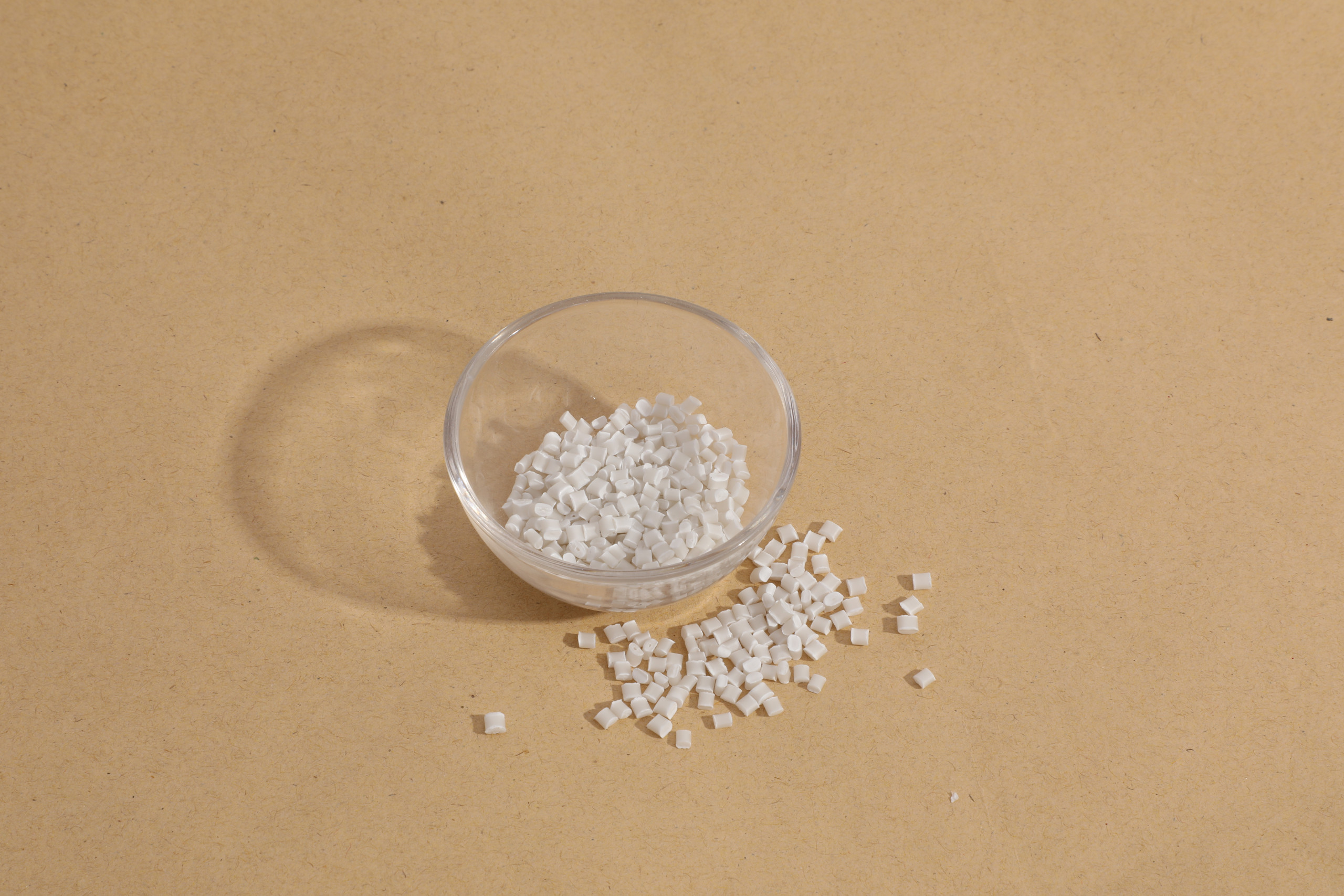

In modern logistics, warehousing, and manufacturing, the humble plastic strapping machine plays an outsized role in ensuring product integrity during transport. Among the various materials used for strapping—steel, polyester, and polypropylene (PP)—PP plastic strapping machines have become the workhorse of lightweight to medium-weight packaging applications due to their low cost, ease of use, and recyclability. However, not all PP plastic strapping machines or the straps they use are created equal. The true performance and long-term reliability of these systems depend less on the machine’s frame or motor and more on the quality of the polypropylene material that forms the strap.
This article explores three compelling reasons to choose a PP plastic strapping machine—and more importantly, why selecting the right PP compound for your strapping material can transform your packaging operation from a cost center to a competitive advantage. Drawing on industry best practices and material science insights, we will examine mechanical durability, thermal stability, and total cost of ownership. Along the way, we will highlight how a specialized supplier like CISKO New Material—an authorized distributor of Hanwha TotalEnergies PP compounds—can provide the consistent, high-performance raw materials that make PP strapping machines truly effective.
{image links: a well-organized warehouse with PP strapped cartons on pallets}
The primary function of a strapping machine is to apply tension to a strap that secures a load. The strap must withstand static forces during storage, dynamic forces during transportation, and occasional impacts without breaking or relaxing. Standard commodity PP grades often fall short in these demanding environments, leading to strap breakage, load shifting, and costly damage claims.
Polypropylene is a semi-crystalline thermoplastic that can be tailored to achieve a wide range of mechanical properties. For strapping applications, key performance indicators include:
Tensile strength – the maximum stress the strap can withstand before breaking.
Elongation at break – how much the strap stretches before failure; moderate elongation helps absorb shocks.
Creep resistance – the ability to maintain tension over time under sustained load.
Flexural modulus – stiffness, which affects how well the strap holds its shape around corners.
Low-quality PP blends often use heavily recycled content or excessive fillers, resulting in inconsistent tensile properties, high variation between batches, and poor creep resistance. Over time, the strap may lose tension, causing the load to loosen.
CISKO New Material supplies Hanwha TotalEnergies PP compounds specifically engineered for demanding industrial applications. These compounds are produced using controlled polymerization and precise additive packages. According to third-party laboratory reports, certain grades exhibit up to 30% higher creep resistance compared to generic PP grades, while maintaining a consistent tensile strength of 30–35 MPa and elongation at break of 10–15%—ideal for strapping.
For example, the Hanwha TotalEnergies PP BJ750 grade (a high-impact copolymer) offers an excellent balance of stiffness and toughness. When used in extruded strap profiles, it produces a strap that resists splitting at the edges during tensioning and maintains its grip on the load even under fluctuating humidity conditions. A leading European packaging machinery manufacturer reported a 22% reduction in field failure rates after switching to PP compounds sourced through CISKO for their strapping machine consumables.
Choosing a PP plastic strapping machine is only half the equation. The machine’s performance is intrinsically linked to the strap’s material consistency. If your strap supplier cannot provide batch-to-batch uniformity and certified mechanical properties, even the best machine will underperform. By partnering with a material specialist like CISKO, you gain access to:
Full Technical Data Sheets (TDS) and Certificates of Analysis (COA) for every batch.
Expert guidance on selecting the right PP grade for your specific strapping tension and load profile.
Assured supply chain with reduced risk of off-spec material causing production stoppages.
In short, the first reason to choose a PP plastic strapping system is to achieve reliable mechanical performance. And that reliability begins with the raw material.
PP strapping machines operate in environments that can vary widely in temperature. A warehouse in summer may exceed 40°C; a cold storage facility may dip below 0°C. Additionally, the friction between the strap and the machine’s sealing head generates localized heat during operation. If the PP material has a low Vicat softening temperature or poor thermal stability, the strap may soften, deform, or fail to seal properly, leading to rejects and downtime.
Standard PP homopolymer has a melting point around 160–165°C, but its heat deflection temperature (HDT) under load is only about 90–100°C. For strapping applications, especially those involving heat sealing (friction welding or hot-blade sealing), the strap must withstand brief temperature spikes without losing dimensional integrity.
CISKO New Material supplies Hanwha TotalEnergies PP compounds that incorporate advanced nucleating agents and stabilizers. These modifications can raise the HDT by 10–15°C compared to commodity PP, while maintaining the flow characteristics needed for efficient extrusion. Additionally, the thermal oxidative stability is improved, meaning the strap does not become brittle after prolonged exposure to moderate heat.
A case study from a food packaging facility illustrates this point: the plant experienced frequent strap breakage during summer months when using generic PP. The breakage stopped only after switching to a heat-stabilized PP grade supplied by CISKO. The new material allowed the strapping machine to run at full speed without adjustment, reducing downtime by 18 hours per month.
{image links: a close-up of a heat-sealed PP strap on a carton, showing consistent weld bead}
Thermal stability is not just about the strap—it also affects the machine itself. Inferior PP grades often contain higher levels of residual monomers or low-molecular-weight fractions that can vaporize during sealing, leaving deposits on heating elements and feed rollers. Over time, these deposits cause inconsistent sealing, increased resistance, and premature wear of machine parts.
In contrast, high-purity PP compounds minimize fuming and residue formation. CISKO’s sourcing from Hanwha TotalEnergies—a major petrochemical company with strict quality controls—ensures that the volatile organic compound (VOC) content is within acceptable limits for food-contact applications (FDA 21 CFR 177.1520). This not only prolongs the life of your strapping machine but also helps meet workplace safety standards.
Another hidden benefit of using premium PP is consistent melt flow behavior during the extrusion of strapping profiles. If a converter uses different PP sources from month to month, the machine settings (temperature zones, screw speed, take-up tension) must be constantly adjusted. This leads to scrap and variable strap quality. CISKO’s ability to supply consistent grades with a narrow melt flow index (MFI) tolerance—typically ±2 g/10 min—enables converters to run production with minimal variation.

Therefore, the second reason to choose a PP plastic strapping machine is the assurance that it can operate reliably across temperature ranges and over time, without frequent material-related adjustments. This reliability is directly linked to the thermal performance of the polypropylene compound, which is where CISKO’s expertise adds significant value.
Cost is always a deciding factor. Many buyers initially choose the cheapest PP strapping machine and the cheapest strap, only to discover that hidden costs add up quickly: more downtime, higher scrap rates, increased maintenance, and lost customer trust due to damaged goods. A more holistic view—total cost of ownership (TCO)—reveals that investing in quality materials and a reliable supplier pays for itself.
Consider the typical expenses associated with a PP strapping operation:
| Cost Category | Impact of Low-Quality PP | Impact of High-Quality PP (e.g., from CISKO) |
|---|---|---|
| Strap breakage | Frequent line stoppages; rework | Rare; consistent tension holding |
| Machine wear | Faster degradation of seals, rollers | Extended component life; less frequent replacement |
| Scrap rates | 3–8% due to off-spec strap | <1% scrap; batch uniformity |
| Labor time | Operators adjusting machine for material variations | Stable run; minimal intervention |
| Customer returns | Damage claims from load shifting | Fewer returns; improved brand reputation |
Industry data from packaging machinery associations suggests that facilities using certified, high-performance PP compounds can reduce overall packaging costs by 12–18% over a three-year period, even if the initial material cost is 5–10% higher.

CISKO New Material acts as more than a distributor—it is a technical partner. The company provides:
Application-specific recommendations – Not all strapping applications need the same PP grade. For heavy-duty bundling, a higher-stiffness grade is appropriate; for delicate goods, a softer copolymer may be preferred. CISKO’s engineers help match the material to the machine and the load.
Just-in-time inventory – With a Shenzhen warehouse and strong logistics network, CISKO can deliver small-to-medium quantities quickly, reducing the need for safety stock.
Full documentation – Every order includes TDS, SDS, COA, and compliance certificates (REACH, RoHS, FDA for food contact). This eliminates the risk of non-compliance audits.
A customer in the e-commerce fulfillment sector—handling over 50,000 parcels per day—switched to CISKO-supplied PP for their strapping consumables. They reported a 15% decrease in machine-related downtime and a 9% reduction in strap consumption because the consistent tensile strength allowed them to reduce strap width by 2 mm without compromising security.
Sustainability is increasingly a purchasing criterion. PP is inherently recyclable, but the recycling process is easier and yields higher-quality regrind when the starting material is free of contaminants and multi-component additives. CISKO’s PP compounds are designed with recyclability in mind:
No heavy metal stabilizers.
Minimal use of slip agents or antiblock that could interfere with recycling.
Certified compliance with global food contact regulations, ensuring that post-consumer recycling streams are not contaminated.
Moreover, by reducing scrap and waste during the strapping process, high-quality PP indirectly lowers the carbon footprint of the entire packaging line. A life cycle assessment (LCA) published by a European packaging institute indicates that using optimized PP grades can cut greenhouse gas emissions by up to 7% compared to using generic blends, primarily due to fewer rejected straps and less material per package.
Thus, the third reason to choose a PP plastic strapping machine is the long-term economic and environmental advantage gained by selecting high-quality, consistent PP raw materials. CISKO’s focus on quality and sustainability aligns with modern packaging industry goals.
The decision to adopt a PP plastic strapping machine should not be made in isolation. The machine itself is only as effective as the strap it uses, and the strap is only as reliable as the polypropylene from which it is made. As we have discussed:
Mechanical strength and durability – High-performance PP compounds from CISKO provide superior tensile strength, creep resistance, and consistency, reducing strap breakage and load failures.
Thermal stability and process consistency – Premium grades withstand temperature variations and produce clean seals, minimizing machine downtime and maintenance.
Total cost of ownership and sustainability – Although initial material cost may be higher, the savings from reduced scrap, fewer returns, and longer machine life result in a lower TCO, with added environmental benefits.
Looking forward, the trend in industrial packaging is toward automation and higher throughput. PP strapping machines are becoming faster and more integrated with robotic palletizing systems. This demands even higher material consistency and thermal performance. Suppliers like CISKO New Material are well-positioned to support this evolution, owing to their direct partnerships with raw material producers like Hanwha TotalEnergies and their commitment to technical service.
For packaging managers and procurement professionals, the takeaway is clear: when evaluating PP strapping solutions, look beyond the machine specifications. Demand material certification, request batch traceability, and ask for support in optimizing the strap profile for your specific application. A small investment in material quality today can yield significant operational gains for years to come.
{image links: modern automated packaging line with PP strapping machines in action}
In an industry where every second of downtime costs money, and every damaged shipment risks customer loyalty, the choice of PP plastic strapping machine—and the material that powers it—deserves careful consideration. By partnering with a knowledgeable material supplier, you not only buy a machine; you invest in a reliable, efficient, and sustainable packaging process.


Leave a comment