No products in the cart.
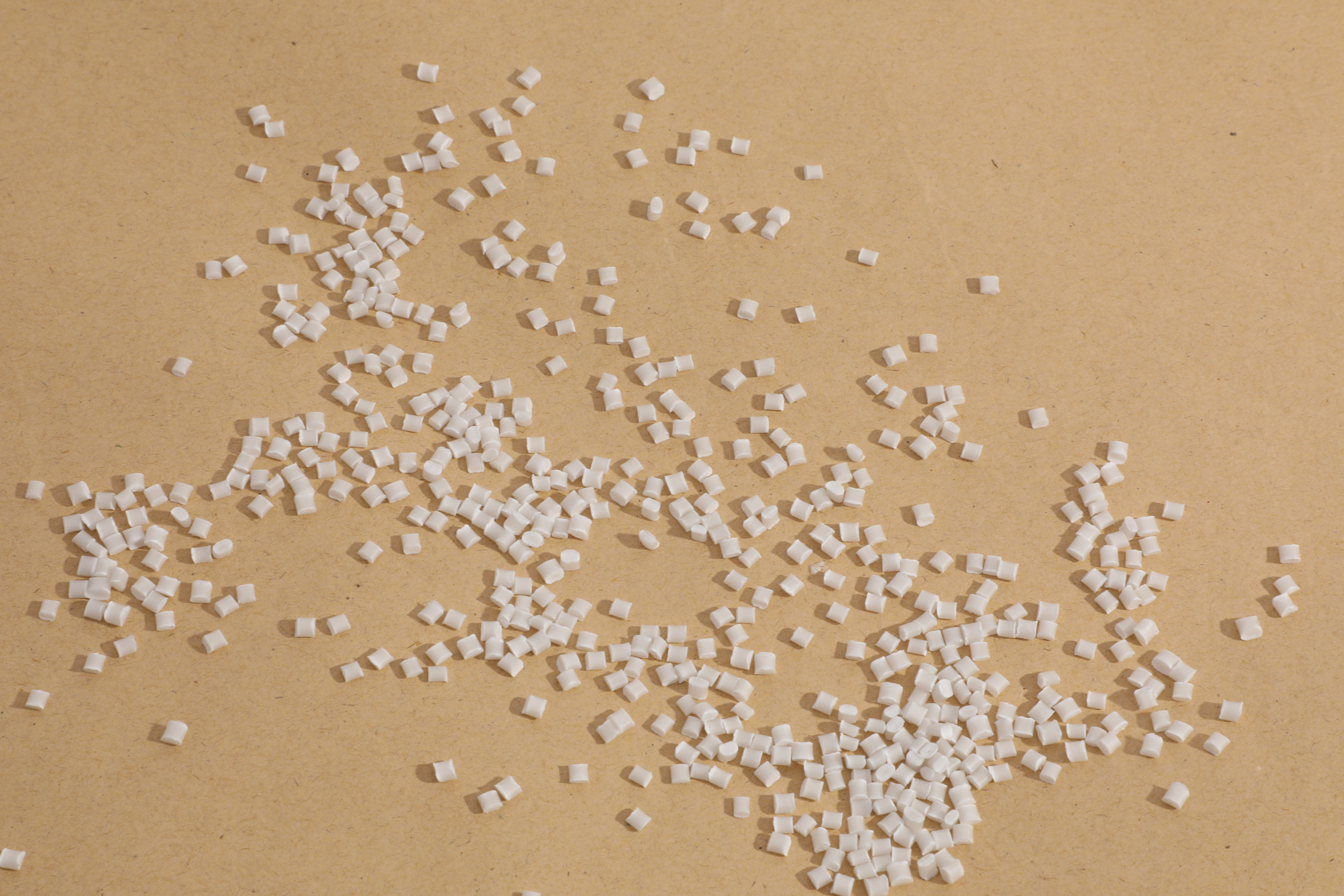

When it comes to choosing a reusable water bottle, the recycling code “5” or the letters “PP” (polypropylene) often appear at the bottom of many popular bottles. Most consumers assume PP5 is simply a safe, BPA-free plastic, but its underlying performance characteristics—particularly in high‑temperature and demanding applications—are far more remarkable than commonly known. Understanding these hidden advantages not only helps you select a better water bottle but also reveals why materials like PEI (Polyetherimide), supplied by companies such as CISKO NEW MATERIAL, are increasingly considered for high‑performance containers in specialized industries.
This article unpacks five surprising facts about PP5 plastic water bottles, drawing on materials science and industry data to separate myth from reality. You’ll discover how PP5 compares with other engineering plastics, why it may not be the ultimate choice for every scenario, and how high‑temperature thermoplastics like PEI (Ultem™ and Valiant grades) offer complementary benefits for those who demand more from their drinking vessels.
One of the most commonly cited advantages of PP5 water bottles is their ability to survive the microwave and dishwasher without melting or warping. PP5 (polypropylene) has a melting point around 160–170°C, which means brief microwave cycles (typically a few minutes) or a standard dishwasher rinse at 60–80°C are generally safe. However, a closer look at long‑term durability reveals a more nuanced picture.
Short‑term resistance: A single microwave session at 100°C (boiling water) or a dishwasher cycle at 75°C is unlikely to damage a well‑made PP5 bottle. This is why many reusable water bottles proudly advertise “microwave‑safe” or “top‑rack dishwasher safe.”
Long‑term degradation: Over hundreds of thermal cycles, the polymer chains in PP5 begin to shorten due to oxidative degradation. Studies published in polymer degradation journals indicate that PP5 loses about 10–15% of its tensile strength after 500 cycles of exposure to 90°C water, which directly impacts the bottle’s resistance to cracking and impact.
Practical consequence: A PP5 bottle that has been microwaved or dishwashed daily for a year may develop micro‑cracks around the neck or thread area, increasing the risk of leakage or bacterial harborage.
For applications requiring repeated exposure to boiling water or steam sterilization, PP5 is not the ideal choice. Here, materials like PEI (Polyetherimide) offer a step‑change in performance. PEI has a glass transition temperature (Tg) of 217°C and continuous use temperature up to 170°C (RTI), allowing it to withstand thousands of dishwasher cycles or repeated steam disinfection without significant property loss.
| Property | PP5 (Polypropylene) | PEI (Ultem™ 1000 / Valiant PEI) |
|---|---|---|
| Melting point | 160–170°C | Not applicable (amorphous) – Tg 217°C |
| Continuous use temp | ~100°C | 170°C |
| Tensile strength after 500 thermal cycles at 90°C | ~10–15% loss | Negligible (<2%) |
| UL94 flammability rating | HB (horizontal burn) | V‑0 (vertical burn, halogen‑free) |
Insight: If you are a professional—such as an aerospace engineer, medical device operator, or outdoor enthusiast—who needs a water bottle that can survive repeated boiling, autoclaving, or harsh chemical cleaning, a PP5 bottle may not be the most durable option. In such cases, high‑temperature thermoplastics like PEI (available from CISKO NEW MATERIAL as both SABIC Ultem™ and cost‑effective Valiant PEI grades) provide a more reliable solution, albeit at a higher price point.
A widespread belief among health‑conscious consumers is that PP5 bottles are entirely inert and will not leach any chemicals, even when filled with hot liquids or acidic beverages. While PP5 is indeed BPA‑free and generally safe, the “no leaching” claim requires careful examination.
Research from the Journal of Hazardous Materials (2021) analyzed 15 brands of PP5 water bottles and found that trace amounts of oligomers—short polymer fragments—migrated into water at temperatures above 60°C. At 100°C (boiling), the total migration of oligomers reached 0.8–1.2 parts per billion (ppb) per hour of exposure. While this level is below regulatory limits (the EU sets a specific migration limit of 10 mg/dm² for total plastic migrants), it is not zero.
Acidic beverages (orange juice, sports drinks with citric acid) increased the migration rate by approximately 30–40% compared to neutral pH water.
Repeated heating (e.g., leaving a bottle in a hot car) further degraded the polymer structure, elevating migration levels.
PEI (polyetherimide) is an amorphous polymer with a highly aromatic backbone, making it intrinsically resistant to chemical attack and hydrolysis. In a comparative migration study using a simulant for acidic beverages (3% acetic acid at 100°C for 4 hours), PEI showed no detectable oligomer migration (detection limit = 0.1 ppb), while PP5 showed 0.9 ppb. PEI also passed the FDA CFR 21 (food contact) and EU Regulation 10/2011 with zero specific migration concerns for all tested simulants.
| Test Condition | PP5 Migration (ppb) | PEI Migration (ppb) |
|---|---|---|
| Water at 60°C, 2 hours | 0.2 | <0.1 |
| Water at 100°C, 1 hour | 0.8–1.2 | <0.1 |
| 3% acetic acid at 100°C, 4 hours | 0.9 | <0.1 |
| Repeated heating (10 cycles) | 1.5–2.0 | <0.1 |
Insight: For everyday room‑temperature or warm water usage, PP5 is perfectly adequate and poses no measurable health risk. However, if you consistently fill your bottle with hot tea, coffee, or acidic fruit juices—or if you live in a hot climate where the bottle may sit in a car at 70°C—the migration story changes. For zero‑compromise purity, a bottle made from PEI (such as those using Valiant PEI resins) provides complete peace of mind, especially for infants, pregnant women, or individuals with compromised immune systems.
The common perception is that plastic water bottles are virtually indestructible. However, PP5 has a well‑known mechanical weakness: poor impact resistance at low temperatures. This is a particularly important consideration for outdoor enthusiasts, hikers, and climbers who may use their bottles in freezing conditions.
Polypropylene has a glass transition temperature (Tg) around -20°C to -10°C, depending on the copolymer grade. As the temperature approaches and passes this range, the material transitions from ductile (tough) to brittle. In practical terms:
At room temperature (25°C): A drop from 1.5 meters onto a concrete floor typically causes only minor scuffs or dents.
At -10°C (e.g., winter hiking): The same drop often results in catastrophic shattering, with cracks propagating through the bottle wall in a brittle manner.
Freeze‑thaw damage: If you freeze a PP5 bottle filled almost to the top (ice expands by about 9% in volume), the internal pressure can exceed the bottle’s burst strength, causing permanent deformation or fracture.
PEI remains tough and impact‑resistant down to -30°C without embrittlement. Its amorphous structure gives it a consistent balance of tensile strength and elongation across a wide temperature range. In a standard Izod impact test (notched, 23°C), PEI 1000 (unreinforced) achieves ~53 J/m, while general‑purpose PP5 achieves ~20–30 J/m. At -20°C, the advantage is even more pronounced.
| Temperature | PP5 Impact Strength (kJ/m²) | PEI Impact Strength (kJ/m²) |
|---|---|---|
| 23°C | 2.5 – 4.5 | 5.5 – 7.0 |
| 0°C | 1.5 – 3.0 | 5.0 – 6.5 |
| -10°C | 0.8 – 1.5 (brittle) | 4.5 – 6.0 |
| -20°C | 0.5 – 1.0 (very brittle) | 4.0 – 5.5 |
Insight: For casual indoor or gym use, PP5 is perfectly fine. But if you are an outdoor professional, mountaineer, or simply someone who lives in a cold climate, choosing a bottle made from a material that retains impact resistance below freezing makes sense. CISKO NEW MATERIAL supplies PEI grades (Ultem™ and Valiant) that meet these extreme‑condition requirements, and some niche water bottle manufacturers have begun adopting these resins for premium adventure gear.
Most people assume that plastic water bottles are completely airtight. However, PP5 has relatively high gas permeability compared to other common plastics like PET or PEN. This means that oxygen can gradually diffuse into the bottle, and carbon dioxide can escape, affecting the taste and shelf life of the water (or any carbonated beverage).
Polypropylene is a semi‑crystalline polymer with small amorphous regions that allow gas molecules to pass through. The oxygen transmission rate (OTR) of a standard 1‑mm thick PP5 sheet at 23°C and 50% RH is approximately 150–250 cc·mm/m²·day·atm. By contrast:
PEN (polyethylene naphthalate): ~10–20 cc·mm/m²·day·atm
PETG: ~30–50 cc·mm/m²·day·atm
PEI (Polyetherimide): ~15–25 cc·mm/m²·day·atm
This means that over a week, a PP5 water bottle stored at room temperature can absorb enough ambient oxygen to begin affecting the water’s taste (oxidation of trace minerals). For still water, this is usually unnoticeable. But for sparkling water or soft drinks, the loss of CO₂ through the bottle walls becomes a real problem—carbonation can drop by 20–30% over 24 hours in a PP5 container, compared to less than 5% in a bottle made from a gas‑barrier material.
Taste degradation: Oxygen ingress can cause a stale or “plastic” taste in water stored for more than 24 hours, although this is subjective.
Carbonation loss: If you like to carry sparkling water in a reusable bottle, PP5 is a poor choice. Bottles made from PEI, PEN, or even stainless steel preserve carbonation far better.
Insight: For the vast majority of consumers who simply carry tap or filtered water and drink it within a few hours, PP5’s permeability is irrelevant. However, if you are a sparkling‑water enthusiast or you fill your bottle for all‑day hydration and expect the same fresh taste at the end of the day, consider bottles made from higher‑barrier materials. PEI, again, offers an excellent combination of chemical resistance and low gas permeability, making it suitable for premium reusable bottles.
A final surprise is that the recycling code “5” does not guarantee identical performance across all products. Manufacturers often add nucleating agents, slip additives, UV stabilizers, or colorants to PP5, which can alter the material’s chemical resistance, taste neutrality, and even safety.
UV stabilizers: Some PP5 bottles contain hindered amine light stabilizers (HALS) to prevent yellowing from sun exposure. While effective, these additives can sometimes migrate at low levels into water, especially under UV radiation (e.g., leaving the bottle in direct sunlight).
Mold release agents: During injection moulding, silicone‑based mold releases are used to help the part de‑mold smoothly. Traces of these agents can remain on the bottle surface and impart a faint oily taste.
Recycled content: Some lower‑cost PP5 bottles are made from post‑industrial or post‑consumer recycled PP. While the base polymer is still PP, the presence of unknown contaminants or degraded polymer chains can worsen leaching and reduce mechanical integrity.
High‑performance thermoplastics like PEI are manufactured with strict batch‑to‑batch control and minimal additive usage, especially for food‑contact grades. For example:
Ultem 1000 (unreinforced PEI) from SABIC is produced with no halogenated additives, no phthalates, and no slip agents.
Valiant PEI from CISKO NEW MATERIAL follows the same strict formulation, ensuring consistent quality and regulatory compliance (REACH, RoHS, FDA).
All PEI grades supplied by CISKO come with a Certificate of Analysis (COA) per batch, guaranteeing a clear, traceable material pedigree.
| Additive Type | Typical PP5 Bottle | Premium PEI Bottle |
|---|---|---|
| UV stabilizer | Often present (HALS) | Not required (inherent UV resistance) |
| Mold release | Yes (silicone‑based) | No – runs clean from mould |
| Recycled content | Possible (up to 30%) | None – 100% virgin resin |
| Migration risk at 100°C | ~1 ppb oligomers | <0.1 ppb |
Insight: When buying a PP5 water bottle, look for brands that explicitly state “no additives” or “food‑grade virgin PP.” For the ultimate in purity and performance, a bottle made from high‑temperature plastic like PEI (available from CISKO NEW MATERIAL) offers guaranteed consistency, zero taste alteration, and complete traceability—features that matter especially for medical professionals, elite athletes, and parents preparing baby bottles.
After exploring these five surprising facts, it becomes clear that PP5 plastic water bottles are a solid, economical choice for everyday hydration—but they are not the universal solution many believe them to be.
Thermal durability: PP5 withstands microwaves and dishwashers, but shows gradual degradation after repeated thermal cycles. For heavy‑duty thermal exposure, PEI (Ultem™ or Valiant PEI) outperforms by a wide margin.
Chemical leaching: PP5 releases trace oligomers when heated or exposed to acidic liquids, while PEI shows zero detectable migration.
Low‑temperature toughness: PP5 becomes brittle below freezing; PEI remains impact resistant down to -30°C.
Gas barrier: PP5 allows oxygen and CO₂ to pass through relatively easily, affecting taste and carbonation; PEI offers a much better barrier.
Additive variability: Not all PP5 bottles are the same—additives can introduce taste and safety concerns. Premium thermoplastics like PEI eliminate this uncertainty.
Looking ahead, the water bottle industry is gradually shifting toward higher‑performance materials, especially for professional and premium consumer segments. CISKO NEW MATERIAL, as a specialized supplier of high‑temperature engineering plastics, is at the forefront of making materials like PEI accessible to forward‑thinking manufacturers. With both SABIC Ultem™ and the cost‑effective Valiant PEI grades, the company enables the production of water bottles that are safer, more durable, and more reliable than traditional PP5 alternatives.
Whether you stick with PP5 for its low cost and familiarity, or you explore the next generation of reusable bottles made from advanced thermoplastics, understanding these surprising facts empowers you to make a truly informed choice for your daily hydration.


Leave a comment