No products in the cart.
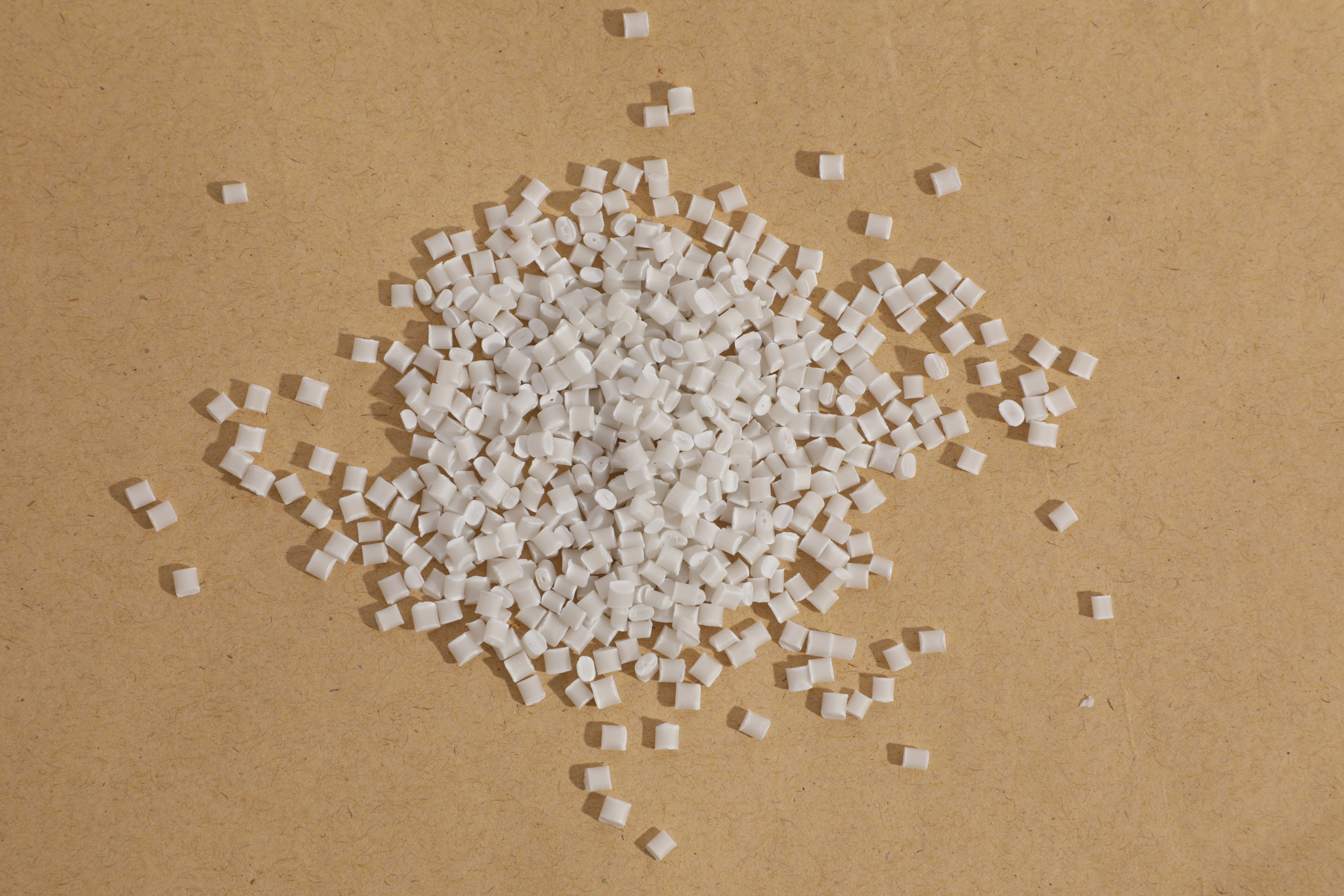

When you think of plastic, what comes to mind? Perhaps water bottles, food containers, or automotive parts. But there’s one material quietly working behind the scenes in nearly every industry you can imagine: PP plastic, or polypropylene. While it might seem ordinary, this versatile thermoplastic has a story far more interesting than most people realize. From its accidental discovery to its surprising role in life-saving medical devices, PP plastic continues to shape our modern world in ways you never expected.
In this deep dive, we’ll explore seven fascinating facts about PP plastic that will change how you see this everyday material. Whether you’re an engineer, a manufacturer, or simply curious about the materials around you, these insights offer valuable perspective on one of the most widely used but least understood plastics on the planet.
Like many great inventions, PP plastic was discovered almost by accident. In 1951, chemists J. Paul Hogan and Robert L. Banks at Phillips Petroleum Company were attempting to convert propylene into gasoline when they stumbled upon something entirely unexpected: a white, powdery substance that turned out to be crystalline polypropylene.
This wasn’t just a lucky break—it was a revolution. Before this discovery, most plastics were either too brittle or too expensive for widespread commercial use. PP plastic offered a combination of properties that had never been seen before: excellent chemical resistance, good mechanical strength, and the ability to be processed at relatively low costs.
The breakthrough came through the use of a new catalyst system that allowed for precise control over the polymer’s molecular structure. This meant manufacturers could now produce PP plastic with consistent quality and predictable performance—something that had been nearly impossible with earlier attempts at polypropylene synthesis.
Within just a few years, commercial production of PP plastic began, and the material quickly found its way into everything from packaging to automotive components. Today, PP plastic accounts for approximately 20% of all plastic production worldwide, making it one of the most important polymers in human history.
What makes this story even more remarkable is that Hogan and Banks initially faced skepticism from their own company. The petroleum industry was focused on fuels, not plastics. But they persevered, and their discovery earned them a place in the National Inventors Hall of Fame. Their work laid the foundation for the modern plastics industry and opened doors for countless applications that would have been impossible with earlier materials.
One of the most remarkable properties of PP plastic is its exceptional fatigue resistance. Unlike many materials that crack or fail under repeated stress, PP plastic can be bent back and forth millions of times without breaking. This characteristic has earned it the nickname “the spring polymer” among materials scientists.
The secret lies in PP plastic’s semi-crystalline structure. When you apply stress to the material, the crystalline regions align themselves to distribute the load evenly, while the amorphous regions act as shock absorbers. This unique combination allows PP plastic to recover its original shape after deformation, making it ideal for applications where repeated flexing is required.
Consider the humble living hinge—a thin section of material that allows a container lid to open and close repeatedly. Most plastics will crack after just a few thousand flex cycles. But PP plastic can withstand over a million cycles without failure. This is why PP plastic is the material of choice for shampoo bottle caps, flip-top containers, and countless other packaging solutions.
In the automotive industry, this property is leveraged for components like interior trim clips, seat belt components, and dashboard parts that must withstand years of vibration and movement. Manufacturers report that PP plastic-based components consistently outperform alternatives in long-term durability tests, often exceeding 100,000 flex cycles without significant degradation.
The fatigue resistance of PP plastic also makes it valuable in medical devices, where reliability is critical. For example, certain types of surgical instruments and drug delivery systems rely on PP plastic components that must function flawlessly over thousands of cycles. Industry data suggests that PP plastic maintains its mechanical properties even after 500,000 repeated stress applications, a performance standard that few other thermoplastics can match.
You might be surprised to learn that PP plastic is one of the safest materials for food contact applications. Unlike some plastics that can leach harmful chemicals into food, PP plastic is chemically inert and does not release any toxic substances under normal use conditions.
The secret is PP plastic’s high melting point—approximately 160-170°C for homopolymer grades. This means it can withstand the high temperatures of microwave ovens, dishwashers, and hot food without degrading or releasing harmful compounds. In fact, PP plastic is one of the few plastics explicitly approved for microwave use by food safety authorities worldwide.
But what really sets PP plastic apart is its exceptional resistance to fats, oils, and acidic foods. While other plastics might absorb oils or react with acidic ingredients, PP plastic remains chemically stable. This makes it ideal for storing everything from greasy takeout to tomato-based sauces.
The food industry has taken full advantage of these properties. According to a recent packaging industry report, over 60% of all microwaveable food containers are now made from PP plastic. The material’s combination of heat resistance, chemical inertness, and mechanical strength makes it nearly impossible to replace in this application.
Moreover, because PP plastic does not absorb moisture, it prevents the growth of bacteria and mold. This passive antimicrobial property makes it particularly valuable for food storage containers that are used repeatedly over extended periods.
For manufacturers, the safety profile of PP plastic simplifies regulatory compliance. Materials suppliers like CISKO NEW MATERIAL provide comprehensive documentation for their PP compounds, including full REACH and RoHS compliance certificates, ensuring that food processors can quickly meet international safety standards without costly testing delays.
PP plastic occupies a complex position in the environmental debate. On one hand, it is a petroleum-based material that can persist in landfills for hundreds of years. On the other hand, it offers significant environmental advantages over many alternatives that are often overlooked.
First, consider energy consumption. PP plastic requires less energy to produce than many other materials, including glass, aluminum, and paper. A life-cycle assessment conducted by a European research institute found that producing one kilogram of PP plastic generates approximately 1.5 kilograms of CO2, compared to 2.7 kilograms for paper and 8.3 kilograms for aluminum. When you factor in the weight savings of plastic versus glass or metal, the carbon footprint advantage becomes even more pronounced.
But the real environmental story of PP plastic is its recyclability. Unlike many plastics that degrade during recycling, PP plastic can be recycled multiple times without significant property loss. Modern recycling technologies allow PP plastic to be processed into new products with mechanical properties nearly identical to virgin material.
The challenge, however, lies in collection and sorting. While PP plastic is technically recyclable, less than 10% of it actually gets recycled globally. This is largely due to inadequate recycling infrastructure and consumer confusion about what can and cannot be recycled.

Fortunately, the industry is working on solutions. Advanced sorting technologies using near-infrared spectroscopy can now identify PP plastic with over 98% accuracy, enabling more efficient recovery. Additionally, chemical recycling technologies are emerging that can break PP plastic down into its original monomers, creating a true circular economy.
Some material suppliers are also developing innovative solutions. For example, CISKO NEW MATERIAL offers modified PP compounds that incorporate recycled content without sacrificing performance. These materials help manufacturers reduce their environmental footprint while maintaining the quality their customers demand.
This paradox—that PP plastic can be both an environmental burden and a sustainability solution—highlights the importance of proper material selection and waste management. The problem is not the material itself but how we use and dispose of it.
Few people realize that PP plastic has become one of the most important materials in modern medicine. Its unique combination of properties makes it ideal for a wide range of life-saving applications, from surgical instruments to drug delivery systems.
PP plastic’s biocompatibility is perhaps its most valuable medical attribute. Unlike some plastics that trigger immune responses or release toxic degradation products, PP plastic is nontoxic and does not cause adverse reactions when in contact with human tissue. This makes it suitable for implants and devices that must remain in the body for extended periods.
One of the most critical medical applications of PP plastic is in surgical mesh used for hernia repair. The material’s combination of strength, flexibility, and inertness allows it to reinforce weakened tissue without causing inflammation or rejection. Medical device manufacturers report that PP plastic-based meshes have success rates exceeding 95% in long-term studies.
But the medical applications of PP plastic extend far beyond implants. The material is also widely used in:

Syringes and IV components: PP plastic’s clarity allows for visual confirmation of medication while its chemical resistance prevents drug contamination
Diagnostic equipment: Laboratory instruments made from PP plastic can withstand corrosive chemicals and repeated sterilization
Drug delivery systems: The material’s consistent dimensional stability ensures precise dosing in inhalers and auto-injectors
Wound care: Non-woven PP plastic fabrics are used in wound dressings that promote healing without sticking to tissue
The COVID-19 pandemic highlighted another crucial medical application of PP plastic: personal protective equipment. The material’s ability to be formed into non-woven fabrics made it the primary component of millions of surgical masks and medical gowns. Without PP plastic, much of the PPE that protected healthcare workers during the crisis would not have existed.
What makes PP plastic particularly valuable in medical applications is its ability to undergo sterilization without degradation. Whether using steam autoclaving (121°C), ethylene oxide gas, or gamma radiation, PP plastic maintains its mechanical and chemical properties through multiple sterilization cycles—a crucial requirement for reusable medical devices.
One of the most impactful yet overlooked properties of PP plastic is its low density. With a density of approximately 0.90-0.91 g/cm³, PP plastic is one of the lightest thermoplastics available—lighter even than water. This property has enabled weight savings across industries, from automotive to packaging, with profound economic and environmental implications.
Consider the automotive sector, where every kilogram of weight reduction translates to measurable fuel savings. According to a study by the Society of Automotive Engineers, replacing traditional materials with PP plastic can reduce component weight by 30-50% without sacrificing performance. For a typical vehicle, using PP plastic for interior components, under-hood parts, and exterior trim can save up to 100 kilograms—equivalent to reducing CO2 emissions by approximately 5 grams per kilometer.
The packaging industry has also capitalized on PP plastic’s weight advantage. Transitioning from glass to PP plastic containers reduces shipping weight by up to 80%, which significantly lowers transportation costs and fuel consumption. A major consumer goods company reported that switching its detergent bottles from glass to PP plastic reduced its annual shipping costs by over $2 million and cut its carbon footprint by 12%.
But the weight benefits of PP plastic extend beyond simple substitution. Material scientists can engineer PP plastic compounds that achieve specific performance targets while minimizing weight. For example, mineral-filled PP grades offer enhanced stiffness for structural applications without significant weight penalties. Similarly, glass fiber-reinforced PP grades can replace metals in applications requiring high strength-to-weight ratios.
In the aerospace industry, PP plastic is used for non-structural interior components where weight savings are critical. A leading aircraft manufacturer recently replaced aluminum storage bins with PP plastic equivalents, saving 45 kilograms per aircraft—a small change that compounds into significant fuel savings over the aircraft’s 30-year service life.
For manufacturers like CISKO NEW MATERIAL, the weight advantage of PP plastic is a key differentiator. Their Hanwha-Total PP compounds are specifically designed to maximize this benefit, offering exceptional strength and stiffness at lower densities than competing materials. This allows customers to achieve performance targets while reducing material costs and environmental impact.
The story of PP plastic is far from finished. As technology advances, researchers continue to discover new possibilities for this remarkable material. From smart packaging to 3D printing, PP plastic is evolving to meet the demands of tomorrow’s world.
One of the most exciting frontiers is conductive PP plastic. By incorporating carbon nanotubes or graphene into the polymer matrix, researchers have created PP compounds that can conduct electricity. This opens up possibilities for antistatic packaging, electromagnetic shielding, and even flexible electronics. A recent breakthrough achieved conductivity levels approaching that of metals while maintaining PP plastic’s inherent flexibility and processability.
Another promising development is self-healing PP plastic. Inspired by biological systems, scientists have developed formulations that can repair minor cracks and damage autonomously. The mechanism involves microcapsules containing healing agents distributed throughout the material. When a crack forms, these capsules rupture, releasing the healing agent that polymerizes to seal the damage. Early tests show that self-healing PP plastic can recover up to 80% of its original mechanical strength after damage.
The additive manufacturing industry is also embracing PP plastic. Traditionally, PP plastic has been difficult to 3D print due to its tendency to warp during cooling. However, new formulations with controlled crystallization rates are overcoming this limitation. Companies developing PP plastic filaments for FDM printers report that the material’s excellent interlayer adhesion produces parts with mechanical properties comparable to injection-molded counterparts.
In the energy sector, PP plastic plays a growing role in renewable energy infrastructure. The material’s resistance to UV radiation and environmental stress cracking makes it ideal for solar panel frames and wind turbine components. A major renewable energy company recently switched from aluminum to glass fiber-reinforced PP plastic for its solar tracker mechanisms, achieving a 35% cost reduction while improving corrosion resistance.
The future also holds promise for PP plastic in medical advances. Researchers are developing bioabsorbable grades of PP plastic that can be used for temporary implants. These materials degrade safely in the body over time, eliminating the need for surgical removal. Applications include bone fixation devices and drug delivery scaffolds that slowly release medication as they break down.
For forward-thinking manufacturers, these innovations mean that PP plastic will remain relevant for decades to come. Companies like CISKO NEW MATERIAL continue to expand their product portfolios to incorporate these advanced materials, offering customers access to cutting-edge solutions that were unavailable just a few years ago.
After exploring these seven fascinating facts about PP plastic, it’s clear that this material deserves far more recognition than it typically receives. From its accidental discovery to its role in life-saving medical devices, from its environmental contradictions to its future in smart materials, PP plastic exemplifies the profound impact that seemingly ordinary materials can have on our lives.
For manufacturers and engineers, understanding these properties is not merely academic—it’s practical. The right material selection can mean the difference between a product that succeeds and one that struggles. Whether you’re designing a new consumer product, optimizing an automotive component, or developing medical equipment, considering PP plastic as a candidate material could unlock benefits you hadn’t anticipated.
The evolution of PP plastic also reminds us that materials science is never static. What we know today about PP plastic is just a starting point. As research continues and new technologies emerge, we will undoubtedly uncover even more capabilities and applications for this versatile material.
So the next time you snap open a living hinge, microwave a takeout container, or use a medical device, take a moment to appreciate the humble PP plastic that makes it all possible. It may not be glamorous, but it’s quietly holding our modern world together—one molecule at a time.


Leave a comment