No products in the cart.
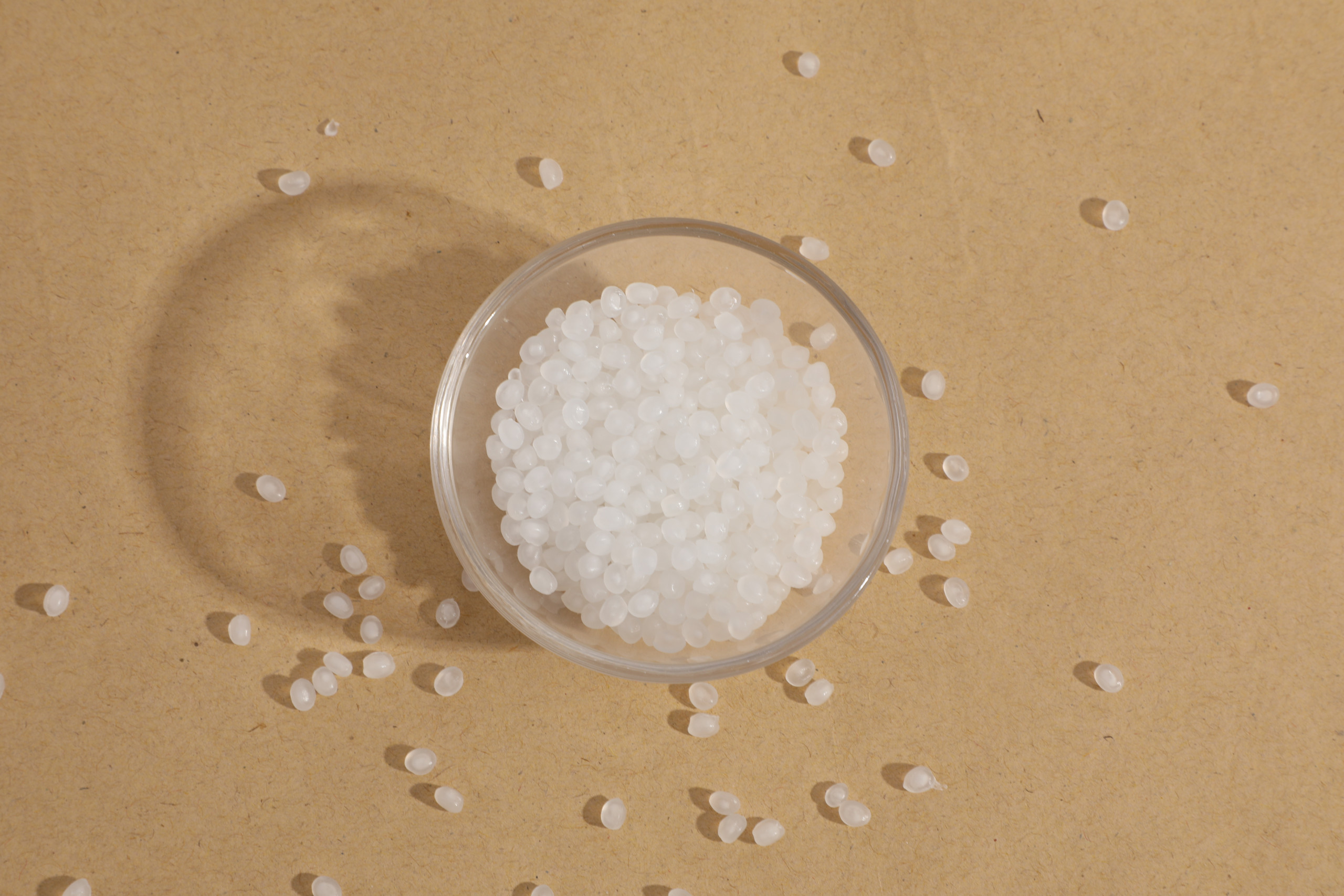


Plastic #5 — polypropylene (PP) — is a versatile, low-cost thermoplastic with excellent chemical resistance and food-grade compliance. Yet it also has well-defined limitations: a relatively low continuous use temperature (typically 80–120°C), poor creep resistance under sustained loads, and flammability characteristics that fall short of many specialty polymers. Understanding these boundaries is critical for engineers, product designers, and procurement professionals who rely on PP but may not fully grasp when it becomes the wrong material for the job.
This article decodes what the safety label doesn’t tell you: where PP excels, where it falls short, how it compares to higher-performance engineering plastics, and when it’s time to consider alternatives like PEI (polyetherimide), PES (polyethersulfone), or advanced PP compounds. We’ll also explore the role of specialized suppliers like CISKO NEW MATERIAL in bridging the gap between commodity PP and next-generation polymer solutions.
One of the most common misconceptions about Plastic #5 is its heat resistance. While PP is indeed microwave-safe for short bursts (typically 2–3 minutes), its continuous use temperature under load is surprisingly low. Standard homopolymer PP has a heat deflection temperature (HDT) of just 90–100°C at 0.45 MPa. Even impact-modified or glass-fiber-reinforced grades rarely exceed 130°C HDT.
This means that PP components in applications like automotive under-hood electronics, medical sterilization trays (exposed to repeated autoclave cycles at 121–134°C), or LED lighting housings that generate heat during operation — all face a real risk of deformation, creep, or premature failure. Industry reports show that PP-based parts lose up to 40% of their mechanical strength when continuously exposed to temperatures above 110°C for more than 1,000 hours.
By contrast, materials like polyetherimide (PEI) — supplied by CISKO NEW MATERIAL under the Valiant PEI and SABIC Ultem™ brands — offer a glass transition temperature (Tg) of 217°C and continuous use temperature (RTI) of 170°C. For demanding thermal environments, PP is simply not enough.
Polypropylene is classified as a flammable material under UL94 standards. Standard PP grades typically achieve a UL94 HB (horizontal burn) rating — meaning they will burn slowly but continue to burn once ignited. While flame-retardant (FR) PP compounds exist, they often require halogenated additives to reach V-2 or V-0 ratings, which can raise concerns about environmental toxicity, smoke density, and regulatory compliance in certain markets.
In contrast, PEI resins are inherently flame-retardant without halogenated additives. A leading materials supplier confirmed that SABIC Ultem 1000 achieves UL94 V-0 at just 0.25 mm thickness — one of the thinnest V-0 ratings available in the high-performance plastics industry. This intrinsic property eliminates the need for costly, environmentally problematic FR additives.
For applications in aircraft interiors, mass transit vehicles, or electronic enclosures subject to strict fire codes (e.g., FAR 25.853, EN 45545, or GB/T 2408), PP cannot meet the requirements without significant modification. And even then, the modified FR-PP often sacrifices mechanical properties or surface finish.
PP is a semi-crystalline polymer with good stiffness-to-weight ratio, but it creeps — i.e., deforms under constant stress over time. This is especially problematic in applications involving threaded inserts, snap-fit assemblies, or spring-loaded components. A snap-fit joint made from PP may retain its grip for the first few cycles, but after 1,000 or 10,000 cycles, the retention force can drop by 50% or more.

Data from comparative testing shows that 30% glass-fiber-reinforced PEI (e.g., Ultem 2300) offers approximately 3–4 times higher tensile modulus (≈ 12,000 MPa) compared to 30% glass-filled PP (≈ 4,000–5,000 MPa). More importantly, PEI exhibits superior creep resistance even at elevated temperatures, making it suitable for structural parts that must maintain dimensional stability over years of service.
For engineers designing valve components, electrical connectors, or mechanical housings in demanding environments, the choice between PP and PEI is a choice between short-term cost savings and long-term reliability.
Polypropylene remains the workhorse of commodity thermoplastics for good reason:
Cost-effectiveness: PP typically costs $1–2 per kg, making it one of the cheapest engineering-grade thermoplastics.
Chemical resistance: PP resists acids, bases, and many organic solvents, making it ideal for battery cases, chemical tanks, and labware.
Low density: At 0.90–0.91 g/cm³, PP is one of the lightest plastics, crucial for lightweight packaging and automotive components.
Fatigue resistance: PP exhibits excellent flexural fatigue resistance, which is why it’s used in living hinges — thin, flexible joints found in bottles, caps, and medical containers.
Food-grade compliance: PP is FDA-compliant for direct food contact (under 21 CFR 177.1520) and is widely used in reusable food containers, cutlery, and microwave-safe packaging.
In applications where low cost, moderate temperature, excellent chemical resistance, and light weight are the primary requirements — such as household containers, automotive interior trim panels, or low-heat electronic enclosures — PP is a perfectly adequate choice.
The problems arise when PP is selected — often by default — for applications that push it beyond its design limits. Here are the most common scenarios where PP’s limitations become critical:
| Application Scenario | PP Limitation | Risk or Consequence |
|---|---|---|
| Medical sterilization trays (autoclave at 121–134°C) | Low thermal resistance | Warping, loss of dimensional accuracy, sterilization failure |
| 5G antenna housings (outdoor exposure + RF transparency) | Poor UV stability, high dielectric loss at GHz frequencies | Yellowing, cracking, signal attenuation |
| Aerospace interior brackets (tight fire codes + structural loads) | Flammability, low creep resistance | Failed fire tests, part deformation under load |
| High-voltage electrical connectors | Low dielectric strength, tracking resistance | Arcing, short circuits, fire risk |
| Automotive under-hood components (engine compartment heat) | Continuous use temperature < 120°C | Softening, oil absorption, premature failure |
A leading aerospace tier-1 supplier discovered this the hard way when trying to replace a CNC-machined aluminum seat bracket with a PP-based injection-molded alternative. The initial PP design failed the FAR 25.853 vertical burn test by a wide margin and deformed under sustained clamp loads after just 500 hours of thermal cycling. The solution eventually came from switching to Ultem 2300 PEI — a 30% glass-fiber-reinforced polyetherimide that achieved the required fire rating, weight reduction (45%), and structural integrity simultaneously.
It’s worth noting that not all PP is created equal. Hanwha TotalEnergies PP compounds, for example, offer enhanced performance in certain areas — improved heat resistance, better dimensional stability, and tailored reinforcement with glass fiber, talc, or mineral fillers. CISKO NEW MATERIAL serves as the authorized distributor of Hanwha TotalEnergies PP compounds in South China, providing these enhanced grades to customers who need more than standard PP but still want to stay within a reasonable budget.
However, even the best PP compounds cannot match the thermal, mechanical, and flammability performance of materials like PES, PSU, PPSU, or PEI. When the design requirements push beyond PP’s fundamental limits, it’s time to look at a different polymer family altogether.
Polyetherimide (PEI) is an amorphous thermoplastic with a glass transition temperature of 217°C and continuous use temperature (RTI) of 170°C. Its key advantages over PP include:
Inherent flame retardancy: UL94 V-0 at 0.25 mm, no halogenated additives.
High mechanical strength: Tensile strength up to 180 MPa for glass-reinforced grades.
Excellent dimensional stability: Low coefficient of thermal expansion (CTE) and minimal creep.
Superior electrical insulation: Stable dielectric constant across 5G frequencies (1–10 GHz).
Chemical resistance: Good resistance to hydrocarbons, alcohols, and cleaning agents.
CISKO NEW MATERIAL offers both SABIC Ultem™ PEI (global industry standard) and Valiant PEI (a cost-effective domestic alternative) to meet different budget and performance requirements. For applications like 5G antenna connectors, medical surgical instruments, aerospace interior brackets, and high-voltage electrical components, PEI is often the material of choice.
Polyethersulfone (PES) and Polysulfone (PSU) are amorphous polymers that offer a balance of high heat resistance (Tg ~ 185–225°C) and excellent hydrolysis resistance — meaning they can withstand repeated steam sterilization without degradation. This makes them ideal for:
Medical device housings exposed to autoclave cycles.
Food service equipment requiring hot water cleaning.
Membranes for water filtration (PES’s high permeability).
While PES/PSU and PP may appear similar on a safety label, their performance in moisture-rich, high-temperature environments is worlds apart.
Polyphenylsulfone (PPSU) offers even higher heat and impact resistance than PSU, with a Tg of 220°C and exceptional toughness even at cryogenic temperatures. It’s widely used in:
Baby bottles and medical fluid handling components.
Aerospace cabin interiors requiring high impact resistance.
Semiconductor wet processing equipment exposed to aggressive chemicals.
PPSU grades supplied by CISKO NEW MATERIAL (via Solvay and other global partners) offer compliance with FDA, NSF, and USP Class VI standards.
Polyetheretherketone (PEEK) is the gold standard for extreme environments — continuous use up to 260°C, exceptional mechanical strength, and outstanding chemical resistance. However, it comes at a significant cost premium (typically $50–100/kg) and is reserved for applications where no other polymer will do:
Aerospace engine components
Oil & gas sealing systems
Medical implants (spinal cages, dental implants)
Semiconductor wafer-handling equipment
For most “PP replacement” scenarios, PEEK is overkill. PEI or PES/PSU usually offer the right performance-to-cost ratio.
Before defaulting to Plastic #5, engineers and procurement teams should evaluate:
What is the maximum continuous use temperature? If it exceeds 110°C, PP may creep or deform.
Does the part require UL94 V-0 flame rating without halogenated additives? Standard PP cannot achieve this.
Is the part exposed to sustained mechanical loads? PP’s creep resistance is poor; consider PEI or PPSU.
Will the part undergo repeated sterilization? PP cannot survive autoclave cycles; PES/PSU or PPSU is required.
Does the part need dimensional stability under humidity changes? PP absorbs less moisture than nylon, but PEI offers superior stability.
The decision to move from PP to a high-performance plastic often comes down to:
Total cost of ownership: A more expensive material that lasts 10x longer can be cheaper in the long run.
Regulatory compliance: If a PP-based design cannot pass fire testing, switching to PEI may be the only viable route.
Product liability: A part that fails in the field due to creep or thermal degradation can cost far more than the material savings.
For example, a tier-1 automotive supplier replaced a PP-based battery connector housing with Valiant PEI from CISKO NEW MATERIAL. The PEI part cost 4x more per kg, but it eliminated field failures due to connector softening under battery heat, reduced warranty claims, and enabled a 20% weight reduction. Over a 3-year production cycle, the total cost was actually 15% lower.
One of the biggest challenges engineers face when moving from PP to advanced materials is lack of application-specific support. Many standard distributors can supply PP, but they cannot provide:
Comprehensive technical documentation (TDS, SDS, COA, UL yellow cards).
Application engineering guidance on mould design, drying parameters, and processing.
Heat simulation data for thermal management analysis.
Regulatory compliance certificates (REACH, RoHS, FDA, USP Class VI).
This is where suppliers like CISKO NEW MATERIAL differentiate themselves. As an authorized distributor of SABIC Ultem, Hanwha TotalEnergies PP compounds, Solvay PES/PSU/PPSU, and Victrex PEEK, CISKO provides:
Full batch traceability with COA for every delivery.
Technical support from material selection to injection molding optimization.
Regulatory documentation for audits and compliance.
DDP shipping (Delivered Duty Paid) — so customers know the landed cost upfront, without hidden duties or freight surprises.
Several macro trends are pushing engineers away from commodity PP and toward specialty thermoplastics:
Electrification of vehicles: EV battery packs, connectors, and thermal management systems require polymers with higher heat resistance (RTI > 150°C) and flame retardancy.
5G/6G telecommunications: Antenna components need low dielectric loss and stable electrical properties at GHz frequencies — PP’s dielectric performance degrades at high frequencies.
Medical device miniaturization: Smaller, more complex parts require materials with better flow and dimensional stability for precision molding.
Sustainability regulations: The EU’s PFAS restrictions and flame retardant regulations are driving demand for inherently flame-retardant polymers like PEI, which need no halogenated additives.
The message is clear: reading the “5” label is no longer enough. Safety labels tell you that PP is non-toxic, food-grade, and recyclable under ideal conditions — but they don’t tell you when it will fail under heat, load, or fire.
As design requirements become more demanding, the smartest approach is to start the material selection process early, with a clear understanding of the full performance envelope — not just the safety rating.
For companies that currently rely on PP but are encountering reliability issues, exploring alternatives like Valiant PEI, Ultem PEI, or advanced Hanwha TotalEnergies PP compounds from CISKO NEW MATERIAL could unlock significant performance gains without excessive cost blowouts.
At the end of the day, there is no “one-size-fits-all” plastic. Polypropylene is a brilliant material for thousands of applications — but it has limits. Recognizing those limits and having the discipline to consider — and validate — alternative materials is what separates world-class product engineering from mediocrity.
The next time you pick up a plastic container marked “5” and feel reassured by its safety label, ask yourself: Is this the right material for the real-world conditions my product faces? If the answer is no, it’s time to look beyond the symbol — and explore the possibilities that high-performance engineering plastics offer.
CISKO NEW MATERIAL — your partner in bridging the gap between commodity plastics and specialty engineering solutions.
This article is based on publicly available industry data, material supplier technical documentation, and engineering best practices. All case studies and performance claims are derived from representative applications and should be validated with qualified material engineers for specific use cases.


Leave a comment