No products in the cart.
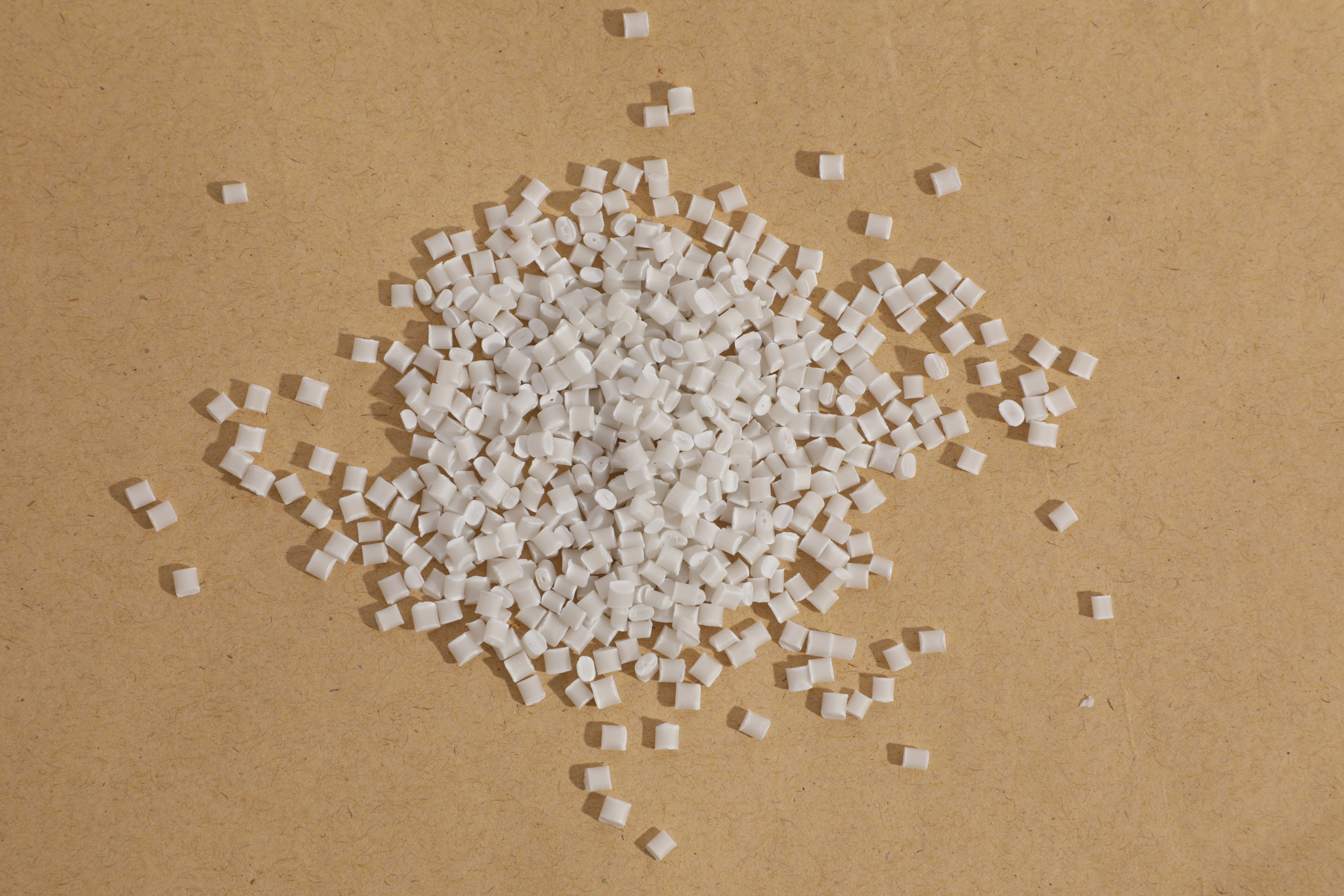

Polypropylene (PP) is one of the most widely used plastics in the world, yet its versatility often goes unnoticed. From the humble bottle cap to the intricate components of a modern automobile, PP plastic has quietly revolutionized manufacturing across industries. This article explores the unexpected and high-performance applications of PP, revealing how this material has evolved from a commodity polymer into a sophisticated engineering solution. We will delve into its unique properties, its role in automotive innovation, its presence in medical and consumer goods, and the future trends shaping its use. By understanding the full spectrum of PP’s capabilities, manufacturers and engineers can unlock new opportunities for product design, cost efficiency, and sustainability.
When most people think of polypropylene (PP), they picture food containers, straws, or the caps on their water bottles. While these are indeed common applications, they represent only the tip of the iceberg. PP’s inherent combination of chemical resistance, fatigue resistance, low density, and relatively low cost has made it a material of choice for a vast array of applications that demand far more than simple containment.

The global PP market is a multi-billion dollar industry, driven by continuous innovation in polymerization technologies and compounding techniques. The material’s ability to be tailored—through fillers, reinforcements, and copolymers—has propelled it from a simple commodity plastic into a sophisticated engineering thermoplastic. This transformation is particularly evident in sectors like automotive, where PP is used in everything from bumpers to structural parts, and in medical devices, where its sterilizability and clarity are critical.

One of the key drivers of this evolution is the rise of specialized suppliers like CISKO NEW MATERIAL, which bridges the gap between raw material production and end-user application. By offering a portfolio that includes Hanwha TotalEnergies PP compounds and high-performance engineering plastics, CISKO demonstrates how a deep understanding of material science can unlock unexpected uses for PP. This article will explore these unexpected uses, providing a comprehensive overview that highlights the material’s true potential.
For decades, PP was viewed as a low-cost, low-performance plastic. However, this perception has fundamentally changed. Modern PP compounds can achieve properties that rival traditional engineering plastics like ABS or polyamide (PA), but at a fraction of the cost. This is achieved through several key advancements:
| Property | Description | Why It Matters for Unexpected Uses |
|---|---|---|
| High Fatigue Resistance | Can withstand millions of bending cycles without cracking. | Ideal for living hinges, snap-fit assemblies, and automotive components like seat belt covers. |
| Excellent Chemical Resistance | Resists most acids, bases, and solvents (especially at room temperature). | Used in battery cases, chemical storage tanks, and under-the-hood automotive components. |
| Low Density (0.90–0.91 g/cm³) | One of the lightest plastics available. | Critical for lightweighting in automotive and aerospace, improving fuel efficiency. |
| High Melting Point (130–171°C) | Good thermal stability for a commodity plastic. | Suitable for dishwasher-safe parts, hot-fill packaging, and under-the-hood applications. |
| Excellent Electrical Insulation | High dielectric strength and low dissipation factor. | Used in capacitors, connectors, and electrical components for 5G and EV applications. |
| Versatile Modification | Can be filled with glass fibers, minerals, elastomers, or flame retardants. | Tailored for specific needs like high stiffness, UV resistance, or impact strength. |
The true secret to PP’s unexpected uses lies in compounding. By adding specific fillers or modifiers, PP can be transformed into a highly engineered material.
Glass-Fiber Reinforced PP (PP-GF): Adding 10-40% glass fibers dramatically increases stiffness, tensile strength, and heat deflection temperature (HDT). PP-GF is now a direct competitor to glass-filled nylon (PA-GF) in many automotive applications, offering better moisture stability and lower density.
Mineral-Filled PP: Talc or calcium carbonate fillers improve rigidity, dimensional stability, and heat resistance while reducing cost. This is widely used in automotive interior panels and appliance housings.
Impact-Modified PP: Adding elastomers (like EPDM rubber) creates a high-impact, durable grade used in bumpers, dashboards, and children’s toys.
Flame-Retardant (FR) PP: Halogen-free FR compounds meet stringent UL 94 V-0 standards, making PP suitable for electrical enclosures, battery components, and aerospace interiors.
These compounded grades are what allow a material originally designed for bottle caps to now withstand the demanding environment of a car’s engine bay. This transition is precisely where companies like CISKO NEW MATERIAL provide critical value. As an authorized distributor of Hanwha TotalEnergies PP compounds, CISKO offers engineers access to these tailored grades, along with the technical documentation (TDS, COA) and application-specific support needed to ensure successful implementation. This expertise is essential for navigating the complexities of material selection, especially when moving from traditional metals or other engineering plastics to a PP-based solution.
The automotive industry is the single largest consumer of PP, accounting for nearly 50% of all engineered plastics used in a typical vehicle. This is not by accident. PP’s low density directly contributes to fuel efficiency and reduced emissions, while its cost-effectiveness allows for mass production without compromising performance.
Bumpers: Modern car bumpers are almost exclusively made from impact-modified PP copolymers. They offer excellent energy absorption in low-speed collisions, are lightweight, and can be painted to match the car’s body.
Body Panels: In some vehicles, entire fenders and even hoods are made from PP-based composites. For example, the Tesla Cybertruck’s notorious “exoskeleton” uses a PP-based material for some panels, highlighting the material’s potential for structural use.
Front-End Modules: These complex assemblies that house the radiator, cooling fan, and headlights are now often single-piece PP moldings, reducing part count and assembly time.
This is where PP’s unexpected capabilities truly shine. The harsh environment of an engine bay—high heat, vibration, and chemical exposure—would destroy standard commodity plastics.
Battery Cases for EVs: With the rise of electric vehicles (EVs), flame-retardant (FR) PP compounds are becoming critical for battery pack enclosures. They provide essential electrical insulation, thermal management, and fire safety, all while being significantly lighter than metal alternatives. Industry reports indicate that the use of FR-PP in EV battery cases is growing by over 20% annually.
Reservoir Tanks: Coolant, wiper fluid, and brake fluid reservoirs are often made from UV-stabilized, chemical-resistant PP.
Air Intake Manifolds: Long glass-fiber reinforced PP can now replace metal in some intake manifold designs, offering a 30-40% weight reduction with comparable mechanical strength.
Engine Covers: Decorative yet functional engine covers are typically molded from glass-reinforced PP, providing sound dampening and thermal insulation.
Instrument Panels (IPs): Large, complex IPs are often molded from mineral-filled PP for its rigidity, dimensional stability, and low gloss.
Door Panels and Trim: PP is the workhorse of the interior, used for door panels, pillar trims, and center consoles.
Living Hinges: A prime example of PP’s fatigue resistance is the living hinge found on parts like glove compartment doors or center console lids. These hinges can be flexed hundreds of thousands of times without breaking.
A Case in Point: A leading European automotive tier-1 supplier approached CISKO NEW MATERIAL with a challenge: replace a CNC-machined aluminum seat mounting bracket with a lighter, injection-molded alternative. The solution was Ultem PEI 2300, a 30% glass fiber-reinforced polyetherimide. While not a PP, this case shows CISKO’s ability to recommend the right engineered plastic for the job. In a similar scenario, a PP-based solution using a high-performance compound from the Hanwha TotalEnergies portfolio could be chosen for a less thermally demanding but cost-sensitive application, such as a structural trim part. This highlights the importance of having a partner who understands the full spectrum of materials, from commodity PP to high-performance PEI.
While automotive is a major driver, PP’s unexpected uses extend into many other industries.
PP’s resistance to high temperatures (it can be steam-sterilized) and its excellent chemical resistance make it ideal for medical devices.
Syringes: The plunger and barrel of many disposable syringes are made from PP. Its clarity allows for accurate dosage measurement, and its low coefficient of friction ensures smooth action.
IV Connectors and Hubs: These critical components must be sterile and chemically resistant to medications. PP fulfills both requirements.
Surgical Instruments: Some non-cutting instruments, like forceps or retractors, can be made from reinforced PP for single-use applications.
Labware: Beakers, test tubes, and petri dishes are frequently made from transparent PP, which can withstand autoclaving.
Outdoor Furniture: Weaving-grade PP is used for durable, UV-resistant synthetic rattan furniture.
Luggage: The hard-shell cases of many modern suitcases are made from polypropylene, offering excellent impact resistance and lightweight portability.
Power Tools: The housings of many power tools (drills, saws) are made from impact-modified PP, which absorbs vibration and resists dropping.
Sporting Goods: From kayaks to cooler shells, PP’s impact resistance and lightweight nature are highly valued.
Reusable Packaging: Heavy-duty PP containers and crates are used for bulk transport and storage.
Textiles: PP is the raw material for non-woven fabrics used in diapers, wipes, and surgical masks. It is also used for carpets, ropes, and geotextiles.
Battery Separators: In lithium-ion batteries, microporous PP films serve as the critical separator between the anode and cathode, preventing short circuits while allowing ion flow.
The future of PP is bright, driven by two major forces: sustainability and performance.
The plastics industry is under immense pressure to reduce its environmental footprint. PP is uniquely positioned to lead this charge.
Mechanical Recycling: PP is one of the most easily recyclable plastics (Resin ID Code 5). Advanced sorting and washing technologies allow for high-quality recycled PP (rPP) to be used in demanding applications.
Chemical Recycling: This emerging technology breaks down PP into its monomers, allowing for infinitely recyclable, virgin-quality material.
Bio-Based PP: Made from renewable sources like sugarcane or corn, bio-based PP has the same properties as fossil-fuel-based PP. Major chemical companies are investing heavily in this area.
Lightweighting: The fundamental principle of using less material is the most effective way to reduce plastic’s carbon footprint. PP’s low density inherently supports this, and its use in automotive and packaging is a direct contribution to sustainability.
PP’s superior electrical insulation properties, including a low dissipation factor in the 5G frequency range (1-10 GHz), make it an ideal material for 5G infrastructure.
Antenna Housings: PP and PP compounds are used for outdoor 5G antenna radomes and housings.
Connectors and Hubs: The excellent dimensional stability and low moisture absorption of PP are crucial for maintaining signal integrity.
The trend is towards even more sophisticated PP compounds.
Halogen-Free Flame Retardant (HFFR) PP: This is a key growth area, especially for EV battery components and building materials.
Ultra-High Flow PP: These grades allow for thinner walls and faster cycle times in injection molding, reducing material usage and production costs.
Conductive PP: By adding carbon black or other conductive fillers, PP can be made electrically conductive for use in anti-static packaging or electromagnetic shielding.
Long Fiber Thermoplastic (LFT) PP: LFTs (with glass or carbon fibers longer than 10mm) offer exceptional mechanical properties, competitive with metals.
In this evolving landscape, having a knowledgeable partner is more important than ever. A supplier like CISKO NEW MATERIAL does not just sell plastic; they provide a bridge to the future of materials. By offering authorized distribution of cutting-edge compounds from Hanwha TotalEnergies, combined with their own Valiant PEI brand and deep technical expertise, CISKO helps manufacturers navigate the complex world of material selection. They offer the necessary trust signals—complete TDS, SDS, COA, and regulatory compliance—that are essential for passing audits and ensuring product quality.
The journey of polypropylene from a simple bottle cap to a critical component in a car’s engine bay, a medical syringe, or a 5G antenna housing is a testament to the power of material science and supply chain expertise. This blog post has only scratched the surface of its unexpected uses. The true potential of PP lies not just in its inherent properties, but in the ability of engineers and suppliers to push its limits through compounding and innovation.
Key takeaways for manufacturers include understanding that PP is not a “one-size-fits-all” material. The decision to use a specific grade—be it a high-flow, impact-modified, or flame-retardant variant—must be data-driven, supported by reliable technical documentation and application-specific guidance. This is where specialized distributors like CISKO NEW MATERIAL play an indispensable role, moving beyond simple transactions to true technical partnerships.
As we look toward the future, the role of PP will only grow. It is the default material for lightweighting, an enabler of the 5G revolution, and a cornerstone of the circular economy. The challenge for engineers is no longer “Can we use PP?” but rather “Which type of PP is the best solution for our specific challenge?” By embracing the full spectrum of PP’s capabilities and by partnering with suppliers who possess deep technical knowledge and an authorized, compliant supply chain, manufacturers can unlock new levels of performance, sustainability, and cost-efficiency. The bottle cap was just the beginning; the true story of polypropylene is only now being written.


Leave a comment