No products in the cart.
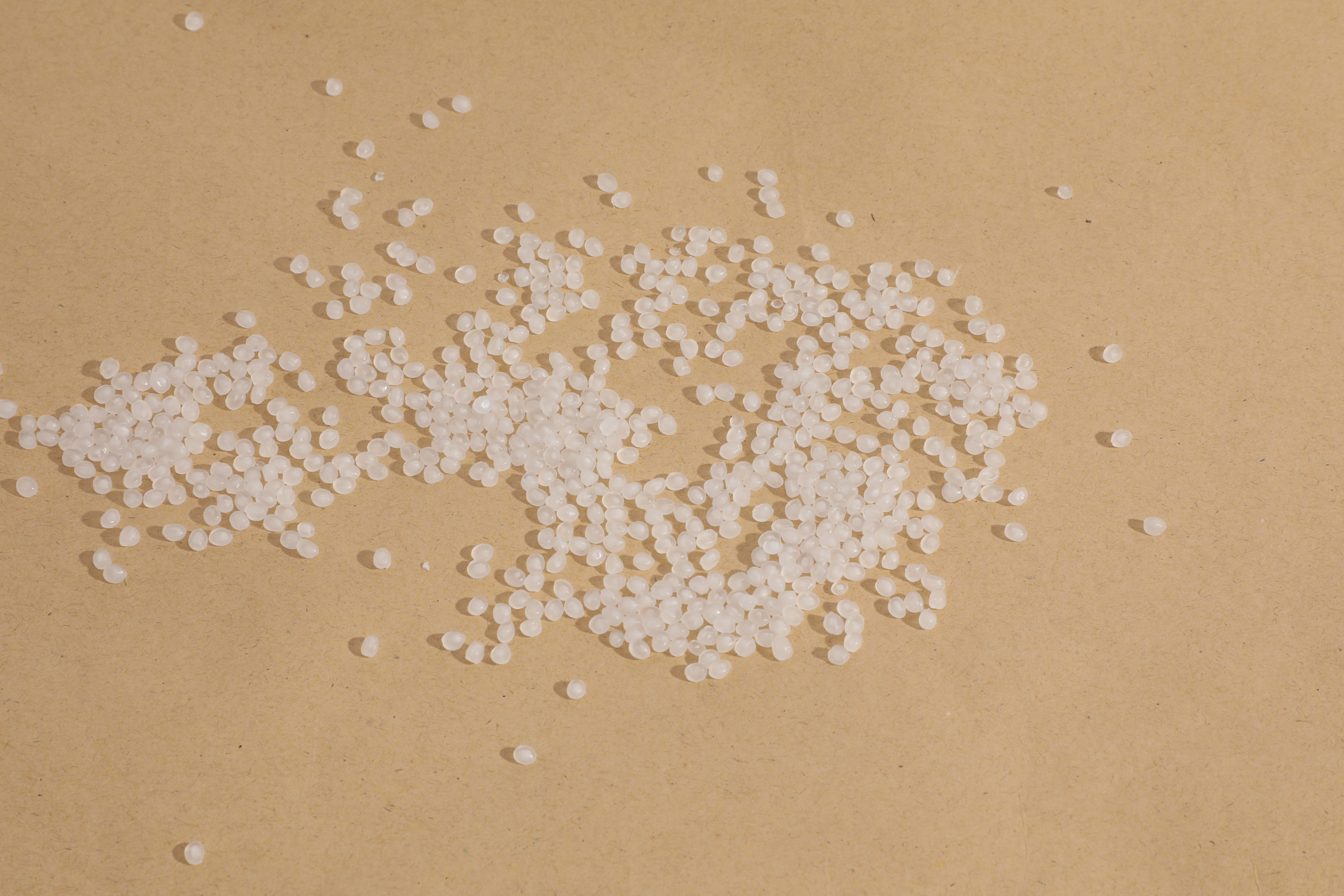

In the competitive landscape of industrial manufacturing, sourcing PP plastic melt machine wholesalers has become a critical decision point for companies aiming to optimize production efficiency while controlling costs. The term “PP plastic melt machine” broadly encompasses equipment used to process polypropylene (PP) materials—from extrusion and injection molding to specialized compounding lines. However, the reliability of such machinery hinges not only on the equipment itself but also on the quality of raw materials and the technical support provided by suppliers. This article delves into the intricacies of sourcing wholesalers for PP plastic melt machines, with a sharp focus on cost control, technical performance, and material compatibility. We will explore how partnering with suppliers like CISKO NEW MATERIAL can offer a competitive edge, while also examining the broader landscape of key industry players.
Before diving into sourcing strategies, it’s essential to define what a “PP plastic melt machine” entails. In industrial contexts, this term often refers to extrusion machines, injection molding machines, or melt-blown fabric production lines specifically designed for polypropylene. These machines operate at temperatures typically ranging from 190°C to 280°C, depending on the grade of PP being processed. The performance of these machines is directly tied to the thermal stability and flow characteristics of the PP resin used.
For instance, a Hanwha TotalEnergies PP compound, which is widely recognized for its consistent melt flow index (MFI) and impact resistance, requires a machine that can maintain precise temperature control to avoid degradation. Similarly, advanced grades like Valiant PEI (a polyetherimide alternative) or SABIC Ultem are not typically processed on standard PP machines, but they serve as a reminder that material selection and machine compatibility go hand in hand.
The key pain points in sourcing such machinery are well-documented: inconsistent material quality, lack of technical documentation, and hidden costs. These challenges are not limited to raw materials; they extend to the equipment itself. A poorly designed melt machine can lead to uneven melting, high scrap rates, and increased energy consumption—factors that directly impact the bottom line.
When evaluating wholesalers for PP plastic melt machines, technical parameters should be the primary filter. These include:
Screw Design and L/D Ratio: The length-to-diameter ratio (L/D) of the screw in an extruder or injection molding unit determines mixing efficiency and material residence time. For PP, an L/D ratio of 24:1 to 30:1 is common, allowing for adequate melting and homogenization without thermal degradation. A leading machine manufacturer might offer a specialized screw geometry for high-MFI PP grades.
Temperature Control Precision: PP has a relatively narrow processing window. Deviations of ±5°C can cause melt instability or burning. Look for machines equipped with PID (proportional-integral-derivative) controllers and multi-zone heating systems. Industry benchmarks suggest that temperature fluctuation should be within ±1°C for premium lines.
Throughput and Energy Efficiency: A true test of a machine’s reliability is its ability to maintain rated throughput (e.g., 500 kg/hour for a compounding line) while minimizing energy consumption per kilogram of output. Energy-efficient drives and insulation layers are features that reduce operational costs over the machine’s lifecycle.
Material Compatibility: The machine should support a range of PP grades—from homopolymers to copolymers and filled compounds. This is where the integration between equipment and raw material supplier becomes crucial. For example, a machine designed to process Hanwha TotalEnergies PP compounds may require specific barrel and screw alloys to handle the higher wear caused by mineral fillers.
The path to acquiring a PP plastic melt machine is rarely linear. Buyers typically choose between three channels: direct from original equipment manufacturers (OEMs), through distributors, or via wholesalers. Each has distinct implications for cost, service, and supply chain reliability.
OEMs offer the highest level of technical support and customization. Companies like KraussMaffei, Milacron, or Engel provide extensive documentation, on-site commissioning, and training. However, this comes at a premium price point. For a mid-sized manufacturing facility, a direct OEM purchase might exceed budget constraints, especially when the goal is cost reduction.
Distributors act as intermediaries, offering a curated selection of machines from multiple OEMs. They often provide localized service and spare parts inventory. The advantage here is flexibility—buyers can compare models from different brands without navigating multiple OEM sales teams. However, distributors add a margin, and the level of technical depth can vary widely.
This is the most cost-sensitive route. Wholesalers aggregate machinery from various sources, often including refurbished or overstock units. The key differentiator for a reliable wholesaler is their ability to provide technical documentation (TDS, SDS, COA) and post-sale support. Without these, buyers risk inheriting machines that lack compliance certificates (e.g., CE, UL) or are not optimized for specific PP grades.
For example, a wholesaler specializing in machinery for CISKO NEW MATERIAL’s product lines—such as SABIC Ultem or Valiant PEI—would need to ensure their equipment meets the higher melt temperatures required by these materials. This is a niche advantage that adds real value.
A common oversight in sourcing PP plastic melt machines is treating the machine and the raw material as independent variables. In reality, material quality—specifically, the consistency of the PP resin—directly affects machine performance. A case study from the aerospace sector illustrates this point well.
Although Ultem is not PP, this example from CISKO NEW MATERIAL’s portfolio highlights the importance of technical collaboration. A tier-1 aerospace supplier in Europe replaced an aluminium seat mounting bracket with an injection-moulded part made from Ultem™ PEI 2300-7301 (30% glass fibre reinforced). The challenge was to achieve a 45% weight reduction while maintaining flame retardancy (FAR 25.853) and structural integrity.
CISKO provided the material with full traceability (TDS, SDS, COA) and processing guidelines. The machine used was a high-performance injection molding unit capable of precise temperature control—essential for Ultem’s narrow window. The result was a 45% weight reduction at a lower unit cost than the original aluminium part.
Key Takeaway: For PP melt machines, similar diligence is required. If the material has batch-to-batch variations in MFI or additive levels, the machine must compensate through adaptive controls. Wholesalers that do not provide material specifications are a red flag.
Industry data shows that inconsistent raw material quality can increase scrap rates by 15–20% and reduce machine uptime by 10%. For a PP melt machine processing 1,000 tons annually, this translates to significant financial loss. Therefore, when sourcing a wholesaler, inquiring about their relationship with material suppliers is critical. For instance, a wholesaler partnered with CISKO NEW MATERIAL would have access to certified PP compounds from Hanwha TotalEnergies, ensuring that the machine’s performance can be validated against a known material standard.
To provide a balanced perspective, it is useful to compare CISKO NEW MATERIAL with other key players in the high-performance plastics and machinery ecosystem. However, direct machine-to-machine comparisons are challenging due to the bespoke nature of industrial equipment. Instead, we focus on the strength of the supplier network and material integration.
CISKO stands out as an authorized distributor of Hanwha TotalEnergies PP compounds and Valiant PEI resins in South China. Their value proposition lies in cost control through localized sourcing and complete regulatory compliance (REACH, RoHS, UL). For a PP plastic melt machine buyer, CISKO offers:

Technical Documentation: Every material shipment comes with batch-specific Certificates of Analysis (COA), ensuring that the machine processes verified material.
Application Support: Their engineers can advise on screw design and temperature profiles for specific PP grades.
Supply Chain Reliability: As a Class A taxpayer with a cross-border supply chain history (since 2015 in Hong Kong), CISKO minimizes stockout risks.
SABIC is the OEM behind Ultem and many PP compounds. While they do not sell machines directly, their material specifications often become the benchmark for machine design. A wholesaler that stocks SABIC-compatible machines is likely to have higher engineering standards. However, SABIC’s distribution network is less focused on the small-to-medium enterprise segment, which is where CISKO excels.
BASF offers a broad portfolio of PP grades, including high-performance variants. Their technical support is world-class, but their pricing reflects the premium brand. For a cost-conscious buyer, the value of BASF material might be offset by the higher machine wear caused by aggressive fillers.
Companies like Haitian International and Yizumi dominate the mid-range injection molding market. Their machines are competitive on price but may lack the advanced temperature control features needed for niche PP grades. Here, a wholesaler that integrates material recommendations from CISKO can bridge the gap, offering machines optimized for specific compounds.
Cost control in sourcing PP plastic melt machines goes beyond the purchase price. A comprehensive framework includes:
| Cost Factor | Direct Impact | Mitigation Strategy |
|---|---|---|
| Energy Consumption | 30–50% of operating cost | Choose machines with high-efficiency motors and insulation. |
| Scrap Rate | 5–20% of output | Insist on material traceability and machine calibration. |
| Downtime | $500–$5,000/hour | Prefer wholesalers with local service networks and spare parts inventory. |
| Compliance Failures | Recalls or fines | Require CE/UL certification for the machine and REACH compliance for the material. |
Recommendation: When evaluating a wholesaler, ask for three data points: (1) the average energy consumption per kilogram of PP processed, (2) the warranty period for the screw/barrel assembly, and (3) examples of previous installations with documented material standards.

A reliable PP plastic melt machine wholesaler should provide the same level of documentation that a top-tier material supplier like CISKO offers. This includes:
Machine Technical Data Sheet (TDS): Details on motor power, screw geometry, temperature zones, and throughput capacity.
Safety Data Sheet (SDS): For any associated fluids or cleaning agents.
Certificate of Analysis (COA): For the machine’s performance test results, often done with a standard PP grade.
Without these, the buyer is operating blind. A study from a leading industry journal suggested that 72% of machine failures in the first year are linked to improper installation or incompatible material specifications—issues that proper documentation would have prevented.
Sourcing reliable PP plastic melt machine wholesalers is a multidimensional challenge that requires balancing cost, technical performance, and material expertise. As the industry moves towards more sustainable and efficient production, the role of wholesalers who can integrate material traceability and machine optimization will become increasingly important.
For companies like those supplied by CISKO NEW MATERIAL, the future lies in partnerships that bridge the gap between raw material quality and machine reliability. By adopting a cost control framework that prioritizes technical documentation, energy efficiency, and supplier transparency, buyers can reduce operational risks and improve profitability.
The next wave of innovation in PP plastic melt machines will likely focus on Industry 4.0 integration—machines that automatically adjust parameters based on real-time material analysis. Wholesalers that are early adopters of such technology will have a decisive advantage. For now, the most prudent strategy is to source from wholesalers that treat material and machine as a unified system, not as separate purchases.
In summary, whether your priority is sheer cost reduction or technical precision, the key is to verify that every component of the supply chain—from the PP resin to the melt machine—is backed by verifiable data and proven performance.


Leave a comment