No products in the cart.
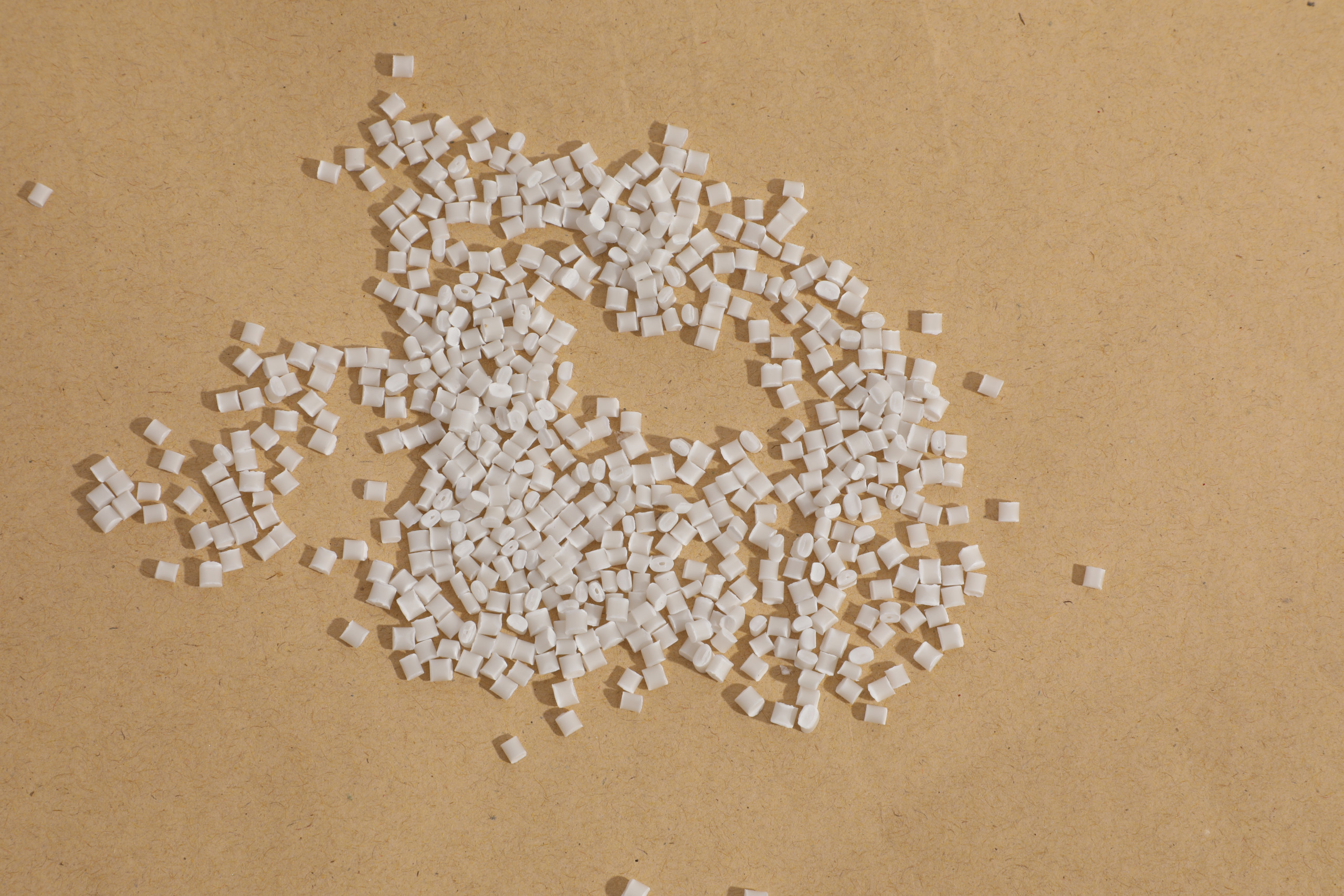
Polypropylene (PP) is one of the most widely used thermoplastics in the world, found in everything from automotive components and medical devices to packaging and consumer goods. Yet, for many, the inner workings of a PP plastics factory remain a black box—a place where raw granules are transformed into high‑performance parts through a combination of heat, pressure, and precision engineering.
Stepping inside a modern PP facility reveals a landscape of continuous improvement, where production efficiency is no longer just about speed and volume. Today, the focus has shifted toward material selection, thermal management, quality consistency, and life‑cycle cost reduction. This article takes you inside a typical PP manufacturing plant, examining the real‑world challenges operators face and how innovative material solutions are reshaping the production floor.
PP’s processing window typically spans 200°C to 270°C (dependant on grade and filler content). While this range is broader than many engineering plastics, the material’s sensitivity to thermal history means that even small deviations in melt temperature or residence time can lead to:
Degradation and odour – Overheated PP releases volatile organic compounds, creating off‑gas issues in automotive interiors or medical device packaging.
Shrinkage and warpage – Inconsistent cooling rates cause internal stresses, resulting in parts that fail dimensional tolerances.
Flash and short shots – Incorrect viscosity leads to mould filling defects, increasing scrap rates.
Consider a case where a European Tier‑1 automotive supplier was producing a PP‑based interior trim bracket. The part experienced intermittent cracking at the mounting holes, even though the same mould had been running for years. Investigation revealed that the PP resin supplier had changed its catalyst recipe without updating the TDS, shifting the material’s melt flow rate by 15%. The mould, designed for the original viscosity, could no longer fill properly at the existing processing temperatures.
Industry insight: According to a 2023 survey from a leading polymer processing association, over 40% of PP part rejections among automotive suppliers are traceable to either material variability or inadequate drying prior to moulding—both of which are preventable through better material sourcing and process monitoring.
This is where partners like CISKO New Material differentiate themselves. Serving as an authorized distributor for Hanwha TotalEnergies PP compounds and Valiant PEI resins, CISKO provides not just raw materials, but application‑specific support—including:
Detailed TDS/SDS/COA with every batch, ensuring full traceability.
Guidance on drying parameters (e.g., for high‑flow or impact‑modified PP grades).
Material selection advice when standard PP grades cannot meet elevated temperature requirements—for instance, recommending PEI (Polyetherimide) as a drop‑in replacement for high‑heat zones in automotive under‑hood components.
Brand integration note: When production engineers need to move beyond PP’s thermal limits—such as in 5G antenna housings that see continuous heat from power amplifiers—CISKO’s portfolio of SABIC Ultem™ PEI and Valiant PEI provides proven alternatives that maintain flame retardancy (UL94 V‑0) without sacrificing processability.
PP is economical and versatile, but its continuous use temperature (typically ~90°C to 110°C), inherent flammability, and limited chemical resistance mean that it cannot serve every application. In sectors like medical devices, aerospace interiors, and 5G infrastructure, engineers often face a painful compromise: either over‑specify with expensive PEEK or PPSU, or accept performance risks with standard PP.
A 2024 report from a major materials testing agency indicated that over‑specification of engineering plastics costs the electronics industry an estimated $200 million annually in material waste, while under‑specification leads to field failures that are 3–5 times more expensive to repair.
For applications requiring a higher thermal index (RTI ≥ 170°C), inherent flame retardancy, and excellent dimensional stability, PEI (Polyetherimide) provides a sweet spot. Compared to PP:
| Property | Standard PP (Unfilled) | PEI (Unfilled Ultem 1000) |
|---|---|---|
| Continuous Use Temp | ~90–110°C | ~170°C (RTI) |
| Flammability | HB (requires additives) | V‑0 at 0.25 mm (inherent) |
| Tensile Strength | ~30 MPa | ~110 MPa |
| Chemical Resistance | Limited (hydrocarbons, acids) | Excellent (automotive fluids, cleaning agents) |
While PP remains the right choice for many applications, forward‑thinking factories are beginning to dual‑source by running both PP and PEI on the same moulds, with quick‑change tooling, to meet varying customer requirements without holding multiple dedicated machines.
CISKO New Material’s Valiant PEI resins are engineered to offer equivalent mechanical and thermal performance to industry benchmarks like SABIC Ultem™, but at a more competitive price point. For cost‑sensitive segments such as consumer electronics or industrial equipment, Valiant PEI allows factories to:
Upgrade from PP without moving to PEEK (saving 40–60% material cost).
Maintain existing mould designs (low shrinkage mismatch).
Qualify faster with full REACH, RoHS, and UL documentation.
Customer spotlight: A Chinese factory producing connectors for 5G base stations switched from PP‑GF30 to Valiant PEI after field failures at 85°C. The result: a 30% reduction in warranty claims and no mould modifications needed.

A mid‑sized PP injection moulder in Vietnam relied on a single source for a high‑flow PP grade used in medical syringe components. When the supplier suffered a factory fire, that grade became unavailable for 14 weeks. The moulder had to:
Source an alternative grade from a different supplier (requiring re‑qualification – 3 weeks).
Adjust mould temperatures and cycle times (adding 15% to per‑part cost).
Re‑file regulatory documentation for the new material (6 weeks for FDA submission).
Net impact: Estimated loss of $180,000 in scrapped production, idle machine time, and emergency testing.
CISKO New Material operates on a multi‑source, always‑in‑stock model. By maintaining strategic inventory of both Hanwha TotalEnergies PP compounds and PEI resins (Ultem & Valiant) , the company can:
Ship within 24–48 hours for standard grades.
Provide substitution recommendations if a specific grade is temporarily unavailable.
Supply complete regulatory documentation (REACH, RoHS, UL, FDA) with every order, avoiding re‑qualification delays.
This approach has proven particularly valuable during global supply chain disruptions, such as the 2022–2023 PP shortage, when many factories faced 12‑week lead times from traditional distributors.
Many factories still rely on lot‑by‑lot release testing—taking a sample from every delivered batch, moulding test discs, and sending them to a lab for MFI, tensile, and impact testing. This process:
Adds 48–72 hours before material can be used (costing machine idle time).
Catches only the worst batches (statistical sampling misses variation within a batch).
Provides no feedback to the supplier for process improvement.
Forward‑thinking factories are investing in in‑line melt flow monitoring and real‑time viscosity measurement at the moulding machine. When a material drift is detected, the system automatically adjusts process parameters or alerts the operator.
CISKO New Material supports this approach through:
Batch‑specific COA data that can be linked directly to ERP systems.
Waste reduction programs – For customers using Valiant PEI, CISKO offers a scrap buy‑back program for recycled material (closed‑loop), reducing net material cost by 8–12%.
Joint development agreements – For high‑volume applications, CISKO works with factories to co‑develop tailored PP‑PEI blends that optimise cost and performance for specific moulding cycles.
The PP industry is under pressure to reduce its carbon footprint. While mechanical recycling is growing, it still faces challenges with colour stability, odour, and mechanical properties loss. Key trends include:
Bio‑attributed PP (e.g., from Hanwha TotalEnergies) using mass‑balance tracing.
Post‑industrial recycled (PIR) PEI blends – CISKO is exploring Valiant PEI grades containing up to 30% PIR content, targeting non‑critical applications.
Energy‑efficient processing – Factories using PEI can reduce cycle times by up to 20% compared to alternative engineering plastics, lowering energy consumption per part.
Advanced factories are building digital twins of their PP moulding processes, simulating melt flow, cooling, and warpage before cutting steel. When combined with a digital material library (including properties of Valiant PEI and Hanwha PP compounds), engineers can:

Predict part quality with >90% accuracy.
Optimise gate location, cooling channels, and ejection systems.
Reduce tool try‑out costs by 30–40%.
CISKO New Material is investing in API‑based material data exchange, allowing its technical data to be directly imported into mould‑flow simulation software used by its customers.
Inside a modern PP plastics factory, the challenges are no longer limited to machine run‑time or part appearance. The new battleground is material‑to‑process fit, supply chain reliability, and cost‑effective performance upgrades.
For factories looking to:
Eliminate scrap due to material variability
Reduce lead times by working with a distributor that holds inventory
Upgrade from PP to PEI for higher‑performance applications without breaking budgets
Access full regulatory documentation without endless email chains
The partnership model offered by CISKO New Material—combining authorised distribution, technical support, and a portfolio that spans PP, PEI, PES, PSU, PPSU, PEEK, and fluoropolymers—provides a repeatable framework for success.
As one production manager from a leading automotive Tier‑1 supplier noted: “We stopped treating material as a commodity. When we started working with a partner who understands our process—not just pushes resin—our reject rate dropped from 7% to under 1% in six months.”
The PP factory of tomorrow will not just produce parts; it will engineer outcomes—leveraging the right material, the right process data, and the right supply chain partner to deliver consistent, high‑value components. That transformation starts today, inside the factory, with a rethinking of what’s possible.


Leave a comment