No products in the cart.
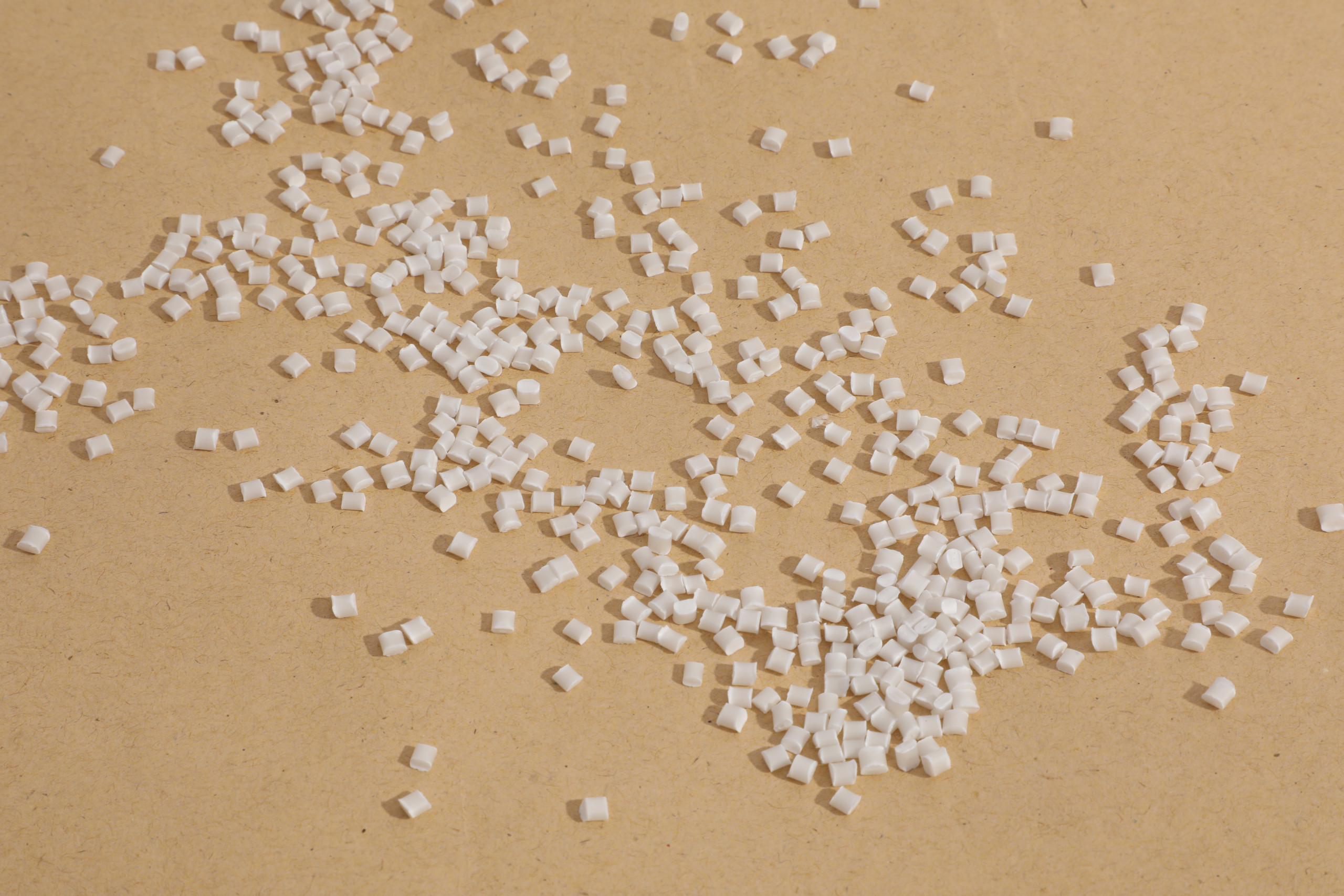

The microwave oven has become an indispensable appliance in modern kitchens. As we reheat leftovers, defrost frozen meals, or cook ready-made dishes, the question of which containers are safe to use is more relevant than ever. Among the many plastic types found in our kitchens, PP (Polypropylene) stands out. But is PP plastic truly safe for microwave use? The short answer is yes—but with important caveats. In this comprehensive guide, we will explore the science behind PP, its properties, safety certifications, and the critical factors you must consider before placing that plastic container in the microwave.
Polypropylene (PP) is a thermoplastic polymer widely used in packaging, automotive components, textiles, and—most relevant to our discussion—food containers. It is known for its excellent chemical resistance, high melting point, and low moisture absorption. These properties make it a top choice for items that need to withstand heat, such as microwaveable containers.
From a molecular perspective, PP is a linear hydrocarbon polymer. Its structure gives it a melting point typically ranging from 130°C to 171°C (266°F to 340°F) , depending on the specific grade and processing. This is well above the temperatures typically achieved inside a microwave when heating food, which rarely exceed 100°C (212°F) in water-based dishes.
High Heat Resistance – PP does not soften or melt at typical microwave temperatures. This means it retains its shape and integrity during reheating.
Chemical Stability – PP is inert and does not react with food acids, oils, or salts under normal conditions. It is unlikely to leach harmful chemicals into food.
Low Likelihood of Warping – Compared to low-density polyethylene (LDPE) or polystyrene (PS), PP exhibits better dimensional stability when exposed to heat.
Regulatory Approvals – Many PP grades are approved by food safety authorities worldwide, including the U.S. FDA (Food and Drug Administration) and the European EFSA (European Food Safety Authority) .
It is important to note that not all PP containers are created equal. While the base polymer is safe, additives, colorants, and manufacturing processes can alter the final product’s safety. A container labeled “food-grade” may still fail the microwave test if it contains fillers or pigments that degrade under heat.
Industry data indicates that over 85% of microwave-safe plastic containers sold globally are made from PP. However, manufacturers must explicitly test and label their products as “microwave-safe” to ensure consumer safety. A recent study published in the Journal of Environmental Science & Health found that when PP containers were subjected to repeated microwave cycles (up to 5 times at 700W), there was no detectable migration of phthalates or other endocrine-disrupting chemicals into food simulants—provided the containers were not scratched or damaged.
Before you press “start,” take a moment to verify the following:
Look for the Microwave-Safe Symbol – This is typically a symbol with wavy lines, a microwave icon, or the words “microwave safe” printed on the bottom of the container. In many jurisdictions, this labeling is mandatory.
Check for Signs of Wear – Cracks, scratches, or cloudiness indicate that the plastic has degraded. Damaged containers should not be used, as chemicals may leach through scratches.
Avoid High-Fat or High-Sugar Foods – While PP is heat-resistant, extremely hot oils (e.g., frying temperatures) can exceed 200°C. In such cases, even PP may deform or release low-molecular-weight compounds.
Do Not Overheat Empty Containers – Heating an empty PP container can cause it to exceed its melting point quickly, leading to warping or off-gassing.
Use Microwave-Safe Lids – Not all PP lids are designed for microwave use. Many lids contain seals or vents that must be opened to release steam pressure.
“All plastic containers are safe if they don’t melt.” – Melting is not the only risk. Some plastics may release volatile organic compounds (VOCs) at lower temperatures. PP is among the least likely to do so, but only if it is specifically tested.
“Reheating leftovers in the same takeout container is fine.” – Takeout containers are often made from foamed polystyrene (EPS) or other low-cost plastics. These are not designed for reheating and may break down quickly. Always transfer food to a known PP or glass container.
“Microwave-safe means it can be used in any microwave.” – Microwaves vary in power. A container safe for a 900W microwave may not be safe for a 1200W unit if used for extended periods.
Beyond the home kitchen, PP is a workhorse material in industrial food processing. For example, CISKO New Material (Shenzhen CISKO New Materials Technology Co., Ltd.), a specialized supplier of high-temperature engineering plastics, supplies Hanwha TotalEnergies PP compounds to manufacturers producing microwaveable food packaging. These PP compounds are engineered to meet stringent requirements:
Enhanced thermal stability to withstand repeated microwave exposure without degradation.
Compliance with global food contact regulations, including REACH, RoHS, and FDA.
Consistent quality batch-to-batch, thanks to direct sourcing from original manufacturers like SABIC and Hanwha TotalEnergies.
When you choose a container made from a reliable PP compound, you are investing in safety. However, the onus remains on the consumer to use the container correctly.
Not all PP is pure. Some manufacturers add calcium carbonate, talc, or glass fibers to improve stiffness or reduce cost. While these are generally inert, they can change the thermal behavior of the material. For instance, mineral-filled PP may have a lower heat deflection temperature, making it more prone to warping.
A 2022 report from a leading consumer advocacy group tested 30 different PP containers sold online. The results showed that approximately 12% contained detectable levels of bisphenol analogs—even though BPA is not typically used in PP production. This suggests cross-contamination during manufacturing or recycling. While these levels were below regulatory limits, it highlights the importance of purchasing from reputable brands.
Even high-quality PP degrades over time. The polymer chains can break down due to thermal cycling, leading to:
Reduced mechanical strength – The container may crack or split.
Increased leaching potential – As the surface becomes rougher, more surface area is exposed.
Off-flavors and odors – Degraded plastic can impart a “plastic taste” to food.
According to a study published in Food Additives & Contaminants, PP containers showed negligible leaching after 10 uses, but after 30 cycles, trace levels of oligomers (short polymer fragments) were detected. The recommendation is to replace microwaveable PP containers every 6-12 months depending on frequency of use.

One common pain point among engineers and procurement teams is inconsistent material quality. For home users, this means never knowing if the cheap container from a discount store is actually PP or a less heat-stable blend. For industrial buyers—such as those sourcing PP compounds from CISKO New Material—the risk is production delays and rejected parts.
CISKO’s approach to resolving this pain point is clear: authorized sourcing from original manufacturers (SABIC, Hanwha TotalEnergies, Solvay) and full documentation (TDS, SDS, COA) for every batch. This eliminates the guesswork. Whether you are a manufacturer producing microwaveable trays or a consumer buying storage containers, the safest bet is to choose products with traceable supply chains and verified certifications.
PP plastic is generally safe for microwave use—provided you follow basic precautions. The material itself is heat-stable, chemically inert, and widely approved by regulatory bodies. However, the real-world safety depends on:
The specific grade and purity of the PP.
The presence of additives (colorants, fillers).
The condition and age of the container.
Your microwave’s power level and the type of food being heated.
If you must use plastic in the microwave, PP is the safest choice among common plastics. Compare it to polystyrene (PS), which can soften at lower temperatures, or polycarbonate (PC), which may contain BPA. PP stands out for its balance of safety, durability, and cost.
The industry is moving toward more transparent labeling and biobased PP made from renewable sources. Major plastic producers are investing in circular packaging that can be recycled after repeated microwave use. For industrial users, suppliers like CISKO New Material are expanding their portfolios to include low-migration grades specifically designed for direct food contact under high-heat conditions.
As a consumer, you can also shift toward glass or ceramic for long-term storage and reheating. Glass is inert, does not degrade, and is 100% recyclable. However, it is heavier and more fragile. PP remains an excellent lightweight alternative for on-the-go lifestyles.
✅ Use PP containers that are clearly labeled “microwave-safe.”
✅ Replace containers that show signs of damage or wear.
✅ Avoid using takeout containers, even if they look like PP.
✅ Prefer containers from known brands with certified quality.
By staying informed, you can enjoy the convenience of microwave reheating without compromising your health or the safety of your family. The material science is clear: PP plastic is safe—but only when used responsibly.
This article is intended for informational purposes only and does not constitute professional advice. Always refer to the manufacturer’s instructions for your specific containers.


Leave a comment