No products in the cart.
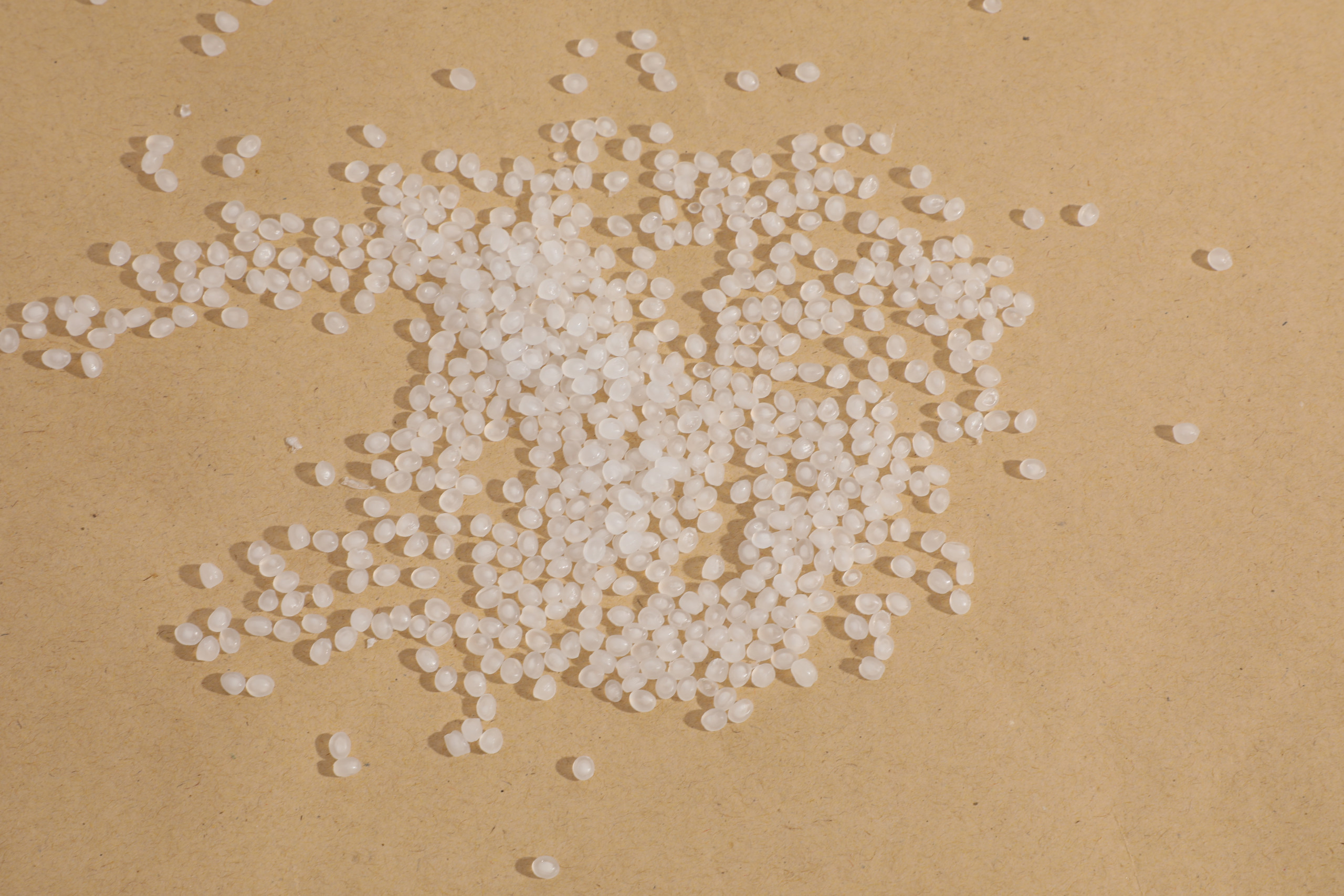

Polypropylene (PP) is one of the most widely used thermoplastics in the world, found in everything from automotive components and medical devices to packaging and consumer goods. But when you’re designing a part or sourcing materials, one critical parameter demands your attention: the PP plastic melting point. Understanding this property isn’t just about academic knowledge—it directly impacts your manufacturing process, product performance, and cost efficiency.
In this article, we’ll dive deep into the melting behavior of PP, explore how it varies across different grades and applications, and share practical insights to help you make smarter material decisions. Whether you’re a veteran engineer or a procurement specialist, this guide will equip you with actionable knowledge you can apply today.
Let’s start with the basics. The PP plastic melting point typically falls within the range of 130°C to 171°C (266°F to 340°F) . However, this is not a single, fixed number. The exact melting temperature depends on the type of PP, its molecular weight, and the degree of crystallinity.
Unlike pure elements (like water, which melts at a precise 0°C), polymers like PP are semi-crystalline. They consist of both crystalline regions (where molecular chains are neatly aligned) and amorphous regions (where chains are randomly coiled). The crystalline portion melts at a well-defined temperature, while the amorphous portion softens gradually. This is why PP has a melting range rather than a sharp point.
Homopolymer PP (the most common type) has a melting point around 160°C to 171°C.
Copolymer PP (which includes ethylene for improved impact resistance) melts at a slightly lower range, typically 135°C to 165°C.
When processing PP—whether by injection molding, extrusion, or blow molding—you must heat the material above its melting point but below its degradation temperature. For most standard PP grades, the recommended processing temperature is 190°C to 280°C. Exceeding 300°C for prolonged periods can cause thermal degradation, leading to brittle parts, discoloration, and unpleasant odors.
A leading industry report notes that approximately 65% of PP processing issues stem from incorrect temperature settings, highlighting the importance of understanding your material’s specific melting behavior.
Knowing the PP plastic melting point is one thing; understanding how it influences your product’s performance and production efficiency is another. Let’s look at two common application scenarios to illustrate the practical implications.

PP is widely used in automotive applications like battery cases, fan shrouds, and fluid reservoirs because of its chemical resistance and low cost. However, under‑the‑hood temperatures can exceed 120°C, especially near the engine. If the PP grade you choose has a melting point near this threshold, the part may soften or deform over time.
The Solution: Select a high‑heat PP grade or a reinforced version. For example, glass‑fiber reinforced PP compounds (such as those from Hanwha TotalEnergies, distributed by CISKO New Material) can maintain dimensional stability at elevated temperatures. The glass fibers increase the heat deflection temperature (HDT) from around 100°C (unfilled) to over 150°C, while the melting point itself remains similar. This is a classic case where processing parameters must align with the material’s thermal limits to ensure long‑term reliability.
PP is often used for sterilization trays, syringe components, and IV connectors because it can withstand steam autoclaving (121°C to 134°C). The PP plastic melting point must be high enough that the part doesn’t warp during repeated sterilization cycles.
A Practical Tip: For medical applications, choose a high‑crystallinity homopolymer PP with a melting point at the upper end of the range (around 170°C). Lower‑melting copolymers may soften during autoclaving, leading to dimensional changes. Additionally, ensure that the material meets USP Class VI or ISO 10993 biocompatibility standards—something CISKO New Material can verify through complete documentation for every batch.
To truly master material selection, you need to understand the variables that affect the PP plastic melting point and its practical implications.
The crystalline structure of PP is not fixed; it depends on how the material is cooled during processing. Fast cooling (quenching) reduces crystallinity, resulting in a lower apparent melting point and less dimensional stability. Slow cooling allows more time for crystals to form, increasing crystallinity and the effective melting point.
Industrial Insight: In injection molding, mold temperature controls the cooling rate. A mold temperature of 20°C will yield a part with about 40% crystallinity, while a mold temperature of 80°C can increase crystallinity to 60–70%. The choice affects not only the melting behavior but also the part’s stiffness, impact resistance, and surface finish.
PP is rarely used in its pure form. Additives like UV stabilizers, flame retardants, or nucleating agents can shift the melting point. For example:
Nucleating agents increase crystallization temperature, which can slightly raise the effective melting point.
Flame retardants (like halogen‑free systems) may reduce the melting point by interfering with crystal formation.
Fillers like talc or glass fibers do not change the polymer’s intrinsic melting point but improve heat deflection temperature (HDT) and stiffness.
Higher molecular weight PP has longer polymer chains, which require more energy (heat) to move. This results in a slightly higher melting point and better mechanical strength. The Melt Flow Index (MFI) is an indirect measure of molecular weight: a low MFI indicates high molecular weight and higher melt viscosity.
Engineering Note: For thin‑walled injection molding, you need a high‑MFI (low molecular weight) grade for better flow, even if the melting point is slightly lower. For extrusion or blow molding, lower MFI grades are preferred for higher melt strength.
Understanding where PP stands relative to other materials helps you make informed trade‑offs. Below is a concise comparison of the PP plastic melting point with other high‑performance polymers.
| Material | Typical Melting Point (°C) | Key Strengths | Typical Applications |
|---|---|---|---|
| Polypropylene (PP) | 130–171 | Low cost, chemical resistance, good fatigue life | Packaging, automotive, medical |
| Polyethylene (PE) | 105–135 | Excellent chemical resistance, flexibility | Films, containers, pipes |
| Nylon 6 (PA6) | 220–225 | High strength, wear resistance | Gears, bearings, structural parts |
| Polycarbonate (PC) | 147–155 (Tg) | High impact strength, optical clarity | Lenses, glazing, electronics |
| Polyetherimide (PEI) | 217 (Tg) | Exceptional heat resistance, inherent flame retardancy | Aerospace, 5G, medical devices |
| PEEK | 343 | Extreme thermal and chemical resistance | Aerospace, semiconductor, oil & gas |
As the table shows, PP offers a favorable balance of cost and performance for many applications, but it cannot match the high‑temperature capabilities of advanced plastics like PEI or PEEK. For instance, SABIC Ultem™ PEI (available through CISKO New Material) has a glass transition temperature of 217°C and maintains mechanical properties well beyond PP’s limits. This makes PEI the preferred choice for demanding environments such as 5G communication antennas or aerospace interior components.
Even with a solid understanding of melting points, many buyers encounter issues during material sourcing. Here are three common pitfalls and how to avoid them.
A leading industry survey found that 30% of manufacturers report batch‑to‑batch variations in PP properties. These inconsistencies often stem from differences in the resin’s molecular weight distribution or additive levels. Such variations can cause the PP plastic melting point to shift by 5–10°C, leading to processing problems and reject parts.
How to Mitigate: Work with suppliers who provide a Certificate of Analysis (COA) with every shipment. A reliable partner like CISKO New Material ensures full traceability from the original manufacturer—whether it’s SABIC, Hanwha TotalEnergies, or BASF—so you always know exactly what you’re getting.
If you’re sourcing PP for a regulated application (e.g., food contact, medical, or automotive), you need complete documentation. Without a Technical Data Sheet (TDS), Safety Data Sheet (SDS), and compliance certificates (e.g., REACH, RoHS, FDA), you could fail an audit or face legal liability.
Best Practice: Always request these documents before placing an order. If a supplier hesitates or provides incomplete information, consider it a red flag.
The cost of PP resin is not just the raw material price. Long lead times, unreliable supply, and unexpected shipping charges can inflate your total cost. A DDP (Delivered Duty Paid) arrangement can simplify procurement and avoid surprise fees.
Pro Tip: For critical projects, establish a safety stock agreement with your supplier. CISKO New Material maintains regional warehouses to reduce lead times, helping you avoid production downtime.
The global PP market is evolving, driven by sustainability, performance demands, and regulatory changes. Here are three trends that will influence the PP plastic melting point and its application in the coming years.
As manufacturers seek to reduce their carbon footprint, bio‑based PP (derived from renewable sources like sugarcane) and recycled PP are gaining traction. These materials can have melting points very similar to virgin PP, but they may contain impurities or degraded polymers that affect thermal stability.
Industry Implication: If you plan to use recycled PP, you must thoroughly test its thermal and mechanical properties. Some grades may require lower processing temperatures to avoid degradation.
To bridge the gap between standard PP and expensive engineering plastics, compounders are developing PP‑based formulations with enhanced heat resistance, stiffness, and flame retardancy. For example, PP compounds with mineral fillers or long‑glass fibers can achieve HDT values exceeding 160°C while maintaining the cost advantages of PP.
Supplier Viewpoint: CISKO New Material offers a range of Hanwha TotalEnergies PP compounds that are tailored for automotive and electrical applications. These materials provide a balanced combination of thermal stability, mechanical strength, and processability.
Digital tools are transforming how engineers and buyers select materials. Platforms that aggregate TDS, COA, and application‑specific data are becoming indispensable. In the near future, you might use AI‑powered search tools to instantly compare the PP plastic melting point, MFI, and other properties across dozens of suppliers.
Strategic Recommendation: Evaluate your supplier’s digital capabilities. Do they offer an online portal for instant documentation? Can they provide batch‑specific data on demand? These features can save you hours of manual searching and reduce the risk of specification mismatches.

Mastering the PP plastic melting point is more than memorizing a number—it’s about understanding how this parameter influences material selection, processing, and part performance. By considering factors like crystallinity, additives, and molecular weight, you can tailor your choice to your specific application. And by partnering with a reliable supplier—one that offers genuine materials, complete documentation, and technical support—you can avoid costly mistakes.
As the materials landscape evolves, staying informed about new PP grades and sustainability trends will give you a competitive edge. Whether you’re designing a medical device, an automotive component, or an industrial part, the principles we’ve covered here will help you make confident, data‑driven decisions.
For your next project, consider reaching out to a specialist like CISKO New Material for guidance. With a portfolio that spans from standard PP to high‑performance PEI and PEEK, their team can help you find the optimal solution—backed by the documentation and supply chain reliability you need to succeed.


Leave a comment