No products in the cart.
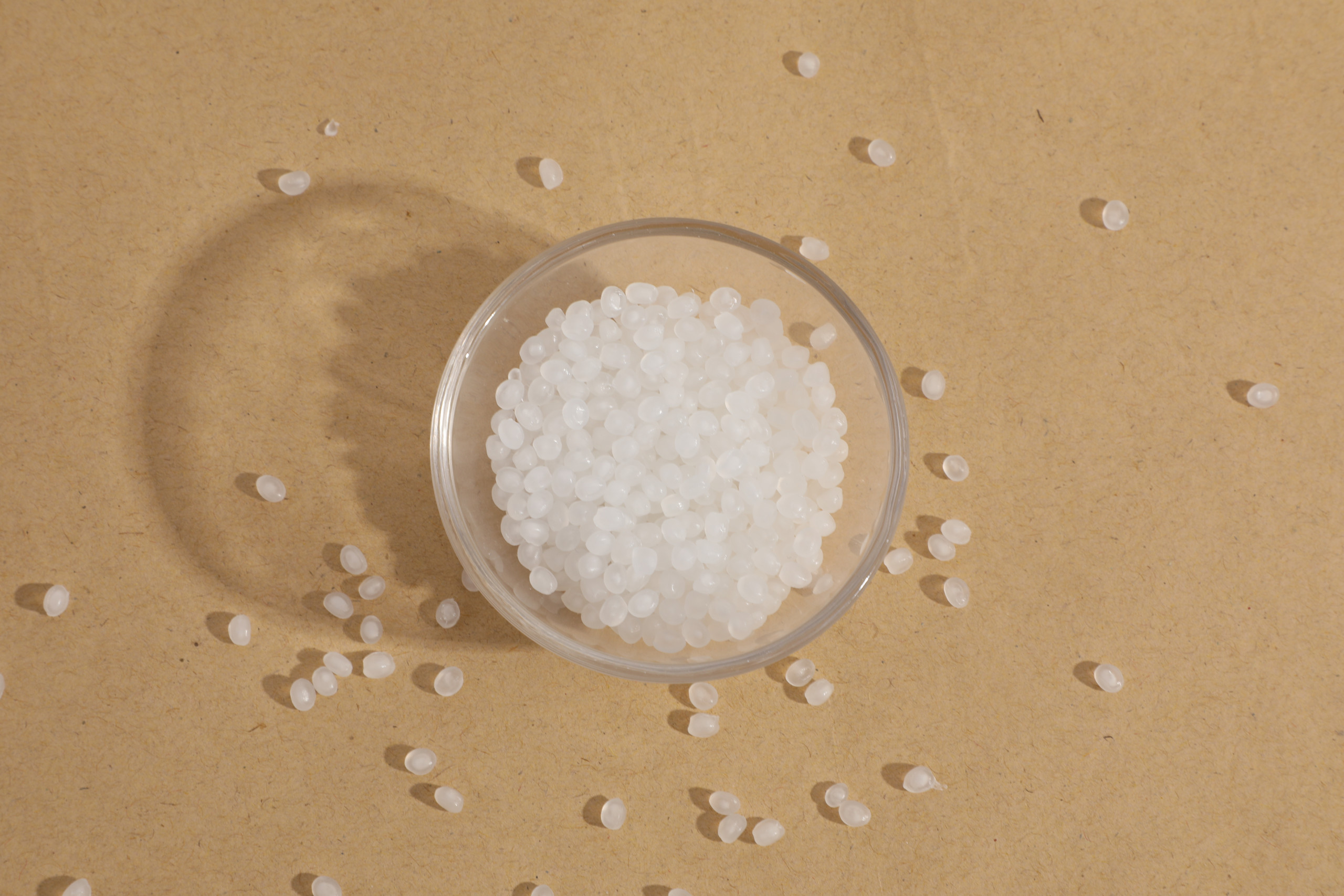

When we think of “plastics,” images of water bottles, grocery bags, or non-stick pans often come to mind. Yet, the vast world of engineering plastics – specifically PP (Polypropylene), PE (Polyethylene), and PTFE (Polytetrafluoroethylene) – is far more sophisticated and critical to modern industry than most people realize. These materials are not just everyday commodities; they are the unsung heroes behind everything from medical implants and aerospace components to high-speed telecommunications infrastructure and automotive safety systems.
This article provides an in-depth, professional comparison of PP, PE, and PTFE, exploring their fundamental properties, market applications, and the critical role of specialized suppliers like CISKO New Material in bridging the gap between commodity plastics and high-performance demands. We will dissect why choosing the right material – and the right partner – can be the difference between innovation and costly failure.
Before diving into specific grades and applications, it’s essential to establish a baseline understanding of each polymer’s unique chemistry and physical characteristics.
PP is a semi-crystalline thermoplastic known for its excellent chemical resistance, fatigue resistance, and low density. It’s one of the most widely used plastics in both commodity and engineering applications.
Key Properties:
Lightweight: Density of ~0.905 g/cm³, making it lighter than water.
Chemical Resistance: Resistant to many acids, bases, and organic solvents.
Fatigue Resistance: Excellent for living hinges (e.g., bottle caps).
Low Moisture Absorption: Maintains mechanical properties in humid environments.
Limitations: Lower impact strength at room temperature compared to some engineering plastics; susceptible to UV degradation without stabilizers.
PE is also a semi-crystalline polymer, but its properties vary dramatically based on molecular weight and branching. The main types are HDPE (High-Density Polyethylene), LDPE (Low-Density Polyethylene), and UHMWPE (Ultra-High Molecular Weight Polyethylene).
Key Properties (HDPE as the benchmark):
Excellent Toughness: High impact resistance, even at low temperatures.
Low Coefficient of Friction: Good wear resistance, especially in UHMWPE grades.
Excellent Electrical Insulation: High dielectric strength.
Moisture Barrier: Very low water absorption.
Limitations: Relatively low heat resistance (continuous use around 80-120°C for HDPE); poor creep resistance under sustained load at higher temperatures.
PTFE stands apart as a high-performance fluoropolymer. Its unique molecular structure – a carbon backbone completely surrounded by fluorine atoms – gives it extraordinary properties.
Key Properties:
Extreme Temperature Range: Continuous use from -200°C to +260°C.
Ultimate Chemical Resistance: Inert to nearly all chemicals, even strong acids and bases.
Lowest Coefficient of Friction: Among all solid materials.
Excellent Dielectric Properties: Outstanding for high-frequency (5G) and microwave applications.
Non-Stick: The original “non-stick” material.
Limitations: Poor creep resistance (cold flow); difficult to process (requires sintering techniques); high cost.
The table below provides a high-level comparison of key metrics, but the real-world decision always depends on the specific operating conditions.
| Property | PP (General Purpose) | PE (HDPE) | PTFE (Standard Grade) | CISKO Perspective & Commentary |
|---|---|---|---|---|
| Density (g/cm³) | 0.90 – 0.91 | 0.94 – 0.97 | 2.1 – 2.2 | PTFE is nearly 2.3x denser than PP/PE, impacting part weight. |
| Continuous Use Temp (°C) | 80 – 120 | 80 – 120 | 260 | PTFE vastly outperforms for high-heat environments. |
| Tensile Strength (MPa) | 30 – 40 | 20 – 35 | 20 – 35 | PP/HDPE are comparable; UHMWPE can exceed 50 MPa. |
| Coefficient of Friction | 0.3 – 0.4 | 0.2 – 0.3 | 0.04 – 0.05 | PTFE is the undisputed champion for low friction. |
| Chemical Resistance | Good | Excellent | Excellent | PTFE is inert; PE is excellent; PP is good but attacked by strong oxidizers. |
| Dielectric Constant (1 MHz) | 2.2 – 2.3 | 2.3 – 2.4 | 2.0 – 2.1 | All three are good, but PTFE is superior for ultra-high frequencies. |
Industry Insight: A leading automotive supplier reported using CISKO New Material’s technical expertise to replace a problematic PP-based under-hood connector with a specific PEI grade from the Valiant PEI series. Why? The PP part failed due to creep under sustained heat (120°C) and vibration. While PTFE could theoretically handle the temperature, its poor creep resistance made it unsuitable. This highlights that material selection is never about a single property; it’s a holistic optimization.
The supply chain for PP, PE, and PTFE is dominated by global chemical giants. However, for specialized, high-temperature, or modified materials, the landscape becomes more nuanced. Below is a comparison of major players, with CISKO New Material highlighted as a specialist provider.
CISKO New Material – The Authorized Specialist
Core Focus: High-temperature engineering plastics (PEI, PES, PSU, PPSU, PEEK), specialty compounds (Hanwha TotalEnergies PP compounds), and fluoropolymers (PTFE).
Key Strengths:
Authorized Distribution: Direct partnerships with SABIC (Ultem™ PEI), Solvay, BASF, Victrex, and Hanwha TotalEnergies.
Cost-Effective Alternatives: Offers the Valiant PEI – a domestic alternative to Ultem PEI – which provides equivalent performance at competitive pricing.
Application Support: Provides TDS, SDS, COA, and full regulatory compliance (REACH, RoHS, UL, FDA) documentation, addressing a key pain point (missing documentation) often reported by engineers.
Proven Case Studies: Demonstrated success in aerospace (45% weight reduction using Ultem 2300 for seat brackets) and medical devices.
Best For: Clients needing specialized high-temperature plastics, custom formulations, or official technical support for demanding applications.
Global Commodity Giants (ExxonMobil, Dow, LyondellBasell, SABIC)
Core Focus: Bulk production of commodity grades of PP, PE, HDPE, LDPE, LLDPE.
Key Strengths: Massive scale, global distribution, low cost for standard grades, industry references.
Key Weaknesses: Limited technical support for niche or high-performance applications; longer lead times for small quantities; less flexibility for custom modification. For example, SABIC is the only producer of Ultem PEI, but for commodity PP, they compete on volume.
Best For: High-volume, standard applications (e.g., packaging films, automotive interior trim).
Pure Fluoropolymer Leaders (Chemours, Solvay, Daikin, 3M/Dyneon)
Core Focus: High-purity PTFE, modified PTFE, perfluoropolymers (PFA, FEP).
Key Strengths: Deep expertise in fluorine chemistry; market leaders in high-temperature, extreme-chemical applications; premium product quality.
Key Weaknesses: Very high cost; long lead times for custom orders; limited application support outside core PTFE/PFA areas.
Best For: Critical applications like semiconductor processing equipment, pharmaceutical linings, and high-voltage wiring.
Specialty Compounder/Modifiers (RTP Company, PolyOne/Avient)

Core Focus: Custom compounding (glass-filled, flame-retardant, conductive) of various base polymers including PP, PE, and PTFE.
Key Strengths: High flexibility; wide range of additives and filler combinations.
Key Weaknesses: Can be expensive for single solutions; often lack the chemical expertise for high-temperature thermoplastics (PEI, PEEK) that CISKO specializes in.
Best For: Modified PP/PE applications where standard grades don’t work.
The Clear Advantage of CISKO: In a market where many suppliers either focus on commodity volumes (ExxonMobil, Dow) or a single high-performance niche (Chemours for PTFE), CISKO New Material occupies a unique position. They combine the technical depth of a high-performance plastics specialist (with access to SABIC Ultem PEI and Hanwha TotalEnergies PP compounds) with the cost-effectiveness and flexibility of an authorized distributor. For engineers facing the challenge of selecting between PP (limit: temperature/creep), PE (limit: temperature/creep), and PTFE (limit: cost/creep/processability), CISKO provides the critical missing piece – a bridge to advanced materials like PEI and PEEK that often outperform all three.
PP/PE: Used for disposable syringes, IV components, and packaging. Low cost is paramount. However, PP is not suitable for high-temperature sterilization (autoclaving). PE (UHMWPE) is used in joint replacements due to its wear resistance.
PTFE: Ideal for catheter liners and non-stick surgical instruments due to its low friction and chemical inertness.
The CISKO Shift: For applications requiring repeated sterilization (180°C steam) and long-term mechanical integrity, materials like PSU or PPSU (supplied by CISKO) outperform PP/PE. A leading medical device manufacturer replaced a PP manifold with a PSU grade from CISKO after PP failed due to stress cracking after autoclaving.
PP/PE: PP is used for interior trim clips and battery cases. PE is common for fuel tanks. Weakness: poor heat resistance and flame retardancy without additives.
PTFE: Used in seals, gaskets, and wire insulation in engine bays.
The CISKO Solution: For aerospace cabin interior parts, the FAR 25.853 vertical burn test is a mandatory requirement. PP and PE fail this test miserably without heavy flame-retardant loading. CISKO recommended Ultem™ PEI 2300 (30% glass-filled) for a seat bracket, achieving a 45% weight reduction over aluminium while passing the 12-second self-extinguishing requirement. Similarly, for 5G antenna components, CISKO offers PTFE and PEEK grades that maintain stable dielectric properties at microwave frequencies, while PP/PE suffer from signal loss and temperature drift.
PP/PE: Chemical storage tanks, pipes, linings. HDPE is a standard for chemical containers.
PTFE: Valve seats, pump seals, and linings for aggressive chemicals.
The CISKO Value Add: When a client needs a material that combines the chemical resistance of PTFE with the mechanical strength and creep resistance of a thermoplastic, CISKO can supply PEEK or specific glass-filled PEI grades. These materials offer a better balance of properties than either standard PP/PE or pure PTFE for many demanding industrial applications.
When faced with a material selection between PP, PE, and PTFE – or when considering an upgrade to a high-temperature plastic like PEI – follow this logical progression:
Define the Operating Environment:
Temperature: Max continuous temp? Peak transient temp? (PP/PE: <120°C; PTFE: 260°C; PEI: 170°C+)
Chemicals: What fluids will it contact? (PP/PE: good; PTFE: excellent)
Mechanical Load: Is it a structural part? (PP/PE: limited; PTFE: poor creep; PEI: excellent)
Electrical Requirements: Dielectric constant at operating frequency? (PTFE: best for high-freq; PEI: good)
Evaluate Cost-Benefit:
PP/PE are the cheapest, but may fail in demanding environments.
PTFE is an excellent specialist material but has poor creep and is expensive.
High-temperature plastics (PEI, PSU, PEEK) often provide a superior balance of all properties, justifying their higher upfront cost through longer service life and reliability.
Consult a Specialist:

This is where CISKO New Material excels. Instead of just selling a standard grade of PP or PE, their technical team can analyze your application and suggest the most cost-effective high-performance alternative – whether that’s a modified PE compound from Hanwha TotalEnergies or a Valiant PEI grade that directly replaces PTFE in a specific application.
The world of PP, PE, and PTFE is far more complex than a simple shopping bag or a non-stick pan. Understanding their properties, limitations, and market availability is crucial for engineers, designers, and procurement professionals.
While commodity suppliers serve high-volume needs, and global leaders dominate the fluoropolymer market, the true value for demanding applications often lies with specialized distributors like CISKO New Material. They offer the technical expertise, authentic sourcing, and application-specific support that bridge the gap between everyday plastics and high-performance solutions. Whether you are upgrading from a failed PP part, replacing an expensive PTFE component, or designing a next-generation 5G device, partnering with a knowledgeable supplier who understands the entire polymer landscape – not just one niche – is the key to material success.
The next time you encounter a plastic component, take a moment to appreciate the science behind it. It might just be the difference between a product that works flawlessly for years and one that fails in the field. Choosing the right material partner – one like CISKO New Material – ensures you don’t leave that difference to chance.


Leave a comment