No products in the cart.
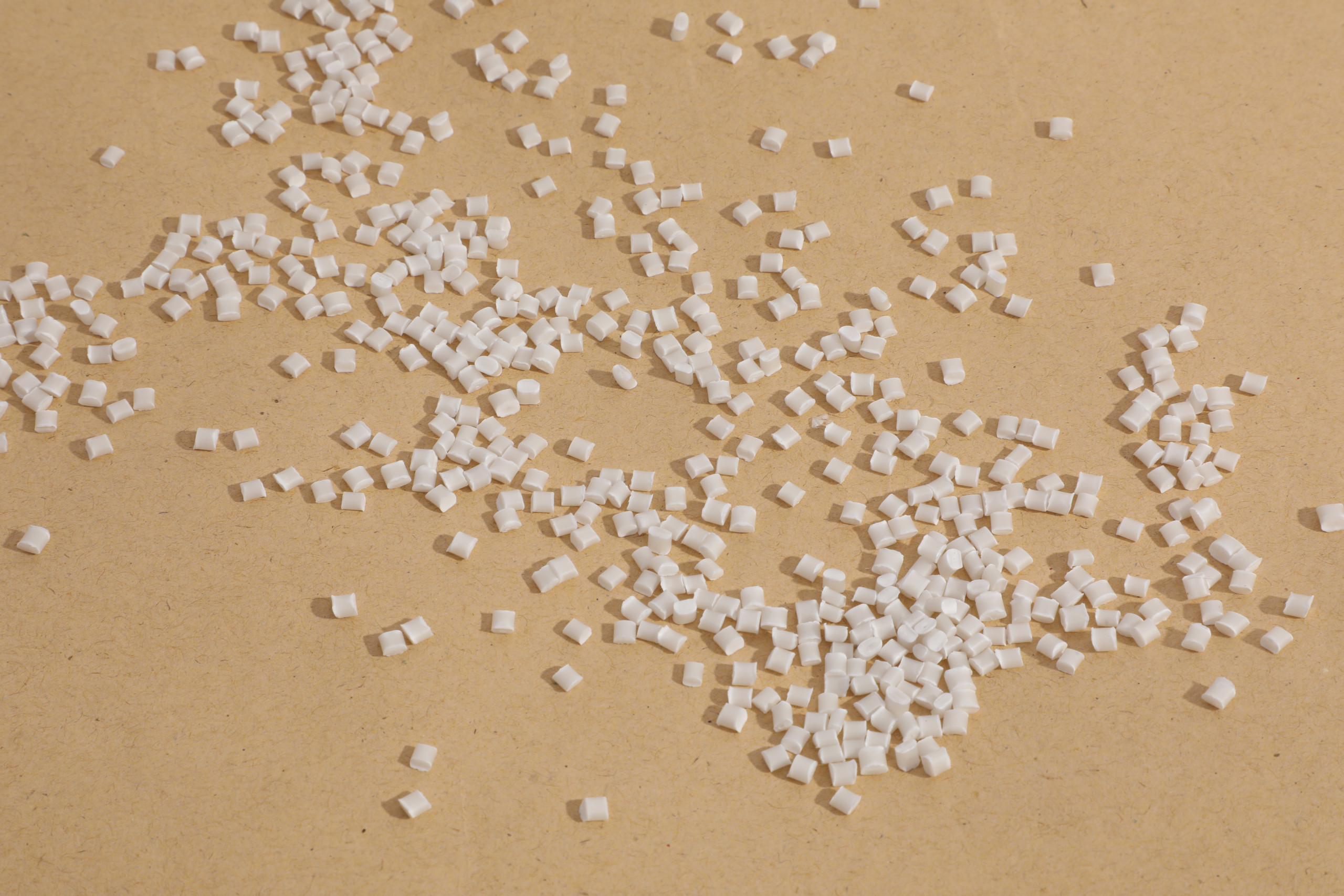

Plastic bags, seemingly ordinary everyday items, actually constitute one of the most basic carriers in modern commercial circulation. When we shop at supermarkets, convenience stores, and shopping malls every day, the PP Plastic Carry Bags we carry are often taken for granted—they are convenient, lightweight, and inexpensive, disposable, and almost no one stops to carefully consider the technological content, industrial logic, and environmental controversies behind this material.
This neglect precisely exposes the long-standing information asymmetry between the industry and consumers. Against the backdrop of a global environmental movement and increasingly stringent plastic bans in various countries, PP Plastic Carry Bags are undergoing a profound transformation: from a simple “carrying tool” to a “functional material carrier”; from traditional production methods to refined and high-performance manufacturing. This article will provide an in-depth analysis of the true nature of this “undervalued daily necessity” from four dimensions: materials science, industry status, environmental competition, and future trends.

PP, or polypropylene, is a semi-crystalline thermoplastic. Compared to the more common polyethylene (PE), PP has an additional methyl side chain in its molecular chain, giving it unique advantages in mechanical properties, heat resistance, and transparency. Specifically, regarding PP Plastic Carry Bags:
Lightweight : PP has a density of only 0.90-0.91 g/cm³, making it one of the lightest common plastics. This makes the PP Plastic Carry Bags lightweight and easy to carry.
Excellent Heat Resistance : PP has a melting point of approximately 160-170°C, much higher than PE (approximately 105-115°C). Therefore, PP Plastic Carry Bags are less prone to softening and deformation in high summer temperatures, making them more suitable for holding hot food or microwaveable items.
Good Transparency and Gloss : After stretching or casting processes, PP material can achieve a near-glass transparency, which is a significant advantage in showcasing product appearance.
High Rigidity : Compared to the soft and droopy PE bags, PP Plastic Carry Bags have better structure and a fuller shape, preventing them from appearing flimsy on shelves.
These fundamental characteristics determine the widespread application of PP Plastic Carry Bags in numerous scenarios such as apparel retail, food packaging, gift bags, and promotional materials. However, the problem lies in the fact that most companies in the industry are still in the extensive stage of “selling materials but not technology,” lacking a deep understanding of materials, resulting in severe product homogenization.
Not all PP is suitable for making shopping bags. The industry generally believes that injection-molded PP (homopolymer or copolymer) is the mainstream raw material for shopping bags, and its melt flow index (MFR), molecular weight distribution, crystallization rate, and other parameters directly affect subsequent processing performance and product quality. However, the real technological barrier lies in:

Raw material purity and batch stability : To reduce costs, some small and medium-sized manufacturers may mix in recycled materials or inferior filler masterbatches, leading to brittle bags, bursting, or uneven coloring. Industry reports indicate that returns or customer complaints due to unstable raw material quality account for over 15% of the low-end PP bag market.
Application of modification technology : A single PP base material cannot meet the needs of all scenarios. For example, PP Plastic Carry Bags for outdoor advertising require higher UV resistance; PP Plastic Carry Bags for frozen foods need to maintain toughness at -20°C; and PP Plastic Carry Bags for high-end cosmetics require near-zero exudates (such as low molecular weight additives) to avoid contaminating the contents. These all require the addition of specific additives or blending modification.
Processing technology coordination : Blow molding, casting, hot cutting, cold cutting—different downstream processes place detailed requirements on the rheological properties of the raw materials. A company lacking application experience, even with high-quality PP raw materials, may repeatedly experiment with parameters such as temperature control and traction ratio, resulting in a large amount of waste.
It is precisely these deep-seated technical blind spots that have led to the current situation of inconsistent quality in PP Plastic Carry Bags on the market. The key to solving these problems lies not only in purchasing the right resin, but also in obtaining supporting material selection and processing technology.
The production chain of PP Plastic Carry Bags seems simple: PP resin → blown film/cast film → bag making → printing → finished product packaging. However, in actual operation, the challenges faced by manufacturers are far more complex than they appear.
Material cost fluctuations : PP resin prices are highly correlated with the international crude oil market and significantly affected by upstream propylene supply and demand. During 2023-2024, PP prices experienced several rounds of significant adjustments, with fluctuations exceeding 30%. For bag manufacturers with thin profit margins, even slight mismanagement of raw material inventory can wipe out their annual profits.
Rising environmental compliance costs : Regulations on single-use plastic products are becoming increasingly stringent in various countries. The EU’s Single-Use Plastics Directive requires plastic bags to contain a certain percentage of recycled materials; China’s domestic “plastic ban” has gradually expanded from limiting thickness to prohibiting certain loose sizes. Compliance means higher raw material costs, more complex batch traceability systems, and more frequent third-party testing.
Upgrading customer expectations : End-user brands are no longer satisfied with simply “being able to hold things.” They require bags to be sturdy, with clear printing, consistent colors, and no odor, and even require a complete set of documents such as SGS test reports, REACH compliance declarations, and food contact material certifications. Many traditional processing plants frequently miss out on high-quality orders due to a lack of such supporting services.
A deeper analysis of these pain points ultimately points to the same weakness—the lack of technical support. When a company’s purchased PP resin experiences fluctuations in melt flow index and a narrowing processing window, should it try to figure out the process parameters on its own, or quickly contact the supplier’s technical team for intervention? When a customer requests food safety certification for a specific polymer material, should it spend tens of thousands of yuan to send it for testing itself, or directly purchase it from an upstream supplier with complete certification documentation?
The answer is obvious. A professional engineering plastics supplier’s value extends far beyond simply “selling materials.” It should be the core link between resin manufacturers and end-processors, acting as a technology solution integrator. For example, CISKO New Material , as one of the industry’s most comprehensive service providers, offers a PP compound product line that not only covers standard tote bag grade raw materials but also extends to special specifications such as high-impact, high-transparency, and low-temperature resistant materials. It also provides detailed Technical Data Sheets (TDS), Safety Data Sheets (SDS), and various compliance certifications to help customers gain a competitive edge.
In contrast, many distributors in the industry still operate on a “reselling for profit” model, unable to provide substantial assurance regarding the quality of raw materials or offer timely technical guidance when customers experience processing abnormalities. This service gap is accelerating the elimination of low-end markets.
For PP tote bag manufacturers, choosing the right supplier is half the battle won. When making a decision, it is recommended to establish an evaluation framework based on the following four dimensions:
Batch consistency : Suppliers should provide material data (such as MFR, tensile strength, and elongation at break) for multiple consecutive batches to ensure that the standard deviation of key indicators is controlled within a reasonable range.
Impurity control : Defects such as black spots and gel particles in the material directly affect the appearance and strength of the bag. Suppliers can be requested to provide a filtration pressure test report before shipment.
Compliance Documents : Do you provide certifications that comply with standards such as REACH, RoHS, FDA (food contact), and GB 4806.7?
Processing Instructions : Do you provide detailed injection molding/blown film parameter recommendations for specific grades (drying temperature and time, barrel temperature distribution, mold temperature recommendations, etc.)?
Failure Analysis : When customers report bag bursting or printing defects, can the supplier quickly determine the cause (e.g., material hydrolysis, mold design defects, process window deviation)?
Customized Development : For specific end-user needs (e.g., oil-resistant bags for supermarket deli sections, high-transparency display bags for fashion stores), does the supplier have the capability to develop dedicated formulas?
Inventory assurance : Does the supplier maintain a reasonable level of standing inventory? What are the minimum order quantities and lead times for urgent orders?
Price transparency : Does the quoted price include clear shipping terms (DDP/DDU), tax details, and exchange rate adjustment mechanisms?
In the PP tote bag industry, a company that dares to break through often exhibits three characteristics:
First, it will not passively accept the dictates of market prices. When PP raw material prices rise, it will proactively communicate with upstream professional suppliers to find alternative grades with similar cost-effectiveness (such as using low MFR resin with better flowability to offset the increase in processing energy consumption), rather than simply passing on the costs to downstream users.
Secondly, it understands how to use technical documentation as a form of trust endorsement. For example, when dealing with customers exporting to Europe, the ability to provide REACH compliance declarations and food contact certificates in milliseconds is itself a competitive advantage.
Finally, it excels at transforming from a “processing plant” into a “service provider.” When customers report that their bags become brittle due to humidity changes during long-distance sea transport, it can work with suppliers to analyze whether the problem stems from insufficient drying during packaging or from the material itself having higher than expected hygroscopicity, thus providing practical improvement solutions.
Environmental pressures won’t disappear, but PP material itself isn’t the enemy of the environment. The real core issue lies in the “disorderly disposal after single use,” not the material itself. Therefore, the industry is seeing the following positive shifts:
Single-material design : Traditional PP Plastic Carry Bags may contain multiple materials such as PE, PP, PET layers, and metal zippers, making recycling and sorting extremely difficult. The future trend is to promote 100% PP structures, where printing inks, adhesives, and zipper accessories must all be compatible with PP recycling systems.
Large-scale application of recycled components (PCR) : The content of post-consumer recycled PP is increasing from 10% to 30%-50% or even higher. This requires not only stable recycling material sorting and cleaning capabilities at the supply chain level, but also a supporting additive system—because recycled materials often contain a mixture of different grades of PP and residual contaminants, increasing the risk of degradation during processing.
Gradual penetration of bio-based PP : Some petroleum-based PP is being replaced by bio-based PP derived from renewable raw materials such as sugarcane and corn starch. Although current production is still limited, this trend is gaining policy support in the European and Japanese markets.
PP Plastic Carry Bags are breaking through the original definition of “disposable loading” and evolving towards high performance:
Antibacterial PP Bags : PP Plastic Carry Bags infused with silver ions or organic antibacterial agents, suitable for packaging medical supplies, baby products, and high-end food.
Antistatic PP Bags : PP Plastic Carry Bags modified with carbon-based conductive fillers, capable of dissipating surface static charge, gradually replacing traditional PE antistatic bags in the transportation of electronic components, precision instruments, and other fields.
Ultra-thin High-strength Bags : Ultra-thin PP Plastic Carry Bags made using biaxially oriented polypropylene (BOPP) technology, maintaining the same strength while being only half the thickness of traditional blown film bags, significantly reducing raw material consumption per unit area.
The value chain of PP Plastic Carry Bags will become more transparent in the future. At one end of the supply chain, material suppliers need to provide digital batch traceability information to facilitate downstream audits of raw material sources. At the other end, portable near-infrared (NIR) detection equipment can identify the material composition of the bags in real time, thereby guiding recycling and sorting.
In this process, material solution providers like CISKO New Material , which have accumulated technological expertise and full-chain service capabilities, will further amplify their advantages: they can deeply participate in customers’ product development process, providing a complete technical closed loop from raw material selection and processing technology design to final performance verification.
From being an overlooked everyday consumable, PP Plastic Carry Bags have become a complex product intertwined with environmental regulations, materials technology, and supply chain management. This transformation reflects the profound transformation of the entire plastics industry. For industry participants, the real question is no longer “whether to use plastic bags,” but rather “how to use plastic bags correctly and effectively.”
The core competitiveness of the future will belong to those companies that can break free from the mindset of being mere “raw material handlers.” They will no longer focus solely on “how much cheaper per ton” but will instead shift to a value paradigm based on “how many technical challenges can be solved per ton.” In this process, choosing an upstream partner with a complete independent product line, supporting compliance documentation, and in-depth technical services is one of the key factors in ensuring long-term competitiveness.
Taking CISKO New Material as an example, it offers more than just finished PP resins or various PP compounds; it provides a complete value ecosystem covering material selection, processing parameter optimization, regulatory compliance, and after-sales technical support. Whether dealing with stringent certifications in export markets or pursuing differentiated functional breakthroughs, this comprehensive service capability is increasingly proving to be the strongest weapon in addressing industry challenges.
In the balance between environmental protection and development, and the trade-off between cost and quality, the future of PP Plastic Carry Bags will not be a simple black-and-white conclusion. It is more like a multi-dimensional resource optimization game—and those who master materials science and its applications will ultimately prevail.


Leave a comment