No products in the cart.
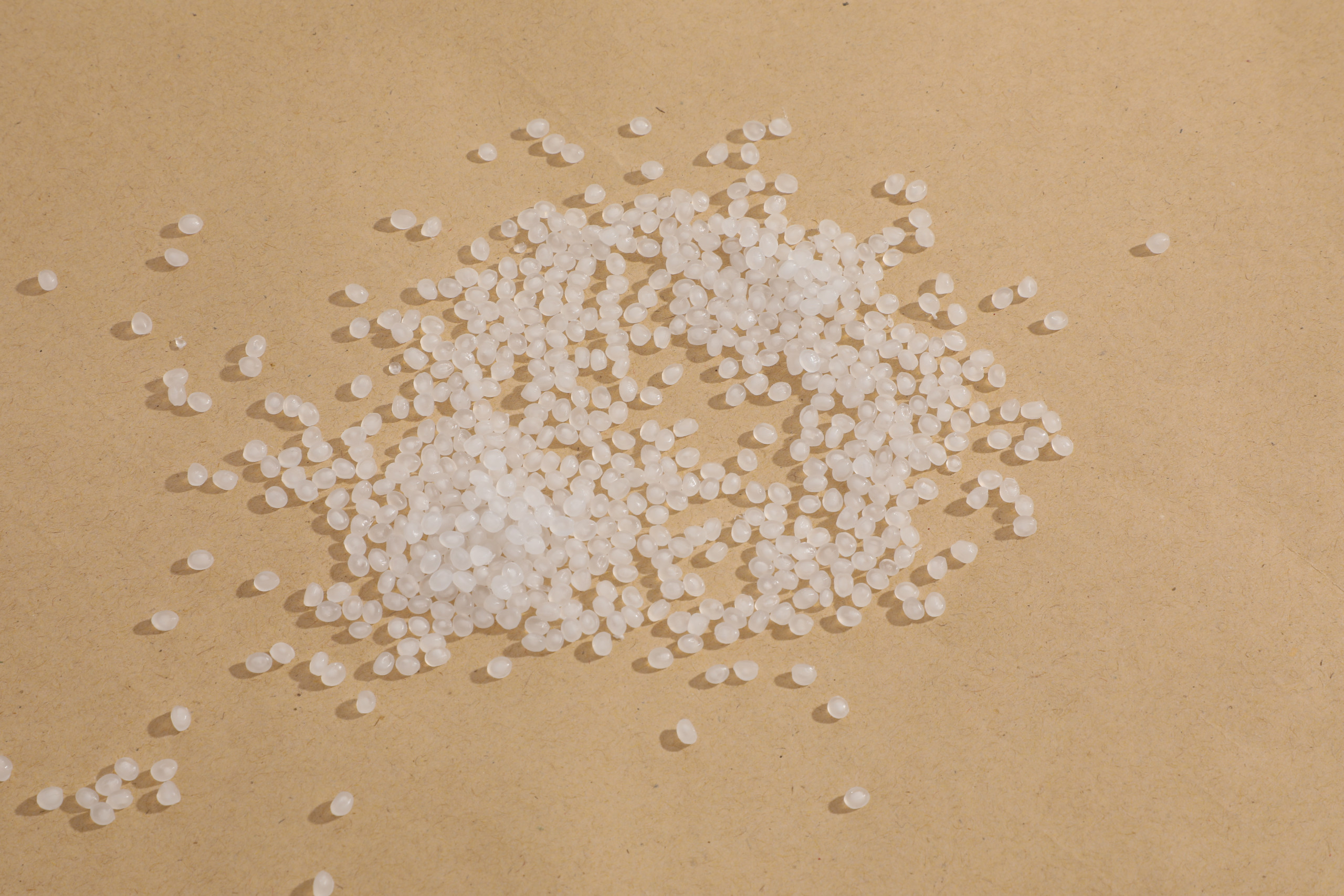

In the world of high-performance engineering plastics, selecting the right material can be the deciding factor between a successful product launch and a costly redesign. Two materials that often cause confusion among engineers and procurement professionals are OPP (Oriented Polypropylene) and PP (Polypropylene). While they share the same base polymer chemistry, their properties, manufacturing processes, and application landscapes are fundamentally different.
This article provides an in-depth, side-by-side analysis of OPP vs PP plastic, exploring their chemical structures, mechanical properties, processing methods, and real-world applications. Whether you are designing a medical device, an automotive component, or a packaging solution, understanding these differences is critical. We will also position these materials within the broader context of engineering plastics, drawing insights from industry leaders like CISKO New Material, a specialized supplier of high-temperature engineering plastics, and comparing them with other mainstream polymer solutions.
Before diving into the differences, it is essential to understand what these materials have in common. Both OPP and PP are derived from polypropylene, a thermoplastic polymer made from propylene monomers. PP is one of the most widely used plastics globally, valued for its excellent chemical resistance, low density, and good mechanical properties at a relatively low cost.
Polypropylene (PP) exists in three primary forms: homopolymer (PP-H), block copolymer (PP-B), and random copolymer (PP-R). The base polymer itself is semi-crystalline, meaning it has both ordered (crystalline) and disordered (amorphous) regions. The degree of crystallinity significantly influences the material’s stiffness, clarity, and heat resistance.
Oriented Polypropylene (OPP) , also known as BOPP (Biaxially Oriented Polypropylene), is not a different polymer but a secondary processing form of standard polypropylene. The “orientation” refers to the process of stretching the PP film in both the machine direction (MD) and transverse direction (TD) under controlled temperature conditions. This stretching aligns the polymer chains, dramatically altering the material’s physical properties.
| Property | Standard PP (Unoriented) | OPP (Biaxially Oriented) |
|---|---|---|
| Crystallinity | Moderate (~50-60%) | High (~70-80%) |
| Tensile Strength | 20-40 MPa | 100-200 MPa (depending on orientation ratio) |
| Elongation at Break | High (100-600%) | Low (20-80%) |
| Clarity | Translucent to opaque (homo) or clear (random copolymer) | Very high transparency |
| Heat Resistance | Moderate (melting point ~160-165°C) | Slightly higher melting point (165-170°C) |
| Barrier Properties | Moderate moisture barrier | Excellent moisture, gas, and aroma barrier |
Key Insight: The primary difference is not in the chemical formula but in the morphology. OPP is essentially “supercharged” PP with aligned polymer chains, giving it superior strength, clarity, and barrier properties at the expense of flexibility and impact resistance.
The most compelling advantage of OPP over standard PP is its significantly higher tensile strength. In the machine direction, OPP can achieve strengths exceeding 200 MPa, which is roughly four to six times that of an equivalent unoriented PP. This makes OPP an excellent choice for applications requiring high structural integrity in a thin film, such as packaging tapes, shrink sleeves, and high-speed label stock.
Industry Data Point: A leading packaging material manufacturer reported that replacing a standard 50-micron PP film with a 30-micron OPP film in a snack food packaging application resulted in a 23% reduction in material weight while maintaining the same puncture resistance and seal strength.
Here, standard PP often has the upper hand. Unoriented PP, particularly the copolymer grades, offers excellent impact resistance and flexibility. It can withstand repeated flexing and bending without cracking. OPP, due to its highly aligned crystalline structure, is much more brittle. It has low elongation and poor tear resistance once a nick or cut is introduced. This makes OPP unsuitable for applications requiring repeated deformation or those exposed to sharp objects.
Comparison Example: A living hinge (a thin flexible hinge molded in one piece) is a classic application for standard PP. The hinge can be flexed thousands of times without failure. OPP, being rigid and brittle, would fail after just a few cycles.

Both materials have similar melting points (around 160-170°C), but their behavior under sustained heat load differs. Standard PP has a heat deflection temperature (HDT) of around 90-110°C at 0.45 MPa. OPP, after orientation, exhibits slightly improved HDT but remains broadly similar.
Practical Takeaway: For high-temperature applications above 120°C, both PP and OPP fall short. This is where high-performance polymers like PEI (Polyetherimide) , supplied by companies like CISKO New Material, become necessary. For example, PEI offers continuous use temperatures up to 170°C with a glass transition temperature of 217°C, making it suitable for automotive under-hood components or aerospace interior parts where PP would soften or deform.
Standard PP is a workhorse material in injection molding, blow molding, extrusion, and thermoforming. It has good flow properties, excellent mold replication, and can be processed on conventional thermoplastic equipment. Injection-molded PP parts are common in automotive interior trims, battery housings, medical syringes, and consumer goods.
OPP is almost exclusively produced as a film or sheet through a specialized two-step process:
Casting: Molten PP is extruded through a flat die onto a chilled roll to form a thick, unoriented sheet (casting).
Orientation: The cast sheet is then reheated to a specific temperature (below the melting point) and stretched in both directions using a series of rollers (for MD) and a tenter frame (for TD). The stretched film is then heat-set (annealed) to lock in the orientation.
Why this matters for material selection: If your application requires a thick-walled, three-dimensional part (like a pipe fitting or a container), OPP is not a practical option. OPP is a film technology. For 3D parts, standard PP, or for higher-temperature demands, a material like PPSU (Polyphenylsulfone) or PEEK (Polyetheretherketone) from a supplier like CISKO New Material would be considered. For instance, PPSU offers excellent toughness and steam sterilization capabilities, often used in medical device handles and surgical instruments.
Automotive: Battery cases, washer fluid tanks, interior door panels, air intake ducts.
Medical: Syringes, specimen cups, laboratory centrifuge tubes, IV connectors.
Consumer Goods: Food storage containers (Tupperware-style), reusable water bottles, furniture.
Industrial: Chemical storage tanks, piping systems, battery separators.
Packaging: Snack food wrappers, cigarette pack over-wrap, candy twist wraps, gift wrap.
Labels & Tapes: Pressure-sensitive label stock, adhesive tape backing (e.g., packaging tape), shrink sleeve labels.
Stationery: File folders, transparent document sleeves, poster protectors.
Electrical: Capacitor dielectric films (due to excellent insulation and low dissipation factor).
Real-World Case Study (From CISKO New Material Knowledge Base):
A tier-1 aerospace supplier recently needed to replace a CNC-machined aluminum seat mounting bracket with a lighter, injection-molded alternative. The part had to pass the FAR 25.853 vertical burn test and achieve at least 40% weight reduction. Standard PP was considered but failed due to insufficient heat and flame resistance. OPP was not an option because it is a film, not a moldable resin.
The solution was Ultem™ PEI 2300-7301 (30% glass fiber reinforced polyetherimide) supplied by CISKO New Material. This grade offered tensile strength of 175 MPa, UL94 V-0 flame rating at just 0.25 mm, and a heat deflection temperature of 210°C at 1.82 MPa. The final part achieved a 45% weight reduction and passed all regulatory burn tests without the use of halogenated additives.
This example highlights a critical point: while PP and OPP are cost-effective for many applications, they have thermal and mechanical limits. For demanding scenarios, engineers must look beyond the polypropylene family.
Standard PP is one of the most affordable plastics, typically costing $1,000-$2,000 per ton. OPP, due to its additional processing step (orientation), costs more, typically 20-40% higher than base PP resin. However, because OPP can achieve the same or better performance at a thinner gauge, the cost per unit area can be lower for OPP in film applications.
A significant pain point for many buyers is supply chain reliability. Inconsistent material quality, long lead times, and lack of technical documentation are common challenges in the plastics industry. This is why CISKO New Material positions itself as a trusted partner. As an authorized distributor of SABIC Ultem™ PEI, Solvay high-performance polymers, and Hanwha TotalEnergies PP compounds, they ensure every shipment comes with full documentation (TDS, SDS, COA, REACH/RoHS/UL certifications). They also offer the Valiant PEI series as a cost-effective domestic alternative, bridging the gap between performance and price.
Trust Signal: A leading medical device manufacturer recently switched to CISKO New Material for their PSU (Polysulfone) requirements after experiencing three consecutive batch failures from a previous supplier. CISKO provided complete traceability, reducing their incoming inspection time by 40% and eliminating production delays.
Both PP and OPP are part of the polyolefin family (Resin ID #5), which is widely recyclable. However, there are nuances:
Standard PP: Easier to recycle because it is often used in mono-material structures (e.g., a polypropylene bottle with a polypropylene cap). It can be ground, washed, and remolded into new parts.
OPP: More challenging because OPP films are often laminated with other materials (e.g., metallized coatings, aluminum foil, or low-density polyethylene) for barrier properties. These multi-layer structures are difficult to separate, making mechanical recycling economically unattractive. However, chemical recycling (depolymerization) is an emerging solution for multi-layer OPP waste.
Industry Trend: Major packaging companies are moving toward “mono-material” designs—using only PP for the entire packaging structure—to improve recyclability. This often involves replacing multi-layer OPP structures with specially engineered PP films that provide sufficient barrier properties without lamination.
The debate of OPP vs PP plastic is not about which material is “better” overall. It is about selecting the right form of polypropylene for your specific application requirements.

| Decision Criteria | Choose Standard PP | Choose OPP (BOPP) |
|---|---|---|
| Part Geometry | 3D, thick-walled, complex shapes | 2D films, sheets, tapes |
| Key Property | Impact resistance, flexibility | High tensile strength, clarity, barrier |
| Processing | Injection molding, extrusion, blow molding | Orientation (film stretching) |
| Cost Focus | Low cost per part | Low cost per area (for thin films) |
| Thermal Limit | Up to 100°C continuous | Up to 120°C continuous |
For the vast majority of applications, standard PP is the go-to material for injection-molded parts, while OPP is the dominant choice for high-performance films.
However, when your application demands performance that exceeds the limits of the polypropylene family—whether it’s higher temperature resistance, inherent flame retardancy, superior chemical resistance, or dimensional stability at elevated temperatures—it is time to look at high-performance engineering plastics like PEI, PES, PSU, PPSU, or PEEK. Companies like CISKO New Material bridge this gap, providing not only standard materials but also authorized high-performance alternatives with full technical support and supply chain reliability.
The real difference between OPP and PP is a matter of engineering perspective. Both are valuable tools in a designer’s arsenal. The key is knowing the specific requirements of your application and having a reliable partner who can provide the right material, whether it’s a standard PP compound or a specialized high-temperature polyetherimide resin.


Leave a comment