No products in the cart.
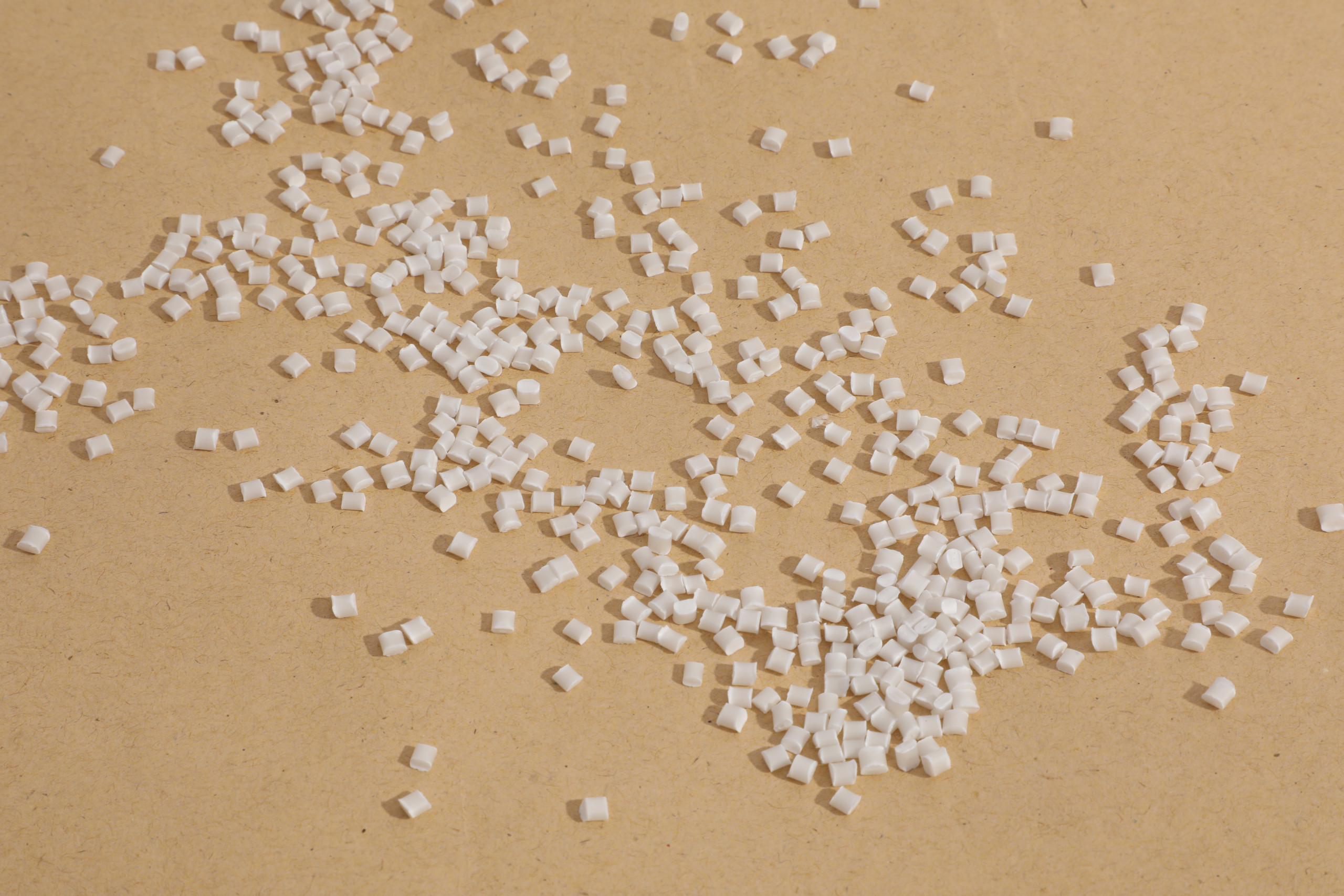

Polypropylene (PP) plastic is one of the most widely used thermoplastics in the world today, found in everything from food packaging and automotive components to medical devices and household goods. But what exactly is PP plastic made of? At its most basic level, the answer is surprisingly simple: a repeating chain of propylene monomers—a hydrocarbon derived from petroleum or natural gas. However, the journey from these simple molecular building blocks to the versatile, high-performance material we rely on daily involves sophisticated polymer chemistry, precise process control, and a deep understanding of how molecular structure influences material properties.
This article explores the fundamental ingredients that constitute PP plastic, from the raw monomers to the additives and modifiers that transform it into specialized grades for demanding applications. We will also examine how industry leaders like CISKO New Material provide high-quality PP compounds and engineering plastics that address common customer pain points such as inconsistent quality, incomplete technical documentation, and unreliable supply chains. By understanding the simple ingredients behind PP plastic, engineers, procurement professionals, and product designers can make more informed material selection decisions.
The primary ingredient in PP plastic is propylene (C₃H₆), a colorless, flammable gas that belongs to the alkene family of hydrocarbons. Each propylene molecule contains three carbon atoms and six hydrogen atoms, with a carbon‑carbon double bond that serves as the reactive site for polymerization. This double bond is the key to creating long polymer chains: under the right conditions, thousands of propylene monomers link together, forming the macromolecular backbone of polypropylene.

Propylene is typically sourced from the steam cracking of naphtha or ethane during petroleum refining. It is also a byproduct of natural gas processing and fluid catalytic cracking in oil refineries. According to industry data, global propylene production capacity exceeded 130 million metric tons in 2024, with demand driven largely by polypropylene manufacturing, which accounts for approximately 65% of all propylene consumption worldwide.
The transformation of propylene gas into solid PP plastic requires a polymerization catalyst. Two primary technologies dominate the industry:
Ziegler‑Natta Catalysts: These titanium‑based catalysts, discovered in the 1950s, produce isotactic polypropylene—a highly crystalline form where all methyl groups align on the same side of the polymer chain. This arrangement yields excellent mechanical strength, heat resistance, and stiffness.
Metallocene Catalysts: Introduced in the 1990s, metallocene catalysts offer finer control over molecular weight distribution and stereochemistry. They enable the production of PP grades with tailored properties, such as enhanced clarity, narrow molecular weight distribution, and improved impact resistance.
The polymerization reaction is carried out in either gas‑phase or liquid‑phase reactors, operating at moderate temperatures (60–80°C) and pressures (10–40 bar). After polymerization, the resulting PP powder is compounded with additives (stabilizers, antioxidants, fillers) and extruded into pellets for further processing.
Not all PP molecules are built the same way. The spatial arrangement of methyl (CH₃) groups along the polymer chain determines the polymer’s crystallinity and, consequently, its end‑use properties:
Isotactic PP: Methyl groups are on the same side of the chain. This structure enables tight packing, leading to high crystallinity (50–70%), high melting point (165–175°C), and good stiffness. It is the most common commercial grade.
Atactic PP: Methyl groups are randomly positioned, preventing crystallization. Atactic PP is amorphous, soft, and tacky, used primarily as a sealant or for adhesive applications.
Syndiotactic PP: Methyl groups alternate sides of the chain. This configuration offers lower crystallinity than isotactic but better clarity and flexibility. Syndiotactic PP is less common but valuable for specialized packaging films.
A leading supplier like CISKO New Material offers a broad portfolio of PP compounds, including homopolymer, random copolymer, and impact copolymer grades, sourced from Hanwha TotalEnergies—one of the largest PP producers globally. These grades are designed to meet diverse performance requirements, from high rigidity in automotive parts to low‑temperature impact resistance for appliance components.
To further tailor PP’s properties, manufacturers introduce a second monomer during polymerization. The most common comonomer is ethylene (C₂H₄), which is added to:
Random Copolymer PP: Small amounts of ethylene (1–7%) are randomly inserted into the polypropylene chain. This disrupts crystallinity, resulting in improved optical clarity, lower melting point, and better impact resistance. Random copolymer PP is widely used in transparent food containers, medical syringes, and thin‑wall packaging.
Impact Copolymer PP (or Block Copolymer): A two‑stage polymerization process creates a matrix of isotactic PP with dispersed ethylene‑propylene rubber (EPR) particles. The rubber phase absorbs impact energy, delivering excellent low‑temperature toughness. These grades are preferred for automotive bumpers, battery cases, and industrial piping.
While propylene is the primary ingredient, commercial PP plastic is rarely sold as pure polymer. Additives play a crucial role in enhancing processability, durability, and appearance. Some of the most important additives include:
| Additive Type | Function | Common Examples |
|---|---|---|
| Antioxidants | Prevent thermal oxidation during processing and long‑term use | Hindered phenols, phosphites |
| UV Stabilizers | Protect against photodegradation from sunlight | Hindered amine light stabilizers (HALS), UV absorbers |
| Nucleating Agents | Accelerate crystallization, improving clarity and cycle time | Sodium benzoate, sorbitol derivatives |
| Flame Retardants | Reduce flammability; often required for electrical and appliance applications | Halogen‑free phosphorus compounds, magnesium hydroxide |
| Fillers & Reinforcements | Improve stiffness, dimensional stability, or thermal conductivity | Talc, calcium carbonate, glass fibers (for PP compounds used in automotive structural parts) |
| Impact Modifiers | Enhance toughness without sacrificing stiffness | Ethylene‑octene elastomers, EPR |
A critical issue in the industry is inconsistent additive loading or poor dispersion, which can lead to batch‑to‑batch variation in color, mechanical performance, and processing behavior. This is a common customer pain point identified by CISKO New Material: “Suppliers often fail to provide TDS, SDS, COA, or regulatory certificates (REACH, RoHS, UL, FDA), making it difficult to pass audits and comply with industry standards.” Working with an authorized distributor like CISKO ensures that every shipment comes with full technical documentation and batch‑specific quality certificates.
Compounding is the process of melt‑mixing PP resin with additives, fillers, and modifiers to create a homogeneous mixture with targeted properties. Sophisticated twin‑screw extruders ensure that even sub‑micron‑size additives are uniformly distributed. For example:
PP + 30% talc yields a grade with high stiffness and heat deflection temperature (HDT ~140°C at 1.82 MPa), suitable for automotive interior panels and under‑hood components.
PP + 20% glass fiber creates a composite with tensile strength exceeding 100 MPa, used in structural battery trays for electric vehicles.
Impact copolymer PP + rubber modifier provides excellent low‑temperature ductility, essential for passenger‑airbag covers and automotive fascias.
A leading case study in CISKO New Material’s portfolio involves a Tier‑1 automotive supplier who needed to replace a glass‑filled nylon 6/6 (PA6/6) part in an engine cooling fan with a lower‑cost alternative. The supplier chose a Hanwha TotalEnergies impact copolymer PP compound, achieving:
20% cost reduction vs. PA6/6
Comparable heat resistance (HDT ~135°C)
Excellent vibration fatigue performance at operating temperatures
This example illustrates how the simple ingredients of PP—when combined with the right additives and compounding expertise—can outperform more expensive engineering plastics in the right application.
PP plastic is highly recyclable, with established mechanical recycling streams in Europe, North America, and parts of Asia. According to industry estimates, post‑consumer PP (from packaging, bottle caps, and containers) is recycled at rates of approximately 30–40% in developed markets, though this varies significantly by region. Physical recycling, which involves sorting, washing, and re‑granulation, retains most of PP’s inherent properties. Recycled PP (rPP) is increasingly used in non‑food contact applications like automotive interior trim, garden furniture, and industrial packaging.

Additionally, advanced recycling technologies (pyrolysis, depolymerization) are emerging to convert mixed‑plastic waste back into monomers, potentially enabling a closed‑loop system for PP. CISKO New Material recognizes this trend and offers recycled‑content PP grades that meet automotive and appliance OEMs’ sustainability targets without sacrificing performance.
Many engineers and buyers have experienced the frustration of inconsistent material quality. A change in color, melt flow rate, or mechanical properties can cause molded parts to fail dimensional inspection or result in visual rejects. The root cause often lies in poor catalyst control, incorrect additive dosing, or contamination during compounding.
To mitigate this risk, it is advisable to source PP from suppliers that maintain rigorous quality management systems. CISKO New Material demonstrates this commitment by providing:
Certificate of Analysis (COA) for every batch, detailing melt flow index, density, tensile strength, flexural modulus, and notched impact
Safety Data Sheets (SDS) complying with REACH and RoHS
UL Yellow Card documentation for flame‑retardant grades
The global PP market has experienced significant volatility in recent years—from feedstock cost fluctuations to logistics disruptions—causing unpredictable lead times for non‑commodity grades. A survey by a plastics industry association in 2024 noted that 45% of procurement professionals cited “supply chain stability” as their top concern when sourcing specialty polymers.
Working with a distributor that maintains local inventory—such as CISKO New Material, which stocks Hanwha TotalEnergies PP compounds in South China—helps mitigate this risk. The company’s “stock assurance” program offers typical lead times of 1–3 working days for standard grades, reducing the need for customers to hold expensive safety stock.
Selecting the right PP grade for a given application requires more than just reading a data sheet. Mould design, gate location, processing conditions (melt temperature, injection speed, cooling time), and even the part’s end‑use environment all influence material performance. Many engineers waste valuable development time on trial‑and‑error because their material supplier lacks application‑specific knowledge.
An authorized distributor like CISKO New Material bridges this gap by offering:
Mold flow simulation support to predict filling behavior, warpage, and shrinkage
Process troubleshooting (e.g., optimizing drying parameters to prevent splay, adjusting mold temperature to improve crystallinity and impact strength)
Grade substitution recommendations that balance cost, performance, and processing ease
Polypropylene plastic, despite its seemingly simple composition of propylene monomers, is a remarkably versatile material whose performance can be precisely tailored through catalyst selection, copolymerization, and additive compounding. From the basic isotactic homopolymer to advanced impact copolymers and glass‑reinforced grades, PP continues to serve as a cost‑effective workhorse for industries ranging from automotive to packaging, appliances to medical devices.
However, realizing the full potential of PP requires more than just access to the polymer itself. Consistency in quality, reliability of supply, and expert technical support are the true differentiators that separate a successful material selection from a costly production issue. Companies like CISKO New Material address these challenges head‑on, providing not only the “simple ingredients” but also the comprehensive documentation, traceability, and application‑specific guidance that modern manufacturers demand.
Looking ahead, the PP industry is poised for further innovation. Metallocene catalyst technology will continue to enable grades with unprecedented purity and processing windows. The push for circularity will drive growth in mechanically and chemically recycled PP, while bio‑based propylene from renewable feedstocks—derived from sugar cane, corn, or waste oils—offers a pathway to lower‑carbon polypropylene. For engineers and buyers, staying informed about these developments, and partnering with knowledgeable suppliers, will be essential to navigating the evolving landscape of this essential engineering plastic.
Note: For readers interested in exploring specific PP grades or obtaining detailed technical documentation (TDS, SDS, COA, UL certifications), CISKO New Material can provide comprehensive support. Contact their technical team for assistance with material selection, processing optimization, or regulatory compliance.


Leave a comment