No products in the cart.
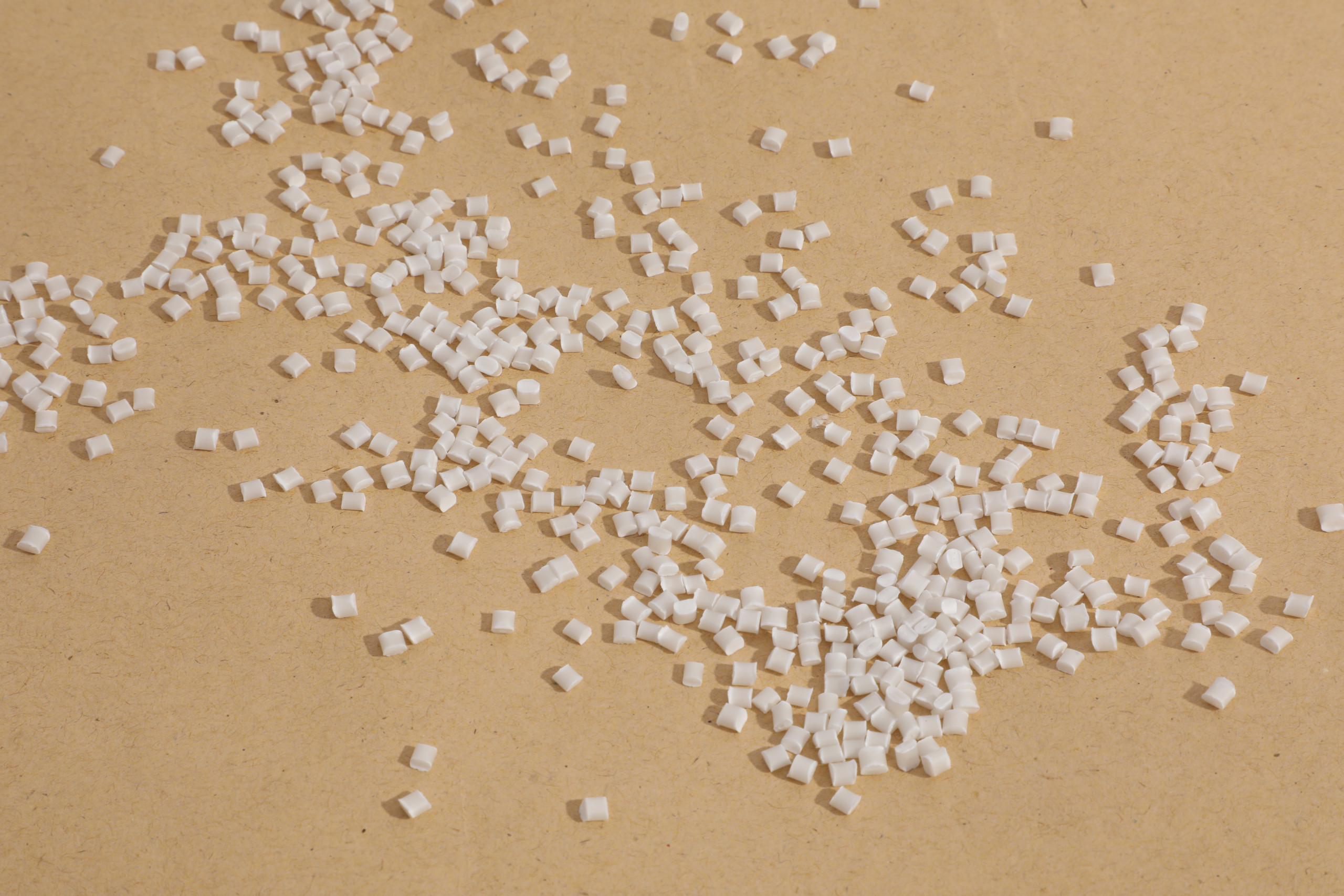

If you have ever looked at the bottom of a food container, a yogurt cup, or a medicine bottle, you have likely noticed a small triangle made of arrows with a number inside. This is the plastic resin identification code, and the number tells you which type of plastic the item is made from. Plastic code 5 stands for Polypropylene (PP) — one of the most versatile, safe, and widely used plastics in the world.
In this guide, we will break down exactly what plastic code 5 means, why it matters for your health, the environment, and your manufacturing decisions, and why choosing high-quality PP from reliable suppliers like CISKO New Material can make a significant difference in product performance and compliance.
Before diving into PP specifically, it is helpful to understand the broader system. The resin identification code (RIC) was introduced by the Society of the Plastics Industry in 1988. It ranges from code 1 to code 7, with each number representing a different polymer:
Code 1 – PET (Polyethylene Terephthalate) – Beverage bottles, food jars
Code 2 – HDPE (High-Density Polyethylene) – Milk jugs, detergent bottles
Code 3 – PVC (Polyvinyl Chloride) – Pipes, window frames
Code 4 – LDPE (Low-Density Polyethylene) – Plastic bags, shrink wrap
Code 5 – PP (Polypropylene) – Food containers, automotive parts, medical devices
Code 6 – PS (Polystyrene) – Disposable cutlery, foam packaging
Code 7 – Other (includes polycarbonate, nylon, acrylic, etc.)
Code 5 is widely recognized as one of the safest and most recyclable plastic types. Unlike some other codes (particularly codes 3 and 6, which have raised health and environmental concerns), PP is generally considered low-risk for leeching chemicals and is commonly accepted in curbside recycling programs.
Polypropylene is a thermoplastic polymer created through the polymerization of propylene gas. It was first commercialized in the mid-20th century and has since become one of the most produced plastics globally, second only to polyethylene.
PP belongs to the polyolefin family, meaning its chemical structure consists of long chains of hydrocarbon molecules. This structure gives PP several key properties:
High melting point – Around 160–170°C, which allows PP containers to be used in microwave ovens and dishwashers without warping.
Chemical resistance – PP resists damage from acids, bases, and many organic solvents, making it ideal for lab equipment and industrial containers.
Fatigue resistance – PP can be flexed repeatedly without breaking, which is why it is commonly used for living hinges (e.g., bottle caps, flip-top lids).
Low density – PP is lighter than many other plastics (about 0.90–0.91 g/cm³), which helps reduce shipping costs and product weight.
Low moisture absorption – PP does not absorb water, making it stable in humid environments.
One of the most important features of PP is that it is inherently safe for food contact. It does not contain bisphenol A (BPA) or phthalates, and it is approved by the U.S. Food and Drug Administration (FDA) for direct food contact applications.
Polypropylene is everywhere. Because of its balance of strength, heat resistance, and safety, it appears in a wide range of everyday products.
Yogurt cups, margarine tubs, and take-out containers
Microwave-safe bowls and trays
Ketchup and syrup bottles (often with a PP cap)
Straws and bottle caps
Storage bins, laundry baskets, and furniture
Garden tools and watering cans
Tupperware and reusable water bottles
Battery cases and interior trim panels
Bumpers and dashboards
Industrial pipes, tanks, and pumps (thanks to its chemical resistance)
Syringes, test tubes, and Petri dishes
Surgical mesh and lab beakers
Medical packaging that requires sterilization
Carpet fibers and upholstery
Ropes, nets, and thermal underwear
The versatility of PP is one of the main reasons why it is so widely used. However, not all PP is created equal. The quality of the base resin, the additives used, and the processing conditions can significantly affect the final product’s performance. This is where sourcing from an experienced supplier like CISKO New Material becomes critical — especially for industrial and high-performance applications.
One of the most common questions people ask is whether code 5 plastic is safe. The short answer is yes — PP is widely regarded as one of the safest plastics for human use.
PP does not leach harmful chemicals like BPA or phthalates, even when heated.
The FDA has approved PP for direct contact with food.
Studies have shown that PP containers release negligible amounts of microplastics compared to some other plastics.
Unlike PET (code 1) or PS (code 6), PP can withstand microwave temperatures without breaking down.
It also holds up well in dishwashers and freezers.
PP is recyclable and is accepted in most municipal recycling programs.
Recycled PP can be used to make new products like broom handles, bins, and automotive parts.
However, like all plastics, PP is not biodegradable. It should be disposed of properly or recycled to reduce environmental impact.
That said, even with these safety credentials, it is always advisable to follow manufacturer instructions. Avoid heating PP containers that are not explicitly labeled as microwave-safe, and discard any container that shows signs of wear or cracking.
For consumers, plastic code 5 is a simple indicator of what their product is made from. But for engineers, product designers, and procurement professionals, the story is much more nuanced. The performance of a PP part depends heavily on the grade, purity, and consistency of the resin used.
Even though PP is a robust material, sourcing the wrong grade or an inconsistent batch can lead to problems:
Inconsistent Material Quality – Variations in melt flow index, impact resistance, or color between batches can cause rejected parts, production delays, and increased scrap rates.
Missing or Incomplete Technical Documentation – Without a proper Technical Data Sheet (TDS), Safety Data Sheet (SDS), or Certificate of Analysis (COA), passing regulatory audits becomes difficult.
Long Lead Times and Unreliable Supply – Stockouts and unpredictable shipping can halt production lines, forcing companies to hold expensive safety stock.
Lack of Application-Specific Support – Without expert guidance on mold design, drying temperatures, or processing parameters, engineers waste time and money on trial-and-error.
Hidden Costs and Unclear Pricing – Unexpected duties, volatile freight charges, and ambiguous trade terms can blow the budget.
These challenges are especially common when sourcing from small or unreliable suppliers that do not have a transparent supply chain. This is why many manufacturers turn to a specialized distributor like CISKO New Material, which sources directly from top-tier producers such as Hanwha TotalEnergies, SABIC, and Borealis.
PP is not a one-size-fits-all material. There are multiple grades designed for different processing methods and performance needs.
Homopolymer PP – General-purpose grade with high rigidity and strength, used for pipes, automotive parts, and food containers.
Copolymer PP – Contains ethylene or other monomers to improve impact resistance and low-temperature toughness. Ideal for battery cases, luggage, and durable housewares.
High-Flow PP – Designed for injection molding of thin-walled parts like food packaging and caps.
Glass-Fiber Reinforced PP – Offers much higher stiffness and dimensional stability. Used in automotive front-end modules and industrial fans.
Flame-Retardant PP – Modified with additives to meet UL94 V-0 standards. Common in electrical enclosures and battery housing.
A supplier like CISKO New Material does not simply sell plastic; they provide technical support, traceable documentation, and reliable supply chains. For example:
Authorized distributor status ensures that every shipment is genuine and traceable back to a world-class manufacturer.
Complete regulatory documents (TDS, SDS, COA, REACH, RoHS, UL, FDA) are provided for every batch.
Application-specific support helps engineers choose the right grade for their mold, their processing conditions, and their end-use environment.
In one case study, a Tier-1 aerospace supplier was able to reduce the weight of a seat bracket by 45% by switching to a glass-reinforced polyetherimide (PEI) resin, not PP — but the principle is the same. Whether you need a standard PP grade for food packaging or a specialty grade for automotive electrical components, the quality of the resin and the expertise of the supplier directly impact the success of your project.
Polypropylene is one of the most recycled plastics. Code 5 plastics are widely accepted in curbside recycling programs, and there is a growing infrastructure for mechanical and chemical recycling of PP.
Collection and Sorting – PP items are separated from other plastics using near-infrared (NIR) sorters.
Cleaning and Shredding – Contaminants like labels and food residue are removed. The plastic is then shredded into flakes.
Reprocessing – The flakes are melted and pelletized into recycled PP (rPP) granules, which can be used to make new products.
Automotive parts (bumpers, floor mats)
Construction materials (piping, roofing tiles)
Consumer goods (broom handles, outdoor furniture)
Packaging (non-food contact containers)
Food-grade restrictions – Recycled PP is rarely used for direct food contact due to contamination risks. However, new advanced recycling technologies (e.g., pyrolysis, depolymerization) are gradually changing this.
Downcycling – In many cases, recycled PP is used for lower-value products. But with improved sorting and cleaning, closed-loop recycling is becoming more feasible.
Choosing a supplier that supports sustainable sourcing is a growing priority for many companies. CISKO New Material is committed to compliance with REACH and RoHS standards, and all materials are sourced from manufacturers that adhere to environmental regulations.

Plastic code 5 (PP) is far more than just a recycling symbol. It represents a family of materials that combine safety, durability, and versatility. For consumers, PP offers a reliable and safe option for food storage, household items, and medical products. For manufacturers and product designers, understanding the nuances of PP — from resin grades to processing conditions to regulatory compliance — is essential for producing high-quality, cost-effective parts.
Whether you are working on a simple food container or a complex automotive assembly, the source of your plastic matters. A consistent, traceable, and well-documented supply chain — like the one provided by CISKO New Material — can save you time, reduce risk, and ensure that your final product meets the performance and safety standards your customers expect.

As the plastics industry continues to evolve toward a more sustainable model, PP will remain a cornerstone material. Its recyclability, safety profile, and adaptability make it a smart choice for both today and tomorrow.


Leave a comment