No products in the cart.
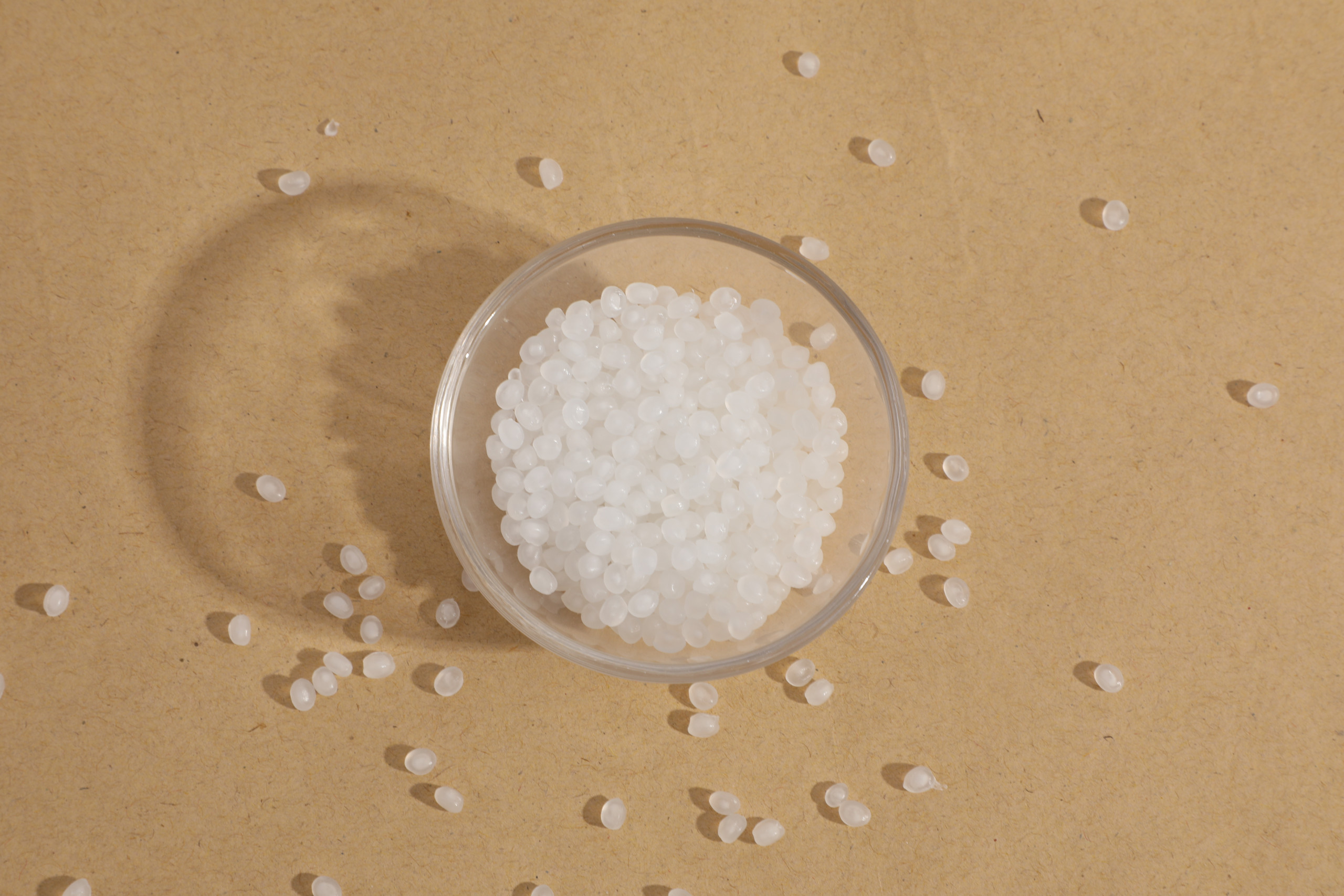

What Does PP Mean in Plastic? Polypropylene, commonly abbreviated as PP, is one of the most widely used plastics in the world. From food packaging containers and automotive components to medical devices and textiles, PP plays an essential role in modern manufacturing. But what exactly does PP mean in plastic, and why has it become such a versatile material across industries? This article provides a simple yet comprehensive guide to understanding PP, its properties, applications, and how it compares to other engineering plastics. Whether you are an engineer, a procurement professional, or simply curious about materials science, this guide will give you valuable insights into one of the most important thermoplastics today.
PP stands for polypropylene, a thermoplastic polymer belonging to the polyolefin family. It is produced through the polymerization of propylene monomers, a by-product of petroleum refining and natural gas processing. The chemical formula for polypropylene is (C₃H₆)ₙ, where “n” represents the number of repeating units in the polymer chain.
The linear structure of PP gives it a semi-crystalline nature, meaning it has both amorphous (unordered) and crystalline (ordered) regions. This structure is responsible for many of its physical and mechanical properties, including stiffness, chemical resistance, and thermal stability.
| Property | Typical Value | Why It Matters |
|---|---|---|
| Density | 0.90–0.91 g/cm³ | One of the lightest thermoplastics, ideal for weight reduction |
| Melting Point | 130–171°C (depending on crystallinity) | Suitable for hot-fill applications and sterilization |
| Tensile Strength | 25–40 MPa | Good mechanical strength for general-purpose use |
| Elongation at Break | 100–600% | Excellent flexibility and impact resistance |
| Chemical Resistance | Resistant to acids, bases, and organic solvents | Suitable for chemical storage and laboratory equipment |
| Water Absorption | <0.01% (24 hours) | Dimensional stability in humid environments |
| Electrical Insulation | High dielectric strength | Used in electrical components and wire insulation |
Data source: Industry standard property tables from polymer suppliers and ASTM test methods.
PP is a versatile material that can be processed using several common plastic manufacturing techniques:
Injection Molding: For high-volume production of complex shapes, such as containers, caps, and automotive parts.
Extrusion: For producing sheets, films, pipes, and profiles.
Blow Molding: For creating hollow objects like bottles and drums.
Thermoforming: For forming sheet material into trays, cups, and packaging.
3D Printing: PP filaments are increasingly used for additive manufacturing.
Each processing method takes advantage of PP’s good flow characteristics at temperatures between 200–280°C, making it energy-efficient to manufacture.
Homopolymer PP is the most basic form of polypropylene, consisting only of propylene monomers. It offers the highest stiffness and tensile strength among PP grades but has limited impact resistance at low temperatures.
Common Applications:
Automotive battery cases and interior trim
Industrial fibers and ropes
Rigid packaging (e.g., yogurt cups, bottle caps)
Pipes for plumbing and chemical transport
Copolymer PP incorporates ethylene or other comonomers into the polymer chain, improving impact resistance and flexibility. There are two main types:
Random Copolymer: Ethylene is randomly distributed in the chain, giving better clarity and lower melting point. Used for transparent packaging, medical syringes, and hot-fill containers.
Impact Copolymer: Contains a rubbery ethylene-propylene phase, providing excellent low-temperature toughness. Ideal for automotive bumpers, luggage, and large outdoor storage tanks.
To enhance specific properties, PP is often compounded with fillers or reinforcements:
| Filler/Reinforcement | Benefit | Example Application |
|---|---|---|
| Glass Fibers | Increased stiffness and heat deflection temperature | Automotive fan shrouds, power tool housings |
| Talc | Improved dimensional stability and surface finish | Appliance housings, automotive interior trim |
| Calcium Carbonate | Cost reduction and improved impact resistance | Packaging films, construction materials |
| Flame Retardants | Achieve UL94 V-0 flammability rating | Electrical enclosures, battery components |
Industry note: When high-performance properties are required beyond what PP can offer—such as higher continuous use temperature or inherent flame retardancy—engineers may consider materials like PEI (polyetherimide) or PSU (polysulfone). For example, CISKO New Material supplies SABIC Ultem™ PEI and Valiant PEI resins, which maintain mechanical strength up to 170°C and achieve UL94 V-0 without halogenated additives.
PP accounts for approximately 30% of global plastic packaging demand. Its low moisture absorption, chemical resistance, and ability to be heat-sealed make it ideal for:
Food Containers: Microwave-safe containers, margarine tubs, and yogurt cups
Bottles: Syrup, ketchup, and pharmaceutical bottles
Films: Snack wrappers, shrink wrap, and labels
Closures: Bottle caps and dispensing pumps
The material’s clarity (in random copolymer grades) and ability to withstand hot-fill temperatures (up to 100°C) make it particularly attractive for food and beverage packaging.
Automotive manufacturers use PP extensively due to its balance of lightweight, durability, and cost. A typical passenger car contains 50–100 kg of PP components:
Exterior: Bumpers, body panels, trim
Interior: Dashboard, door panels, seat backs
Under the Hood: Battery cases, fluid reservoirs, air intake manifolds
Electrical: Wire insulation, connectors
The shift toward electric vehicles (EVs) is driving further adoption of PP for battery components and structural parts, where weight reduction directly translates to increased driving range.
PP is classified as a medical-grade polymer with approval for contact with blood and tissue. Its advantages include:
Sterilization Compatibility: Can withstand steam autoclaving (121°C) and gamma irradiation
Chemical Resistance: Resists disinfectants and cleaning agents
Clarity: Transparent grades allow visual inspection of contents
Common Medical Applications:

Hypodermic syringes and blood collection tubes
Urine specimen containers
Laboratory pipettes and centrifuge tubes
Surgical instrument trays
PP fibers are used in nonwoven fabrics for hygiene products, geotextiles, and carpet backing. The global nonwoven PP market is expected to grow at 6–7% annually, driven by demand for disposable medical gowns, wipes, and filtration media.
| Property | PP | PE (Polyethylene) | PS (Polystyrene) | PVC (Polyvinyl Chloride) |
|---|---|---|---|---|
| Density | 0.90–0.91 | 0.91–0.97 | 1.04–1.06 | 1.16–1.58 |
| Melting Point (°C) | 130–171 | 105–130 | 240 (degradation) | 100–260 (processing) |
| Tensile Strength (MPa) | 25–40 | 8–30 | 30–60 | 10–55 |
| Impact Resistance | Good | Excellent | Poor | Fair |
| Chemical Resistance | Excellent | Excellent | Poor to Fair | Good |
| Temperature Range (°C) | -20 to 100 | -50 to 80 | -20 to 70 | -15 to 60 |
| Biodegradability | Non-biodegradable | Non-biodegradable | Non-biodegradable | Non-biodegradable |
Key Takeaway: PP offers the best balance of stiffness, chemical resistance, and heat tolerance among commodity plastics. While PE excels in impact resistance and flexibility, PP provides superior rigidity and temperature performance.
For applications requiring temperatures above 100°C, continuous creep resistance, or inherent flame retardancy without additives, engineers often turn to high-performance polymers. Industry examples include:
PEI (Polyetherimide): Continuous use temperature up to 170°C, UL94 V-0 at 0.25 mm, excellent electrical properties for 5G and aerospace
PSU (Polysulfone): Hydrolytic stability for medical sterilization cycles
PEEK (Polyetheretherketone): Maximum service temperature above 250°C for oil and gas components
CISKO New Material supplies these advanced materials alongside PP compounds, enabling customers to select the right material for each application’s specific requirements. For instance, a manufacturer producing both general-purpose injection-molded parts (PP) and high-temperature electrical connectors (PEI) can source all materials from a single partner.
PP is technically recyclable, with a recycling symbol “#5” inside the triangular arrows. However, the global recycling rate for PP remains below 10% due to:
Contamination from food residues
Adhesives and labels in packaging waste
Degradation during repeated processing cycles
Emerging Solutions:
Advanced sorting technologies using near-infrared (NIR) sensors
Chemical recycling (pyrolysis) to break PP back into monomers
Design-for-recycling guidelines for PP packaging
Several companies are developing bio-based PP from renewable feedstocks such as sugarcane or waste cooking oil. While these materials have identical properties to fossil-based PP, they are not biodegradable—they simply reduce the carbon footprint associated with production.
For applications requiring biodegradation, polylactic acid (PLA) or polyhydroxyalkanoates (PHA) may be considered, though they lack PP’s thermal and chemical resistance.

One of PP’s sustainability advantages is its low density: packaging and components can be made thinner and lighter without sacrificing performance. This reduces raw material consumption and transportation emissions. Many automotive OEMs now specify PP for parts previously made from heavier materials like ABS or polycarbonate.
This is incorrect. PP grades vary widely in molecular weight, crystallinity, copolymer ratio, and additive packages. A PP used for automotive bumper covers is fundamentally different from one used for medical syringes.
While standard PP’s continuous use temperature is around 100°C, glass-reinforced and heat-stabilized grades can be used at up to 130°C. For temperatures above 140°C, materials like PEI or PPSU are required.
Random copolymer PP can achieve excellent clarity, comparable to polystyrene or PET. This is why it’s used for transparent food containers and medical devices.
PP can be stabilized with UV absorbers and hindered amine light stabilizers (HALS) to resist degradation from sunlight. Outdoor furniture and car interiors are common applications for UV-stabilized PP.
Compounders are developing PP with enhanced properties to compete with engineering plastics in specific applications:
PP/ABS Blends: For painted automotive interior parts
PP/LCP Blends: For dimensional stability in thin-wall electronics
PP/CNT Composites: For conductive parts in electrostatic discharge (ESD) applications
Sustainability regulations in Europe and Asia are pushing for mono-material packaging to improve recyclability. PP-based multi-layer structures are being developed to replace aluminum foil laminates in flexible packaging.
PP filaments for 3D printing are gaining traction, especially for industrial tooling, low-volume production, and replacement parts. Improved adhesion between layers and warp-reduction formulations are key areas of innovation.
In complex assemblies, designers often combine PP with high-performance polymers. For example, a medical device might use PP for the disposable component and PEI for the reusable, sterilizable handle. Understanding the properties and processing of both materials is essential for design success.
Polypropylene (PP) is far more than just “that plastic used in yogurt cups.” It is a sophisticated, versatile material that balances cost, performance, and processability across a wide range of industries—from packaging and automotive to medical devices and textiles. Its low density, excellent chemical resistance, and thermal stability make it a material of choice for designers and engineers seeking to optimize product performance while managing cost.
As sustainability demands intensify and performance requirements grow, the evolution of PP continues. Whether through advanced compounds, bio-based feedstocks, or improved recycling technologies, PP remains a cornerstone of the plastics industry. For applications where PP’s capabilities reach their limits—such as high-temperature electronics, aerospace interiors, or medical sterilization cycles—high-performance alternatives like PEI, PSU, and PEEK provide the next level of performance. Companies like CISKO New Material bridge this gap by supplying both commodity and engineering plastics, helping manufacturers select the optimal material—be it cost-effective PP or high-performance PEI—for each unique application.
Understanding what PP means in plastic—not just the abbreviation, but its full capabilities and limitations—enables better material selection, more efficient manufacturing, and ultimately, better products. Whether you are designing a new component or optimizing an existing one, PP deserves careful consideration in your material portfolio.


Leave a comment