No products in the cart.
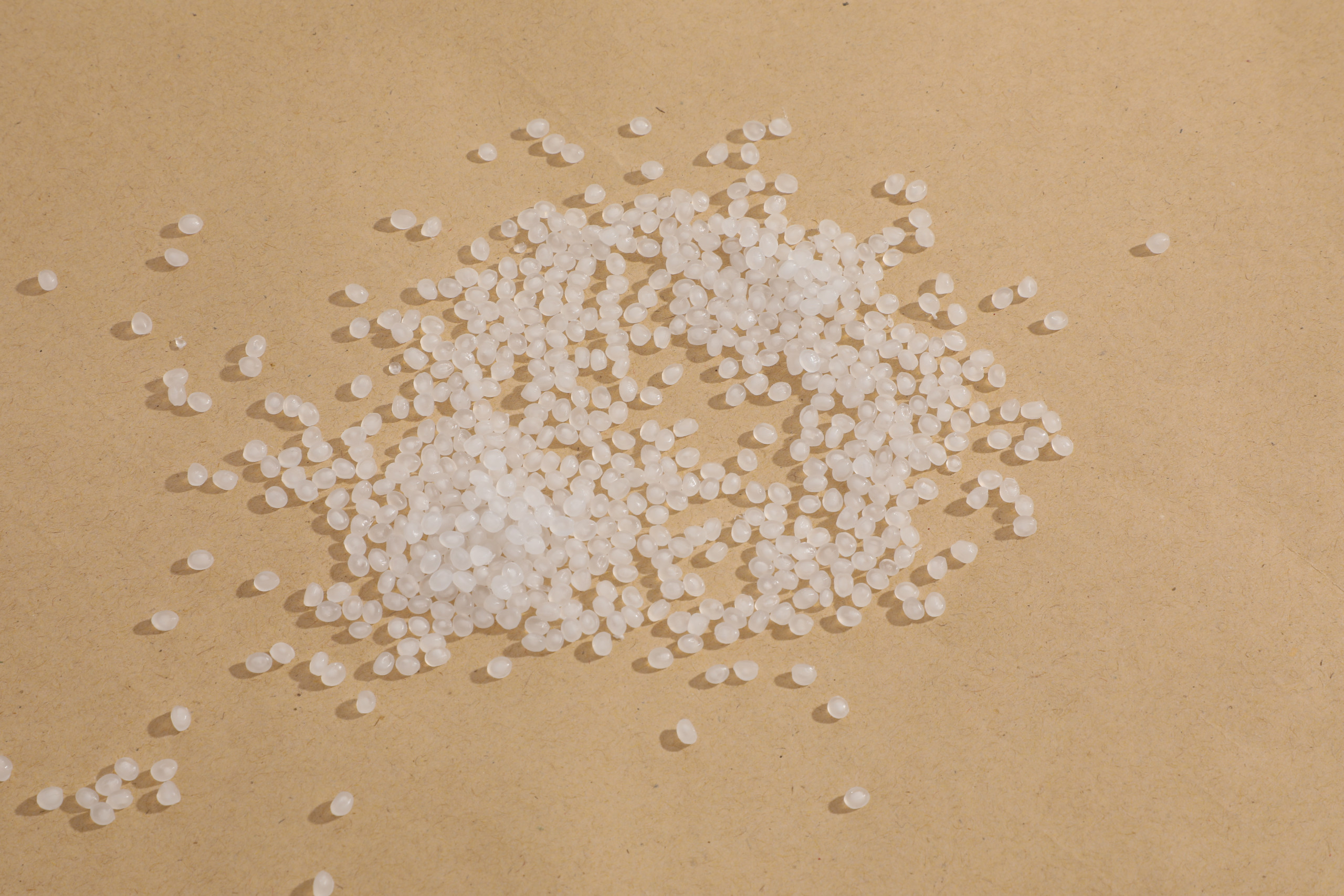

What Does the Triangle 5 Mean on Plastic? You’ve seen it hundreds of times—on yogurt cups, microwaveable containers, bottle caps, and takeout boxes. A small triangle, often at the bottom of the plastic item, with a number stamped inside. But what does the “5” inside that triangle actually mean? And more importantly, is it safe? Is it recyclable? Should you be worried?
If you’ve ever paused and wondered whether that plastic container is leaching harmful chemicals into your food, or why some plastics seem to outlive the food they hold, you’re not alone. The triangle symbol—officially called the Resin Identification Code (RIC)—was created to help sort plastics for recycling. But over time, it has also become a source of confusion, misinformation, and even misplaced trust.
In this article, we’re going to cut through the noise. We’ll explain exactly what the triangle 5 means, what material it represents, and why it matters not just for your kitchen, but for engineers, manufacturers, and industries that rely on high-performance plastics. And along the way, we’ll look at how materials like polypropylene (PP) compare to other engineering thermoplastics—and where specialists like CISKO come into the picture when standard plastics aren’t enough.
Let’s start with the most common misunderstanding: The triangle symbol does NOT mean the plastic is recyclable. It means the plastic is identifiable for recycling purposes. The number identifies the polymer type—nothing more, nothing less.
The number 5 inside the triangle stands for Polypropylene (PP) .
| Resin ID Code | Material | Common Uses |
|---|---|---|
| 1 | PET (Polyethylene Terephthalate) | Water bottles, soda bottles |
| 2 | HDPE (High-Density Polyethylene) | Milk jugs, detergent bottles |
| 3 | PVC (Polyvinyl Chloride) | Pipes, window frames |
| 4 | LDPE (Low-Density Polyethylene) | Plastic bags, shrink wrap |
| 5 | PP (Polypropylene) | Food containers, bottle caps, medical vials, automotive parts |
| 6 | PS (Polystyrene) | Disposable cups, foam packaging |
| 7 | Other (PC, PA, ABS, etc.) | Baby bottles, electronics, engineering plastics |
So when you see a “5” on the bottom of a container, you’re looking at polypropylene. But here’s where the truth gets interesting.

Polypropylene (PP) is one of the most widely used plastics in the world—and for good reason. It’s tough, lightweight, heat-resistant, and chemically inert. In the hierarchy of commodity plastics, PP sits near the top for safety and performance.
No BPA or Phthalates: Unlike polycarbonate (often found in code 7 plastics), PP does not contain bisphenol A (BPA). It also doesn’t rely on phthalates as plasticizers. This makes it one of the safer options for food contact.
High Melting Point (130–171°C): PP can withstand microwave temperatures better than polyethylene (code 2 or 4) or polystyrene (code 6). This is why microwave-safe containers are often made from PP.
Low Chemical Leaching Risk: PP is resistant to acids, bases, and most organic solvents. Under normal use, leaching of monomers or additives is minimal.
But—and here’s the crucial “but”—PP is not designed for extreme conditions. It degrades under prolonged UV exposure, can become brittle after repeated thermal cycling, and begins to soften above 130°C. For everyday food storage, it’s excellent. For aerospace connectors, medical implant housings, or 5G antenna components? Not even close.
This is where the conversation shifts from “what’s in my lunchbox” to what’s powering the modern world.
If you’re an engineer designing an electrical connector that needs to survive 200°C soldering processes, or a medical device manufacturer looking for a material that can withstand repeated steam sterilization, polypropylene simply won’t work. The same is true for components that require inherent flame retardancy (without halogenated additives), or parts that must maintain dimensional stability under continuous mechanical load at elevated temperatures.
This is the point where most people—and most industries—move up the plastics hierarchy. And in many cases, they land on PEI (Polyetherimide) , a high-performance engineering thermoplastic that operates in a completely different league.
| Property | PP (Polypropylene) | PEI (Polyetherimide – e.g., Ultem™ or Valiant PEI) |
|---|---|---|
| Continuous Use Temperature | ~80–100°C | Up to 170°C (RTI) |
| Glass Transition Temp (Tg) | ~−10°C | 217°C |
| Flame Rating (UL94) | HB (often) | V‑0 at 0.25 mm (inherent, halogen‑free) |
| Tensile Strength | ~30 MPa | Up to 180 MPa (glass‑filled) |
| Chemical Resistance | Good (acids, bases) | Excellent (on most solvents) |
| Microwave Safe | Yes | Yes (higher temp) |
| Cost | Low | Moderate to High |
A leading European aerospace supplier recently needed to replace an aluminium seat bracket with a lighter, injection‑moulded alternative. The part had to pass the strict FAR 25.853 vertical burn test—self‑extinguishing within 12 seconds—and reduce weight by at least 40%.

Polypropylene couldn’t meet the thermal or flame requirements. Standard reinforced nylons (PA66) would creep under load at elevated temperatures. The solution was 30% glass‑fibre reinforced PEI—specifically, Ultem™ 2300 grade provided by CISKO.
The result: a 45% weight reduction, full flame compliance without halogenated additives, and a part that maintains structural integrity under repeated loading at 210°C.
That’s the difference between a commodity plastic you find in a yogurt cup and an engineering material designed for mission‑critical applications.
Now, here’s something most articles won’t tell you: The quality of polypropylene—and especially high‑performance plastics like PEI—depends heavily on the supply chain.
You can buy PP from a general‑purpose plastic distributor. But if you need:
Certified traceability (COA, TDS, SDS for regulatory compliance)
Consistent batch quality (color, melt flow rate, mechanical properties)
Application‑specific support (drying parameters, mold design, processing temperatures)
…then you need a specialist supplier—one that sources directly from original manufacturers like SABIC, Solvay, BASF, or Victrex, and maintains full documentation for every shipment.
This is where CISKO NEW MATERIAL distinguishes itself. The company is an authorized distributor of Valiant PEI resins and Hanwha TotalEnergies PP compounds in South China. They do not source from grey markets. Every batch is traceable back to the original manufacturer. And unlike many distributors, CISKO provides technical support for mold design, material selection, and processing parameters—including drying temperatures, injection speeds, and cooling rates.
For example, if you’re injection‑molding a thin‑walled connector in PEI and experiencing warpage, CISKO can help you adjust the mold temperature gradient or recommend a mineral‑filled low‑warpage grade—not just send you bags of material and wish you luck.
Let’s be honest: the triangle 5 on a container tells you almost nothing about the quality of the material. Here are three problems that plague the industry:
Some suppliers blend virgin material with regrind or recycled content without disclosure. You might get a batch of PP that looks identical to the previous one—but has a different melt flow index, different color shade, or hidden contaminants. For a manufacturer running high‑volume injection molding, this means rejected parts, production downtime, and increased scrap rates.
How CISKO solves it: Every shipment comes with a Certificate of Analysis (COA) specific to the batch. The company also maintains TDS (Technical Data Sheets) and SDS (Safety Data Sheets) for all materials, ensuring that customers have full visibility into the material properties they’re purchasing.
Small suppliers often fail to provide regulatory compliance documents (REACH, RoHS, UL, FDA). This is a nightmare for manufacturers in aerospace, medical devices, or automotive who need to pass audits and comply with international standards.
How CISKO solves it: The company supplies materials with full regulatory documentation—including REACH, RoHS, UL Yellow Card (for PEI grades), and FDA compliance for food‑contact grades. This is a non‑negotiable service, not an afterthought.
Stockouts can shut down a production line. Some distributors only order material after receiving a purchase order, leading to 6–8 week lead times. For manufacturers running JIT (Just‑In‑Time) production, that’s a disaster.
How CISKO solves it: The company maintains strategic inventory of fast‑moving grades—including Ultem 1000, Ultem 2300, Valiant PEI, and Hanwha PP compounds—in multiple warehouses across South China. This enables same‑week or next‑week delivery for common grades, and typical lead times of 2–4 weeks for specialized orders.
Here’s the uncomfortable truth: The triangle code gives you no information about whether a plastic is food‑grade, microwave‑safe, or free of heavy metals.
For example:
A “5” on a container could indicate virgin food‑grade PP—or it could indicate a PP blend containing recycled material that is not suitable for food contact.
Some PP containers are labeled “microwave safe” based on testing—but the triangle 5 alone does not certify that.
Even within the same PP grade, colorants, stabilizers, and processing aids can vary between manufacturers, affecting safety and performance.
The only way to know for sure is to request documentation from the supplier—specifically, the TDS (Technical Data Sheet) and the regulatory compliance certificates.
This is why manufacturers working with high‑temperature or performance‑critical applications often bypass general‑purpose distributors altogether and work directly with specialized suppliers like CISKO. The material cost might be slightly higher, but the risk reduction is substantial.
If you’re designing a product or selecting a material for manufacturing, here’s a decision framework that can help:
Below 100°C continuous? PP, PE, or PS may suffice.
100–170°C? Consider PC, PA66, or PBT.
Above 170°C? Look at PEI, PPS, PEEK, or PES.
UL94 V‑2 or HB? Many standard plastics meet this.
UL94 V‑0 at thin wall (0.25–0.4mm)? You need an inherently flame‑retardant material like PEI, or a halogen‑free FR additive system in engineering plastics.
Frequent contact with solvents, oils, or cleaning agents? PEI, PEEK, or PVDF are better choices than PC or ABS.
Medical devices? Look for materials with ISO 10993 biocompatibility testing.
Aerospace interiors? Materials must pass FAR 25.853 or equivalent.
Food contact? Check FDA 21 CFR or EU 10/2011 compliance documents.
Can the supplier provide traceable batch records and regulatory documentation?
Do they have technical support for mold design, drying, and processing?
Are lead times reliable, or will you be forced to hold expensive safety stock?
The triangle 5 on plastic tells you one thing: the material is polypropylene. It tells you nothing about safety, quality, regulatory compliance, or suitability for high‑performance applications.
For everyday items like food containers, bottle caps, or household appliances, PP is often the right choice—provided it is sourced from a reliable supplier with proper documentation.
But for industries that demand thermal stability above 170°C, inherent flame retardancy, or mechanical strength under continuous load, PP is simply not enough. That’s when materials like PEI, PES, PSU, or PEEK come into play—and that’s when specialized suppliers like CISKO NEW MATERIAL become indispensable partners.
The next time you look at a plastic container and see that triangle with a 5 inside, ask yourself: Is this material good enough for what I need? If the answer is “I’m not sure,” then you’ve just taken the first step toward making a smarter, safer material decision.
Because in the end, the truth about PP—and all plastics—isn’t in the triangle. It’s in the documentation, the traceability, and the expertise behind the supply chain.
If you’re working on a project that requires high‑temperature engineering plastics—whether it’s PEI for 5G components, PEEK for medical implants, or PPS for automotive under‑the‑hood applications—reach out to a specialist supplier who can provide the documentation and support you need. Companies like CISKO have built their reputation not on selling “plastic,” but on delivering performance, trust, and technical depth.


Leave a comment