No products in the cart.
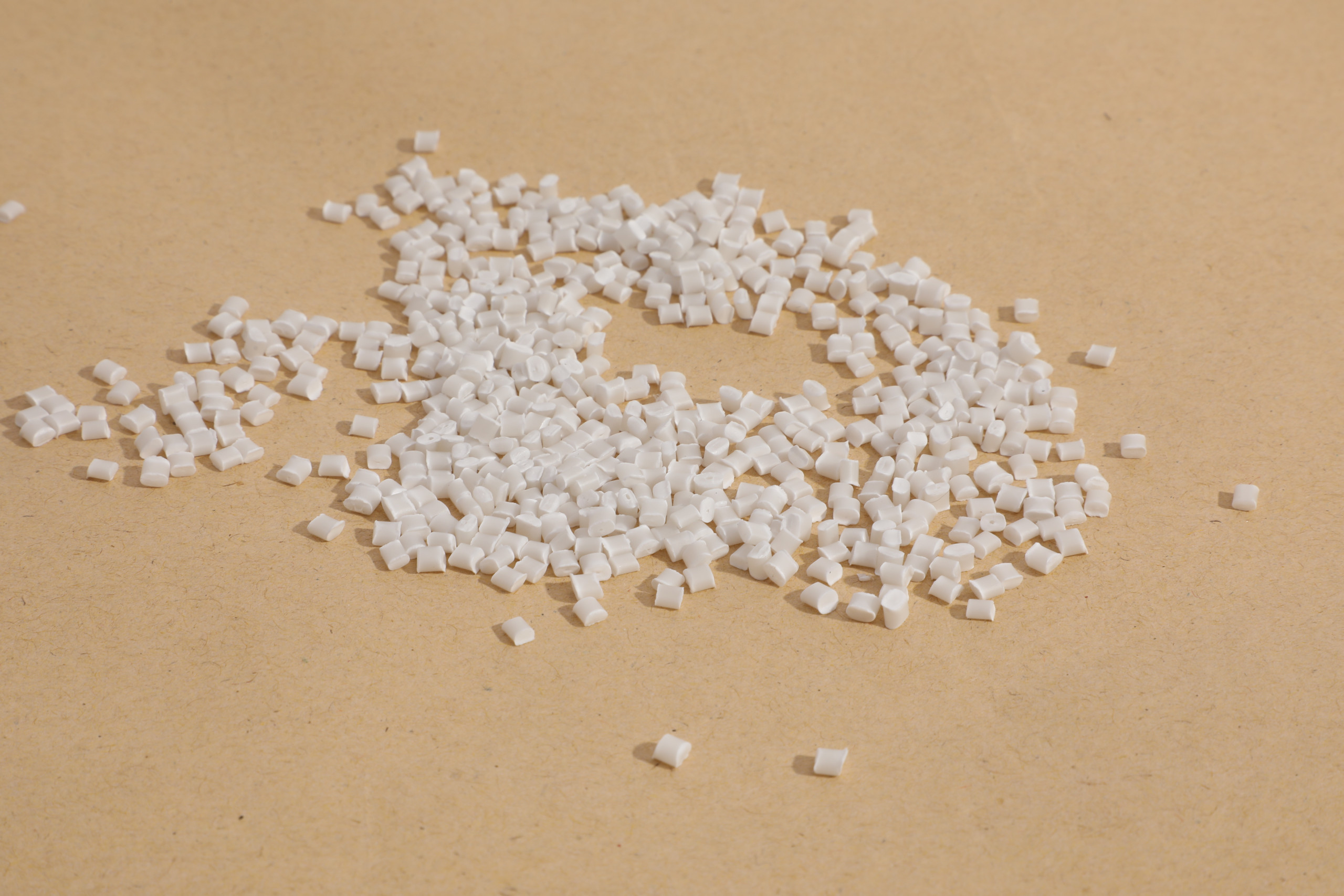

Polypropylene (PP) is one of the most widely used plastics in the world. From food containers and automotive components to medical devices and textiles, PP plastic is everywhere. Yet despite its prevalence, many engineers, procurement professionals, and product designers still have questions about its properties, processing methods, and the best way to source high-performance grades. This comprehensive guide answers everything you need to know about PP plastic.
You may not realize it, but you interact with polypropylene dozens of times every day. The yogurt container in your fridge, the bumper of your car, the battery case of your power tool—these are all likely made from PP. But what makes this material so ubiquitous?
Polypropylene is a thermoplastic polymer belonging to the polyolefin family. It was first polymerized in the 1950s and quickly became a workhorse of the plastics industry due to its excellent balance of properties, low cost, and ease of processing. However, not all PP is created equal. The difference between a commodity-grade PP and a high-performance engineering-grade PP can be substantial, affecting everything from mechanical strength to thermal resistance.
In this article, we will explore the fundamental characteristics of PP plastic, its key performance parameters, the different types available, and how to select the right grade for your application. We will also examine the role of specialized suppliers like CISKO in providing high-quality PP compounds that meet the rigorous demands of modern manufacturing.
Polypropylene is a vinyl polymer made from the monomer propylene, which is a byproduct of petroleum refining and natural gas processing. Its chemical formula is (C₃H₆)ₙ, and its structure can be tailored during polymerization to achieve different properties.
The arrangement of methyl groups along the polymer chain determines the material’s crystallinity and properties:
Isotactic PP (iPP): Methyl groups are all on the same side of the chain. This creates a highly crystalline structure (50–70%), delivering excellent stiffness, tensile strength, and heat resistance. Most commercial PP grades are isotactic.

Syndiotactic PP (sPP): Methyl groups alternate sides of the chain. This results in lower crystallinity (20–30%), better clarity, and higher impact strength at the expense of stiffness.
Atactic PP (aPP): Methyl groups are randomly arranged. This amorphous material is soft, tacky, and used primarily as an adhesive or sealant.
| Property | Typical Value Range | Notes |
|---|---|---|
| Density | 0.90 – 0.91 g/cm³ | Lowest density among commodity thermoplastics |
| Melting Point | 160 – 170 °C | Higher for isotactic grades |
| Tensile Strength | 25 – 40 MPa | Unreinforced; can exceed 100 MPa with glass fiber |
| Flexural Modulus | 900 – 1,800 MPa | Unreinforced; over 7,000 MPa with fillers |
| Elongation at Break | 100 – 600% | Highly ductile in homopolymer form |
| Izod Impact (Notched) | 20 – 100 J/m | Varies greatly with copolymer content |
| HDT (1.82 MPa) | 55 – 70 °C | Unreinforced; up to 150 °C with glass fiber |
Continuous Use Temperature: 80 – 120 °C (without load); higher with heat stabilizers
Flame Retardancy: UL94 HB standard; V-2, V-0 possible with additives (halogen-free options available)
Dielectric Strength: 20 – 30 kV/mm (excellent electrical insulator)
Coefficient of Thermal Expansion: 100 – 150 × 10⁻⁶ /°C (relatively high; must be considered for tight-tolerance applications)
PP is highly resistant to:
Inorganic acids and bases (except strong oxidizing agents)
Organic solvents (at room temperature)
Detergents and cleaning agents
PP is not resistant to:
Aromatic hydrocarbons (benzene, toluene)
Chlorinated solvents (methylene chloride)
Strong oxidizing acids (nitric, sulfuric)
One industry study from 2022 found that PP maintains over 90% of its tensile strength after 30 days of immersion in 10% hydrochloric acid at 60°C, making it a preferred material for chemical storage tanks and piping.
PP is rarely used in its pure homopolymer form for demanding applications. Instead, it is modified through copolymerization, reinforcement, or compounding to achieve specific property profiles.
Description: Only propylene monomers; high crystallinity and stiffness
Key Features: Excellent chemical resistance, good tensile strength, low cost
Typical Applications: Textile fibers (ropes, carpets), packaging films (BOPP), automotive battery cases, housewares
Limitations: Poor impact resistance at low temperatures; notch sensitivity
Description: 1–7% ethylene (or other α-olefins) randomly inserted into the PP chain
Key Features: Improved clarity (transparency), better impact resistance, lower melting point
Typical Applications: Clear food containers (e.g., microwaveable trays), medical syringes, hot water pipes (PP-R pipe systems)
Limitations: Lower stiffness compared to homopolymer
Description: Contains ethylene-propylene rubber (EPR) blocks dispersed in the PP matrix
Key Features: Excellent impact strength (even below 0°C), good chemical resistance
Typical Applications: Automotive bumpers and interior trim, battery cases, industrial containers, tool housings
Limitations: Lower stiffness and clarity compared to homopolymer
Description: PP compounded with 10–40% short glass fibers
Key Features: Significantly increased tensile strength (up to 120 MPa), flexural modulus (up to 7,500 MPa), and HDT (up to 155°C)
Typical Applications: Automotive under-the-hood components (fan shrouds, radiator end tanks), washing machine drums, power tool housings
Limitations: Reduced elongation, anisotropic shrinkage, more abrasive to molds
Description: Blends with elastomers (e.g., EPDM, styrenic block copolymers)
Key Features: Very high impact strength (up to 800 J/m notched Izod), ductile behavior at low temperature
Typical Applications: Bicycle helmets, automotive fascias, crates and totes
Limitations: Reduced stiffness and thermal resistance
Description: PP compounded with halogenated or halogen-free flame retardants
Key Features: UL94 V-0 or V-2 rated, low smoke emission (for halogen-free formulations)
Typical Applications: Electrical enclosures, battery modules, appliance housings
**Important Note: Recent regulations (e.g., EU RoHS, WEEE) have driven a shift toward halogen-free FR systems, which require more precise compounding to maintain mechanical properties.
Many applications require custom formulations. For instance, Hanwha TotalEnergies PP compounds, distributed by CISKO, offer tailored solutions for automotive, electronics, and appliance industries. These compounds may incorporate:
Mineral fillers (talc, calcium carbonate) for stiffness and low warpage
Conductive additives (carbon black, graphite) for electrostatic discharge (ESD) protection
UV stabilizers for outdoor durability
Antistatic agents for dust-free applications
Choosing the correct PP grade is critical for product performance, manufacturing efficiency, and cost control. Follow these steps:
Maximum service temperature: Continuous duty or peak temperature excursions?
Chemical exposure: What solvents, acids, or bases will the part contact?
Mechanical loads: Static versus dynamic? Creep resistance needed?
Environmental factors: UV exposure? Humidity? Outdoor weathering?
Melt flow index (MFI): Lower MFI (0.5–5 g/10 min) for extrusion; higher MFI (10–50 g/10 min) for injection molding
Shrinkage: PP typically shrinks 1.5–2.5%; glass-filled grades shrink less (0.3–1.0%)
Mold fill: For thin-walled parts or complex geometries, choose a higher-flow grade
Cycle time: Copolymer PP may require longer cooling due to lower crystallinity
A common mistake is specifying an unnecessarily high-performance grade. For example:
Over-specifying impact: A homopolymer PP may suffice for a non-load-bearing housing, saving 15–30% material cost versus a block copolymer
Over-specifying heat resistance: If the application never exceeds 80°C, a standard PP grade is adequate; no need for glass-filled or heat-stabilized grades
FDA compliance (for food contact)
RoHS/REACH (for European markets)
UL yellow card (for electrical enclosures)
NSF standards (for potable water systems)
The quality of PP compounds can vary significantly between suppliers. Inconsistent batch quality, missing documentation, or long lead times can disrupt production. This is where a trusted distributor like CISKO adds value. By supplying directly from original manufacturers—including Hanwha TotalEnergies—CISKO ensures full traceability, certified quality, and on-time delivery.
PP is one of the easiest thermoplastics to process, but attention to detail is essential.
While PP is not hygroscopic (it absorbs very little moisture), surface moisture from condensation can cause splay marks. For glass-filled grades, pre-drying at 80–100°C for 2–3 hours is recommended.
Melt temperature: 190 – 270°C (check grade-specific datasheet)
Mold temperature: 30 – 80°C (higher temperature improves crystallinity and part finish)
Injection pressure: 500 – 1,500 bar (depends on flow length and wall thickness)
Shrinkage: Account for 1.5–2.5% (isotactic homopolymer) to 0.5–1.5% (glass-filled)
Melt temperature: 180 – 230°C
Screw design: General-purpose or barrier screw; L/D 24:1 to 30:1
Die design: Low-shear profiles to avoid melt fracture
| Defect | Likely Cause | Solution |
|---|---|---|
| Splay marks | Moisture or trapped air | Dry material; check melt temperature |
| Flash (burrs) | High injection pressure or worn tooling | Reduce pressure; repair mold |
| Sink marks | Excessive shrinkage in thick sections | Increase hold pressure; use glass-filled grade |
| Warpage | Uneven cooling or shrinkage | Optimize mold cooling; use mineral-filled grade |
| Short shots | Insufficient material flow | Increase melt temperature or injection speed |
As the plastics industry moves toward a circular economy, PP is at the forefront of innovation.
PP is widely recycled (identification code #5). Post-consumer PP can be reprocessed into new products, though mechanical properties degrade slightly with each cycle. A 2023 report from the Association of Plastic Recyclers indicated that recycled PP demand grew by 12% year-over-year, driven by corporate sustainability commitments.
Advanced recycling technologies (pyrolysis, depolymerization) can break PP back into monomers for virgin-quality production. While more energy-intensive, this approach addresses limitations of mechanical recycling (e.g., contamination, color sorting).
Polypropylene can be produced from renewable feedstocks (e.g., sugarcane, waste cooking oil). Several major chemical companies now offer certified bio-attributed PP (mass balance approach), with carbon footprints 30–70% lower than fossil-based PP.
Glass-filled and mineral-filled PP compounds allow engineers to replace heavier metals and thermosets, reducing product weight by 30–50%. In automotive applications, every 10 kg saved reduces CO₂ emissions by approximately 1 g/km.

Regulatory pressure is driving the shift from halogenated FR systems to phosphorus-based or nitrogen-based alternatives. These newer systems require careful formulation to maintain UL94 ratings without sacrificing mechanical properties. CISKO offers halogen-free FR PP compounds that meet the latest industry standards (UL94 V-0, REACH, RoHS).
Polypropylene is unlikely to be replaced any time soon. Its unique combination of low density, excellent chemical resistance, good mechanical properties, and low cost makes it the go-to material for hundreds of applications across virtually every industry. However, the key to success lies in selecting the right grade and sourcing from a partner who understands the nuances of polymer science.
Whether you need a standard homopolymer for packaging, a glass-reinforced grade for structural components, or a custom halogen-free FR compound for electrical enclosures, working with a specialized supplier like CISKO ensures you get genuine, documented material with application-specific support. As the industry evolves toward more sustainable, higher-performance materials, PP will undoubtedly remain at the center of innovation.
For designers, engineers, and procurement professionals, understanding the full spectrum of PP plastic—from polymerization to end-of-life recycling—is no longer optional; it is essential for competitive product development and responsible manufacturing. Armed with the knowledge in this guide, you are now better equipped to make informed decisions that balance performance, cost, and sustainability.


Leave a comment