
No products in the cart.
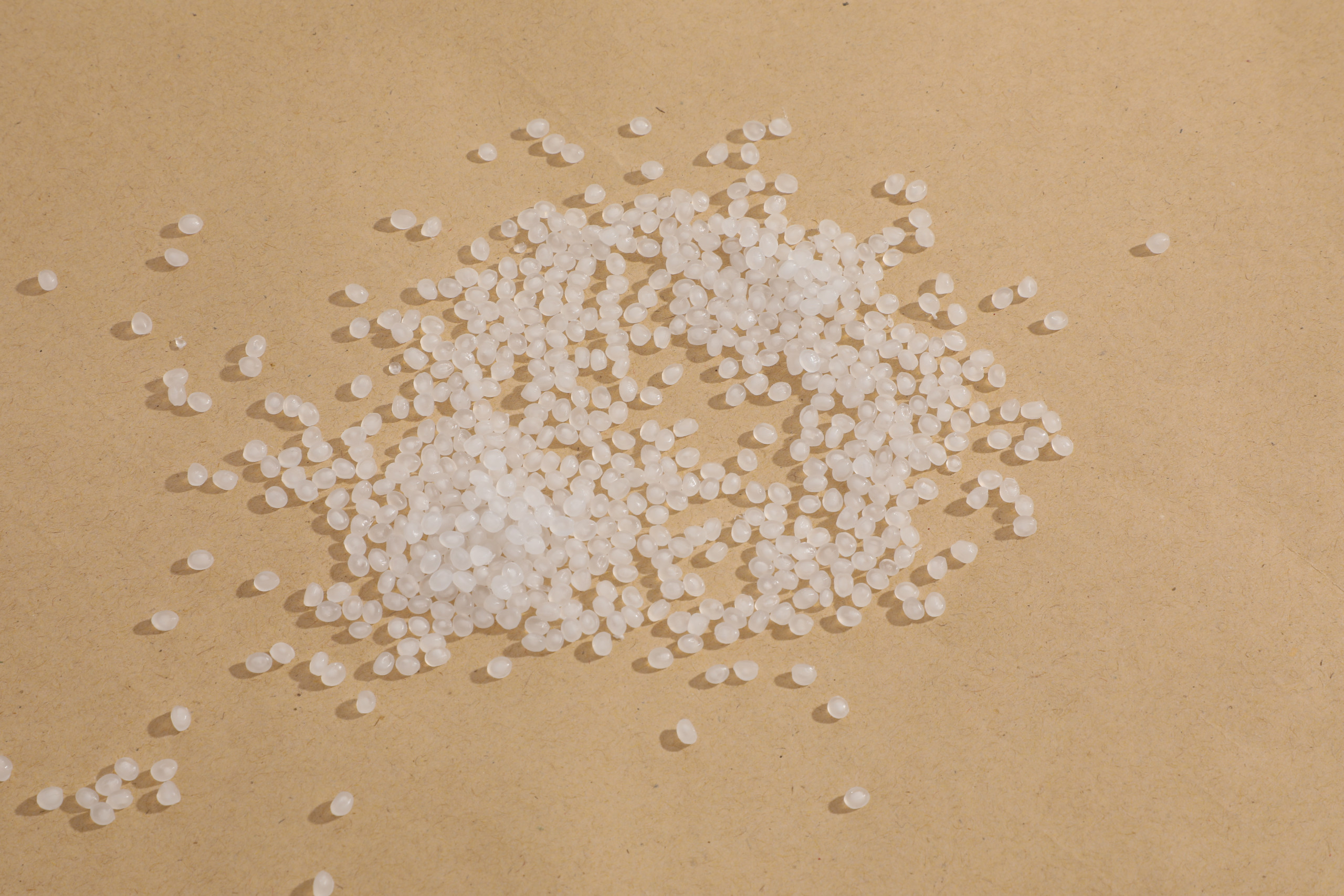
What Does the Triangle 5 Mean on Plastic? The Truth About PP
What Does the Triangle 5 Mean on Plastic? You’ve seen it hundreds of times—on yogurt cups, microwaveable containers, bottle caps, and takeout boxes. A small triangle, often at the bottom of the plastic item, with a number stamped inside. But what does the “5” inside that triangle actually mean? And more importantly, is it safe? […]
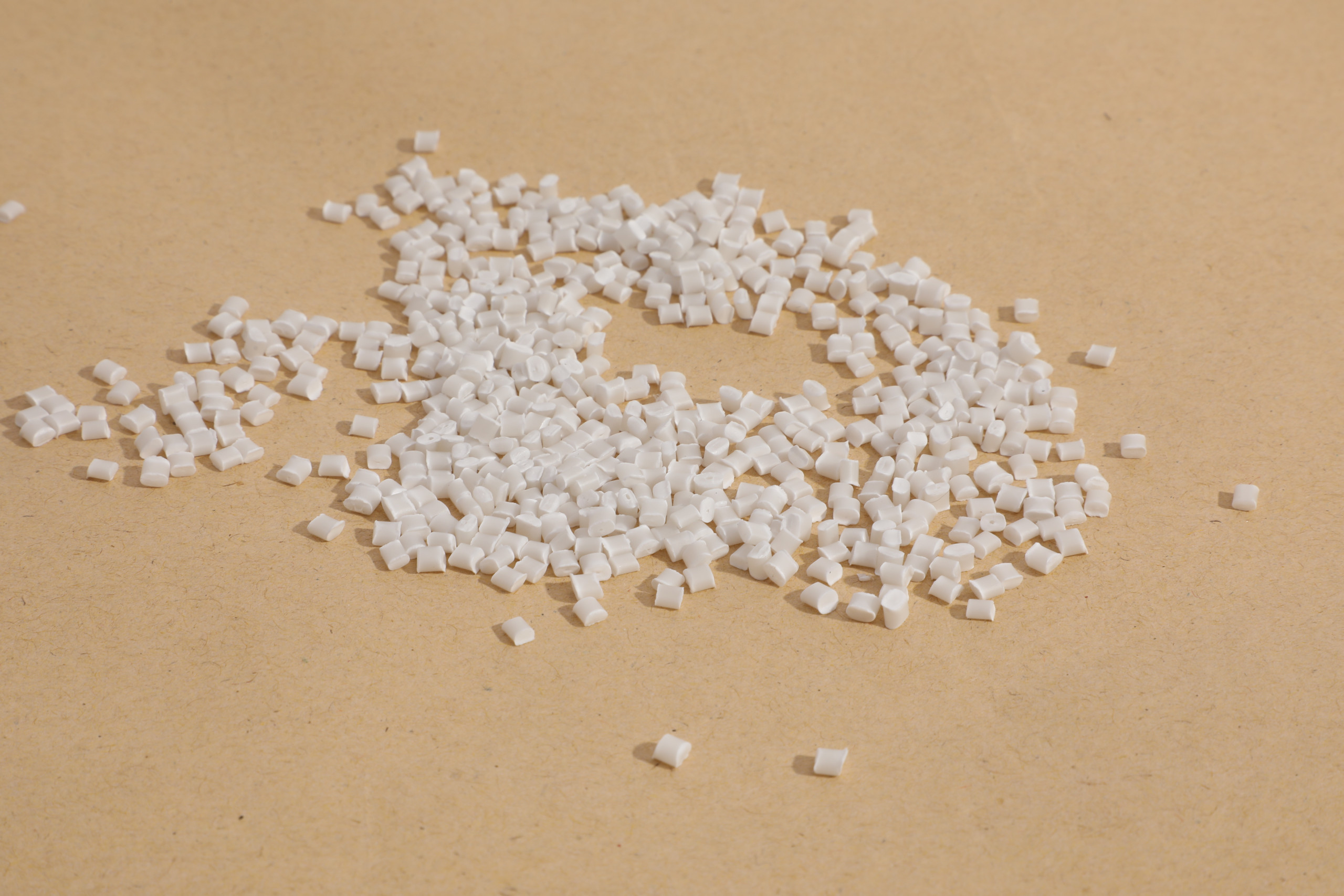
What Is PP Plastic? Everything You Need to Know About It
Polypropylene (PP) is one of the most widely used plastics in the world. From food containers and automotive components to medical devices and textiles, PP plastic is everywhere. Yet despite its prevalence, many engineers, procurement professionals, and product designers still have questions about its properties, processing methods, and the best way to source high-performance grades. […]

What the PP Plastic Code Actually Means (And Why It Matters)
When you pick up a plastic container and turn it over, you’ll see a circular triangle made up of three arrows, with a number printed in the center—it could be 1, 2, 3, 4, 5, 6, or 7. The number 5 represents polypropylene (PP). This seemingly simple code carries the deep logic of materials science, […]

3 Surprising Uses of PP T40 Plastic You Didnt Know
When most engineers and procurement professionals hear “PP T40 plastic” or “polypropylene T40”, their minds instinctively jump to automotive interior parts or household appliance housings. And for good reason—this 40% talc-filled polypropylene compound has long been a workhorse material for dashboards, door panels, fan blades, and washing machine drums. Its balance of stiffness, dimensional stability, […]
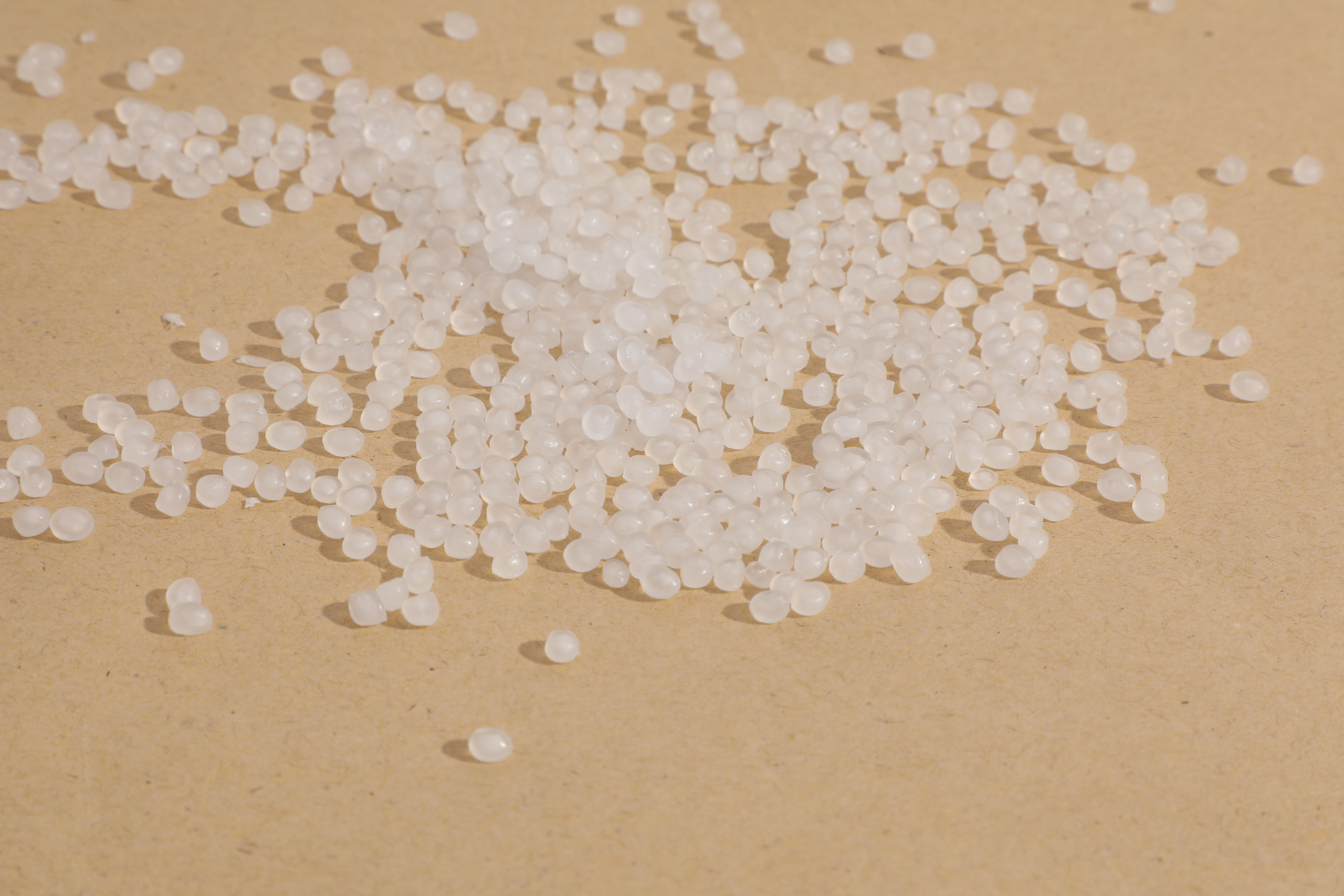
Learn to Glue PP Plastic Without Any Special Tools
If you have ever tried to glue a broken polypropylene (PP) plastic part—perhaps a snapped automotive trim clip, a cracked chemical container, or a split kitchenware handle—you have almost certainly experienced the same frustrating result: the bond just won’t hold. You apply what looks like a strong adhesive, press the parts together, wait the recommended time, and […]

CISKO NEW Material Expands Valiant PEI Stock – Now Offering VAT002P50, P100, P200, P350 Powders
1. Valiant PEI Stock Announcement We are pleased to announce that CISKO NEW MATERIAL has expanded its product portfolio to include the full range of Valiant PEI powders. As an authorized distributor of Valiant polyetherimide (PEI) resins, we now stock four powder grades: VAT002P50, VAT002P100, VAT002P200, and VAT002P350. These micronized PEI powders open up new manufacturing possibilities for our […]

Flame Retardant Regulations for Engineering Plastics: UL94, REACH, and What’s Next
1. Flame Retardant Regulations Introduction Flame retardancy is not a “nice to have” for many engineering plastics – it is a legal and safety requirement. Electrical and electronic (E&E) components, automotive parts, and aerospace interiors must resist ignition, self‑extinguish quickly, and produce low smoke and toxicity in the event of a fire. Failure to comply […]
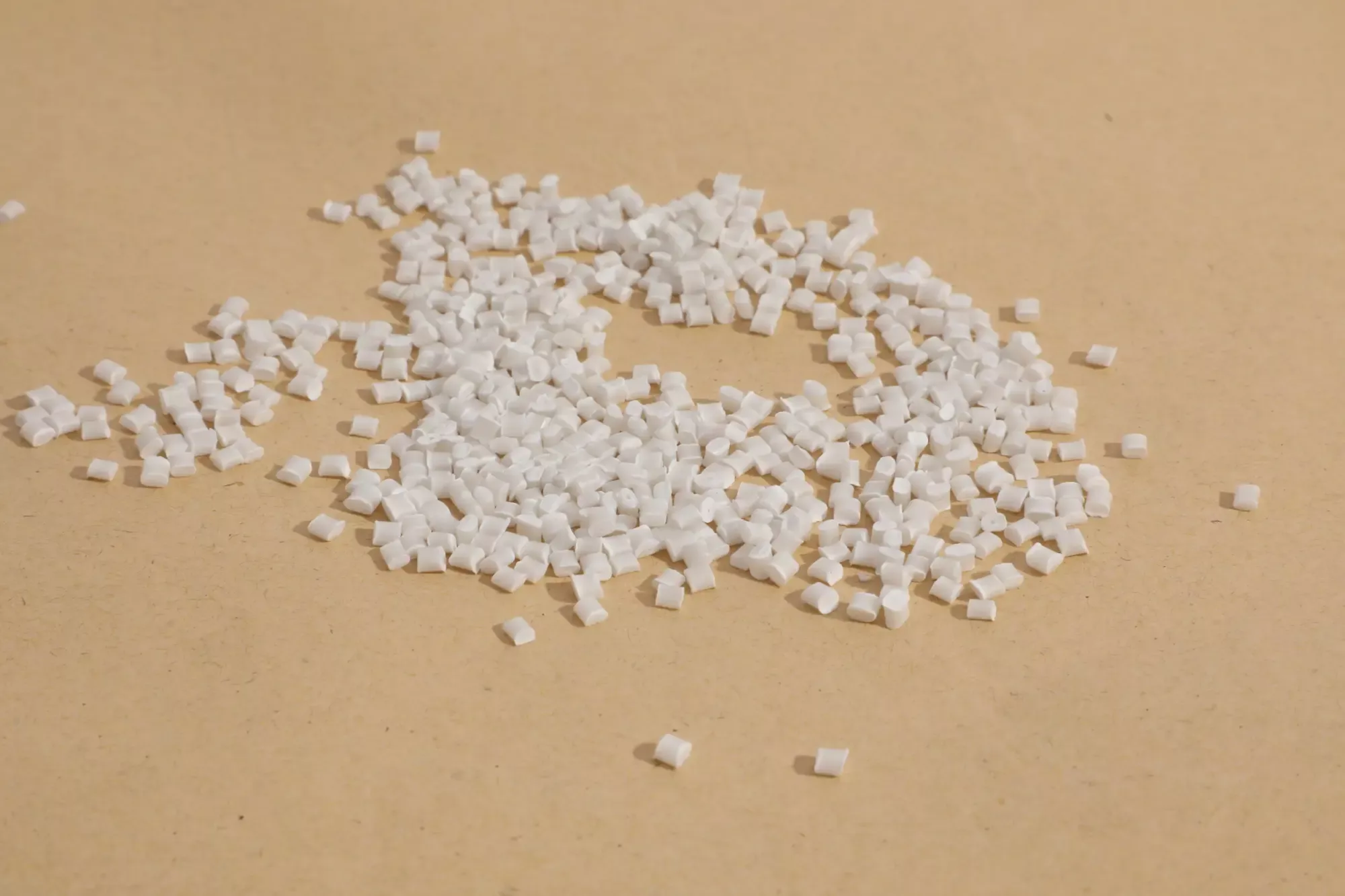
PEI vs PEEK: Which High‑Temperature Plastic Should You Choose?
1. Introduction PEI vs PEEK When engineers need a polymer that can withstand sustained heat, resist chemicals, and maintain mechanical integrity, two materials often top the list: PEI (polyetherimide) and PEEK (polyetheretherketone). Both are high‑performance engineering thermoplastics used in aerospace, medical, oil & gas, electronics, and automotive industries. But they are not interchangeable. PEI, best known under the […]
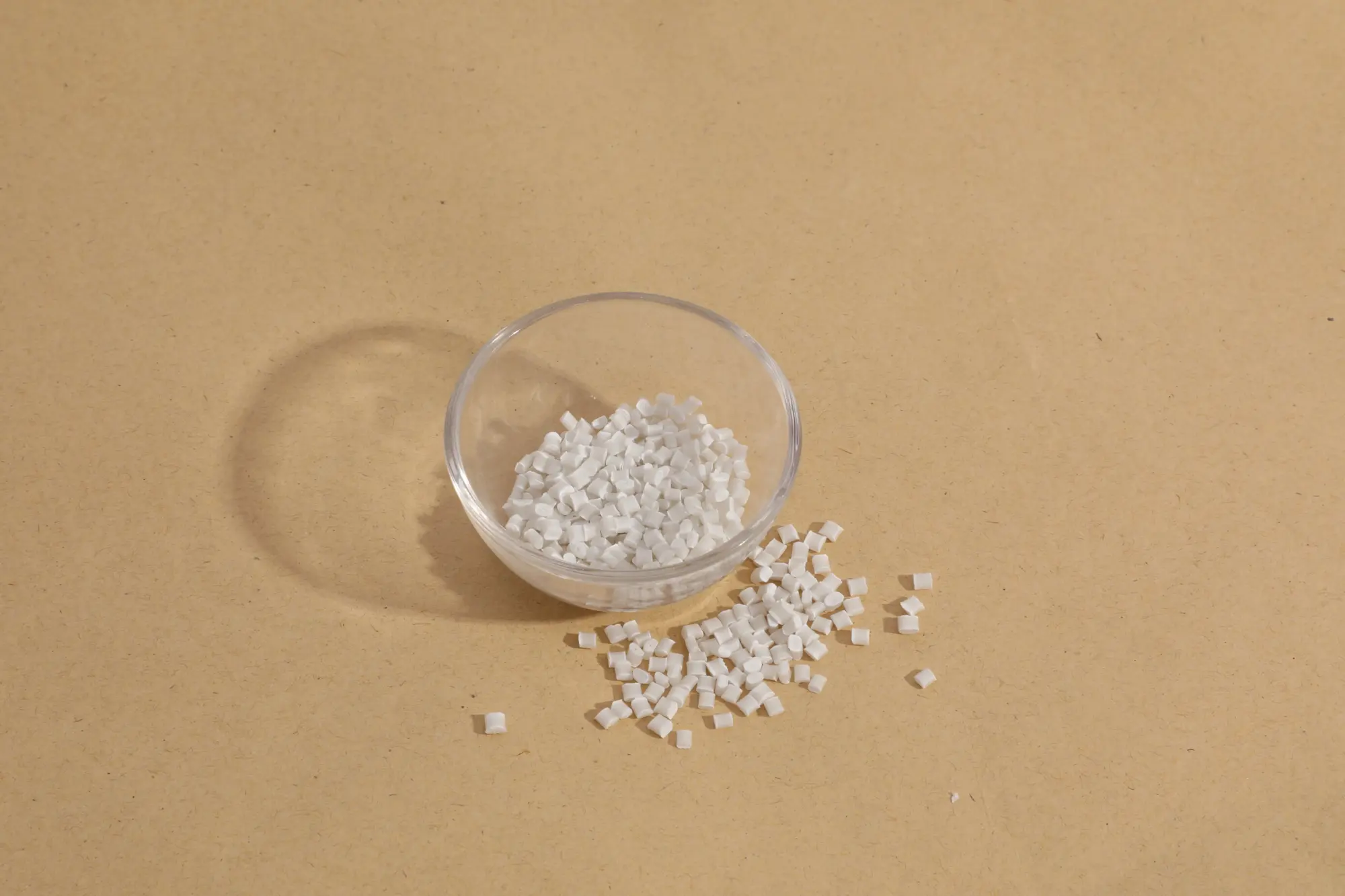
PEI Injection Molding: Drying, Temperature Settings & Troubleshooting Guide
1. Introduction PEI Injection Molding Polyetherimide (PEI), sold under brand names like SABIC Ultem™ and Valiant PEI, is a high-performance amorphous engineering plastic. It offers exceptional thermal stability (Tg 217°C), inherent flame retardancy (UL94 V0), and excellent mechanical properties up to 170°C. However, these benefits come at a cost: PEI demands precise injection molding conditions. Unlike commodity plastics like […]
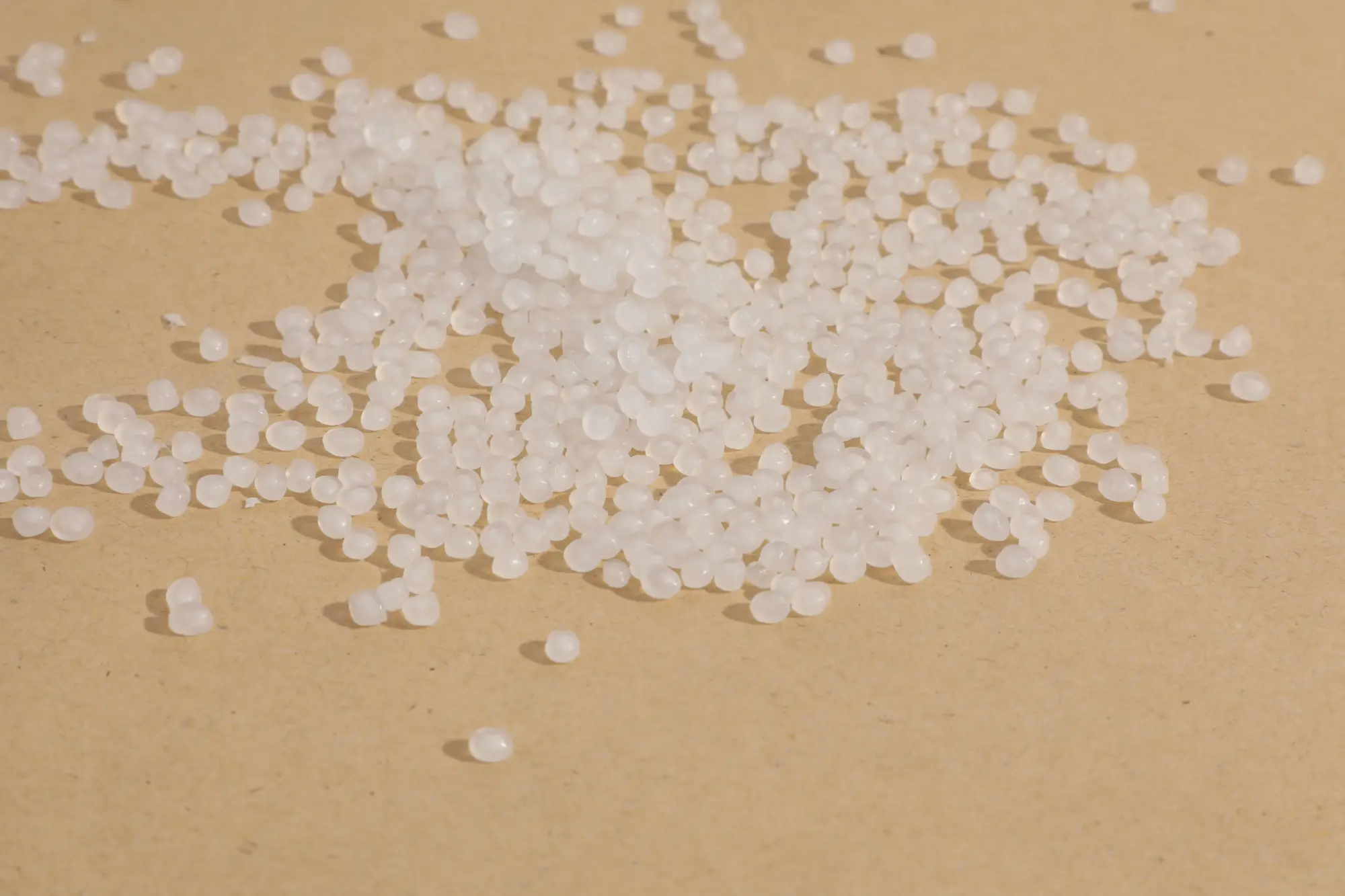
Ultem PEI in Aerospace: Meeting FAR 25.853 & Lightweighting Demands
1. Introduction Ultem PEI in Aerospace The aerospace industry faces a constant challenge: reduce aircraft weight to improve fuel efficiency while maintaining the highest safety standards. Every kilogram saved on an aircraft can save hundreds of gallons of fuel per year. At the same time, materials used in cabin interiors must be flame‑resistant, produce low […]


