
No products in the cart.
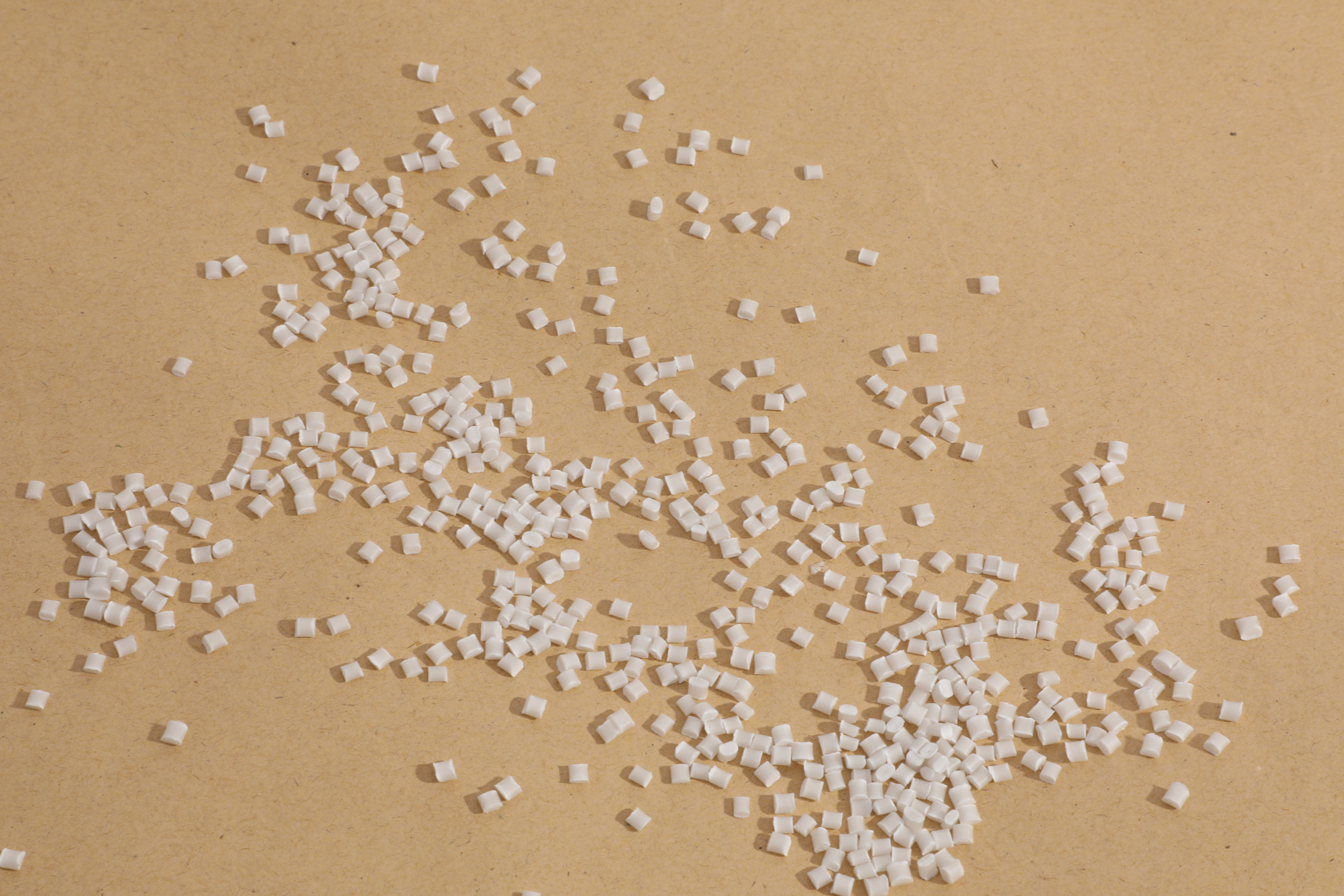
Why You Should Care About That 5 PP on Plastic Containers
Introduction: The Hidden Value of a Tiny Triangle Every time you pick up a yogurt cup, a takeout container, or a shampoo bottle, you see a small triangle with a number inside. Most people glance at it—if they notice it at all—and toss the item into the recycling bin without a second thought. But that […]
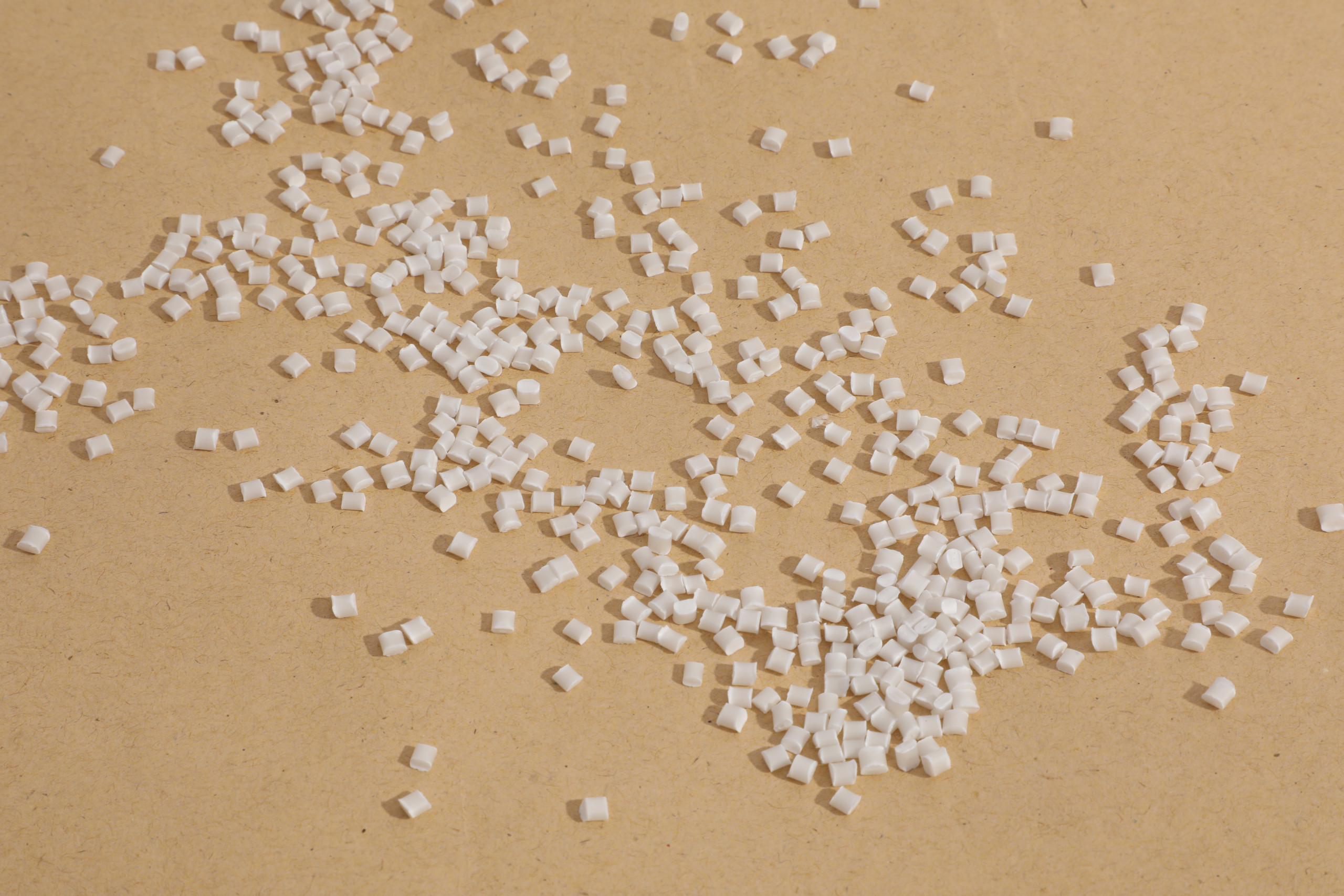
What Does Plastic Code 5 (PP) Mean? A Simple Guide
If you have ever looked at the bottom of a food container, a yogurt cup, or a medicine bottle, you have likely noticed a small triangle made of arrows with a number inside. This is the plastic resin identification code, and the number tells you which type of plastic the item is made from. Plastic […]
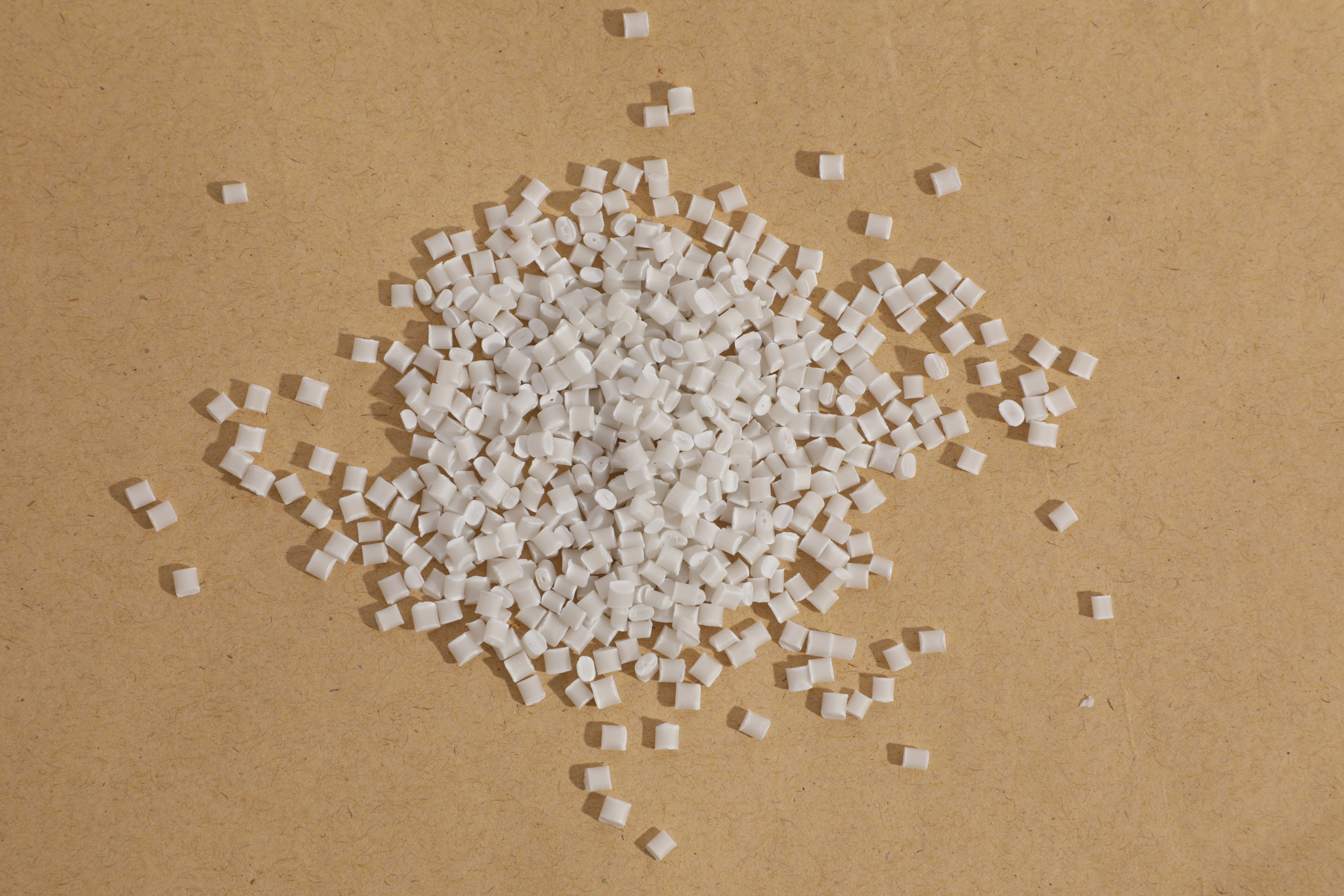
From Bottle Caps to Car Parts: Unexpected PP Plastic Uses
Polypropylene (PP) is one of the most widely used plastics in the world, yet its versatility often goes unnoticed. From the humble bottle cap to the intricate components of a modern automobile, PP plastic has quietly revolutionized manufacturing across industries. This article explores the unexpected and high-performance applications of PP, revealing how this material has […]
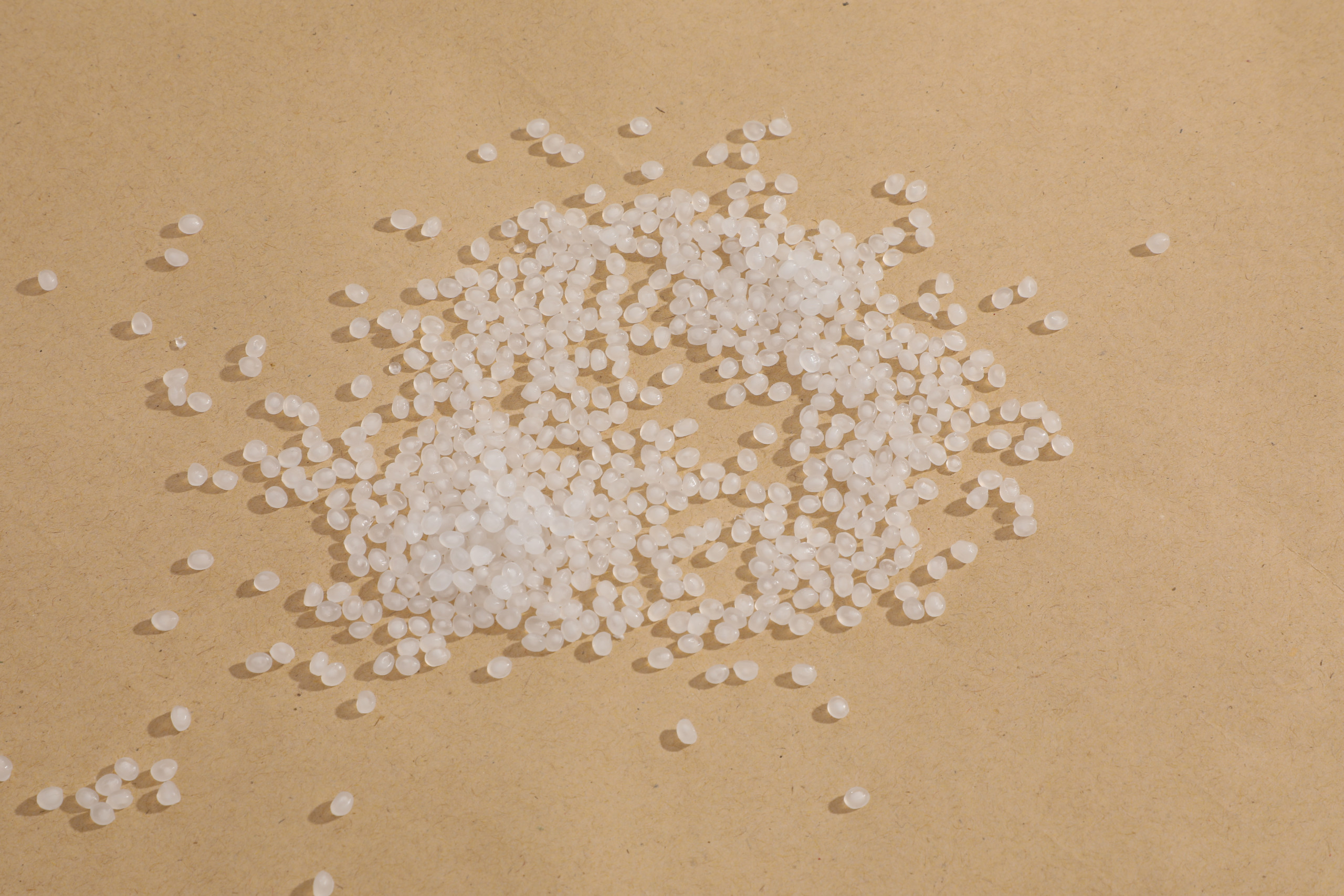
The OPP vs PP Plastic: Whats the Real Difference?
In the world of high-performance engineering plastics, selecting the right material can be the deciding factor between a successful product launch and a costly redesign. Two materials that often cause confusion among engineers and procurement professionals are OPP (Oriented Polypropylene) and PP (Polypropylene). While they share the same base polymer chemistry, their properties, manufacturing processes, […]
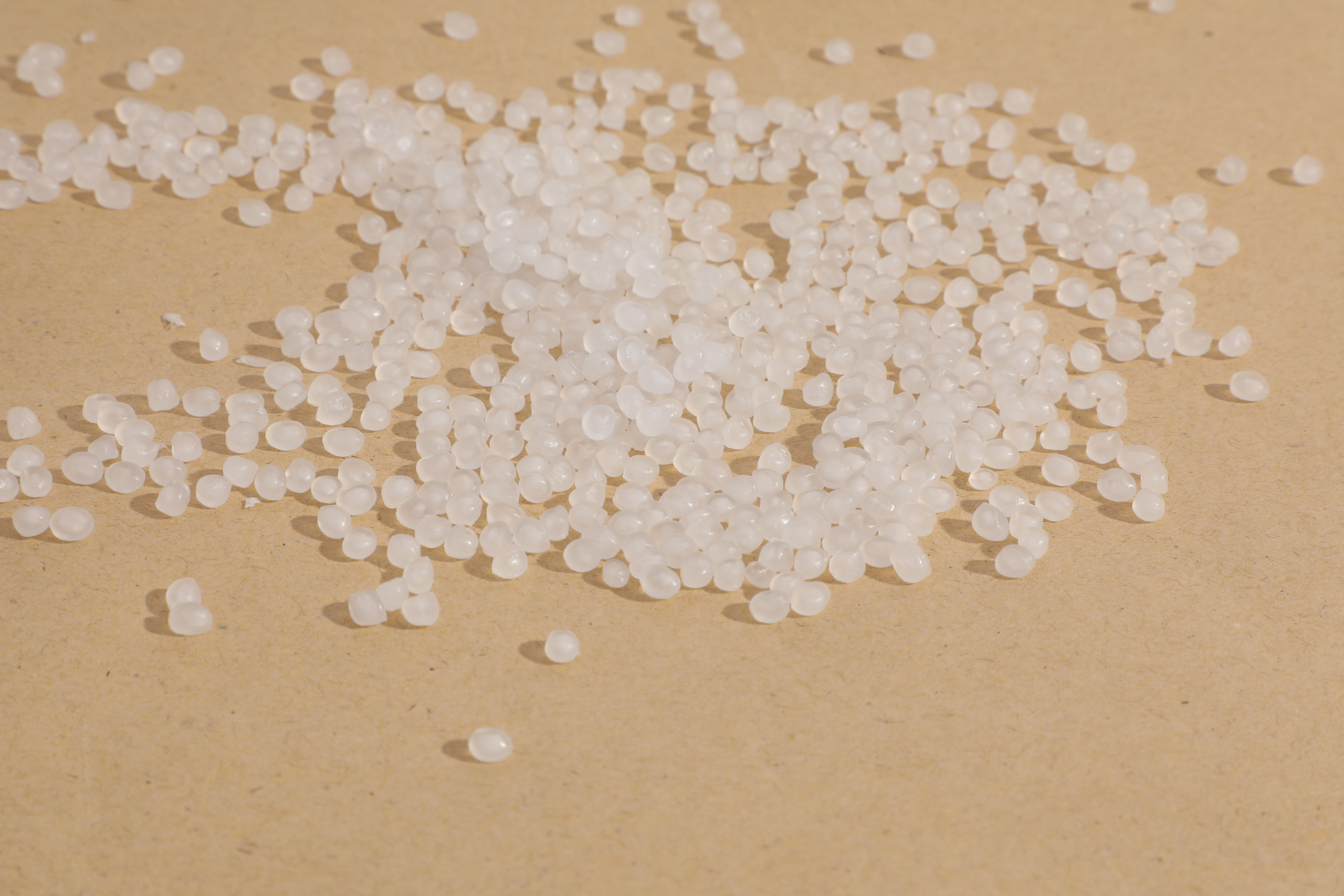
Why Choose PP Plastic Cream Jar for Your Skincare Routine
In the world of skincare packaging, the humble jar often gets overlooked. Consumers focus on the formula inside—the active ingredients, the texture, the scent—but the container that houses these precious creams plays a critical role in preserving efficacy, ensuring safety, and enhancing user experience. Among the myriad of packaging materials available, polypropylene (PP) plastic cream […]
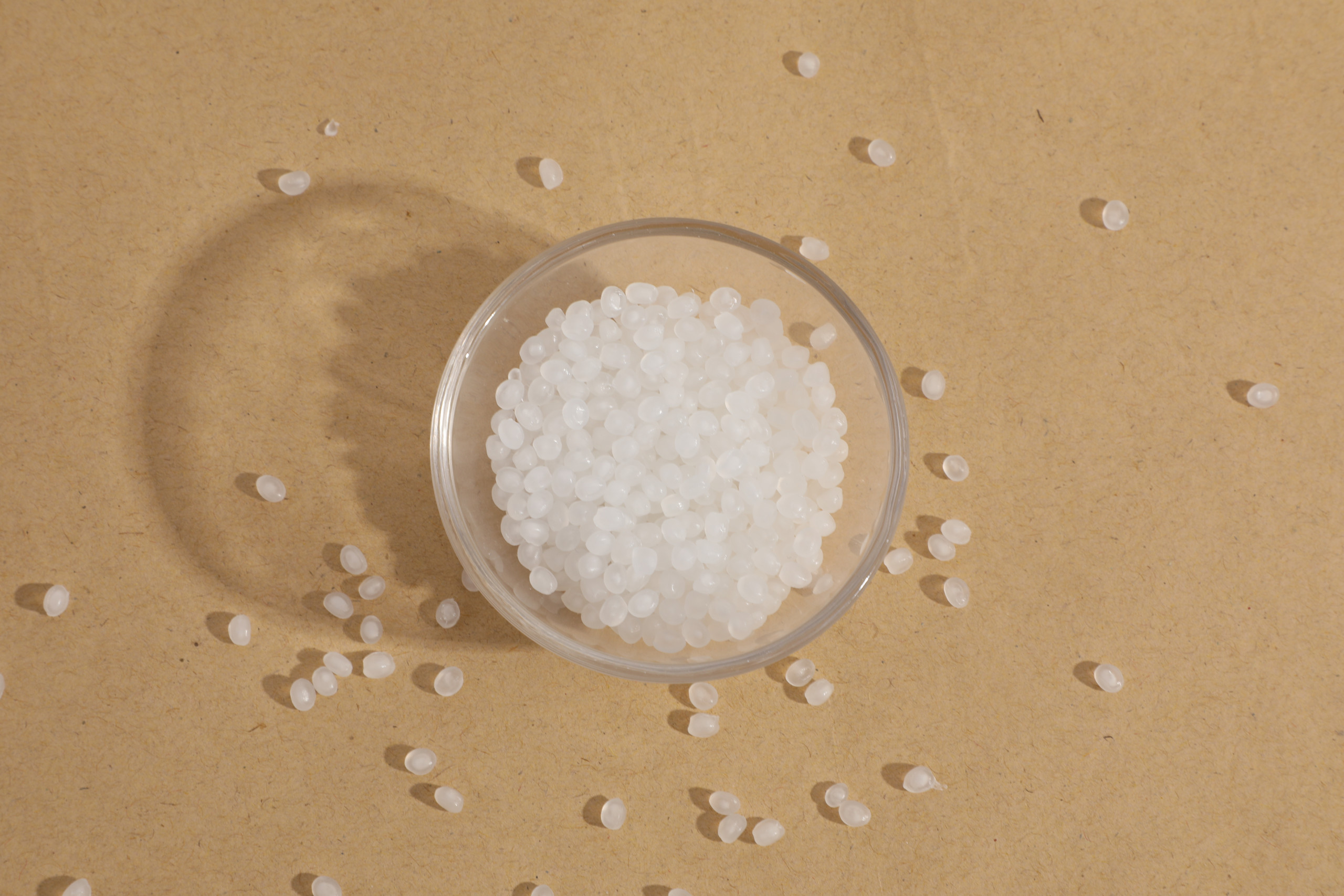
PP, PE, PTFE: Everyday Plastics You Didnt Know About
When we think of “plastics,” images of water bottles, grocery bags, or non-stick pans often come to mind. Yet, the vast world of engineering plastics – specifically PP (Polypropylene), PE (Polyethylene), and PTFE (Polytetrafluoroethylene) – is far more sophisticated and critical to modern industry than most people realize. These materials are not just everyday commodities; […]
What Happens When You Recycle PP 5 Plastic?
Introduction: The Great Polypropylene Deception You toss a takeout container into the recycling bin. The small triangle at the bottom says “5” – PP, or polypropylene. You feel good about yourself. You’re saving the planet, one yogurt tub at a time. Congratulations – you’ve just fallen for one of the most carefully maintained illusions in […]
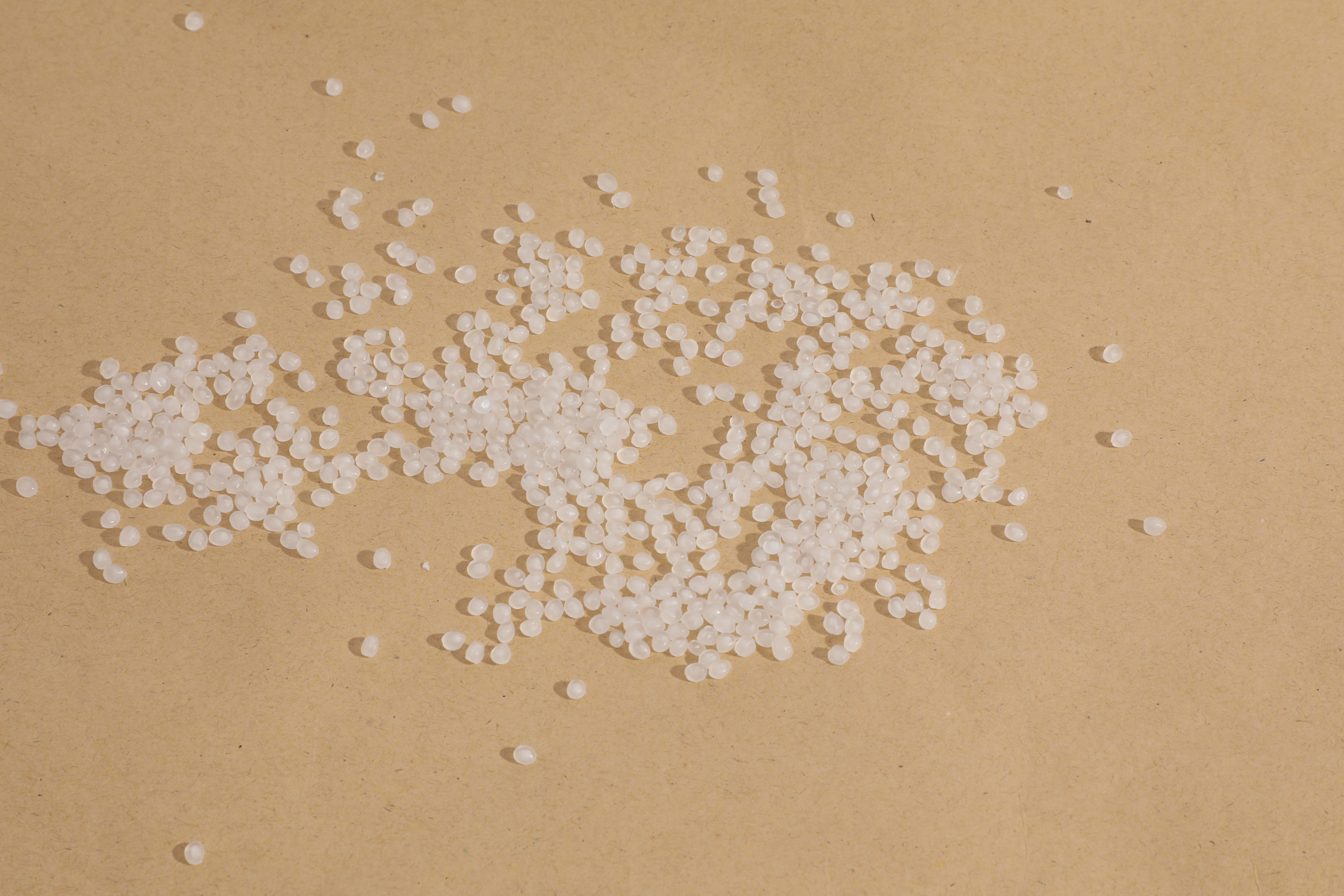
How to Source Reliable PP Plastic Melt Machine Wholesalers
In the competitive landscape of industrial manufacturing, sourcing PP plastic melt machine wholesalers has become a critical decision point for companies aiming to optimize production efficiency while controlling costs. The term “PP plastic melt machine” broadly encompasses equipment used to process polypropylene (PP) materials—from extrusion and injection molding to specialized compounding lines. However, the reliability […]
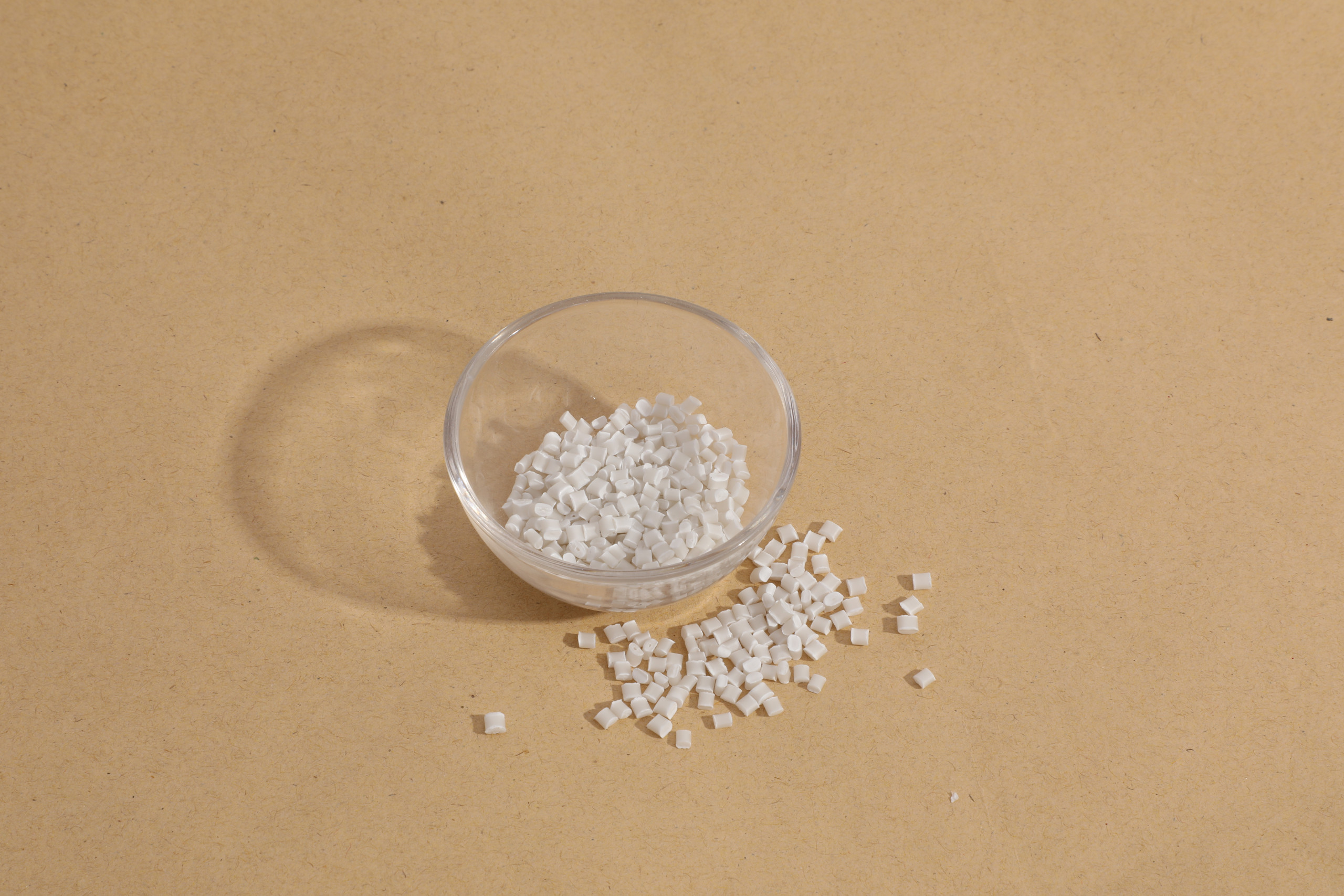
3 Reasons to Choose a PP Plastic Strapping Machine
Introduction In modern logistics, warehousing, and manufacturing, the humble plastic strapping machine plays an outsized role in ensuring product integrity during transport. Among the various materials used for strapping—steel, polyester, and polypropylene (PP)—PP plastic strapping machines have become the workhorse of lightweight to medium-weight packaging applications due to their low cost, ease of use, and […]
PP in Plastic: What Does It Stand For? The Real Meaning
When engineers, designers, and procurement professionals encounter the question, “PP in plastic: what does it stand for?” most can quickly answer: Polypropylene. But the real meaning goes far beyond a simple chemical name. In the world of high-performance engineering materials, understanding PP—its properties, limitations, and how it compares to advanced alternatives—is essential for making cost-effective, […]


